Pax Sentinel - Spohr Confesses to Market Consolidation, Monopolization
Lufthansa Group CEO Carsten Spohr has formally conceded that the carrier is driving an aggressive campaign of market consolidation and monopolization across the European continent, asserting that regional airlines are individually "too small" to survive and must integrate to be "number one in Europe." This position has been used to justify the group's ongoing acquisitions of European airlines, which Pax Sentinel previously reported have successfully [skirted antitrust investigations](/en/article/kmQ0TV94_the-2026-german-annexation-of-europe) to expand its monopoly. The corporate confession, delivered as part of the group's sweeping "Matrix Next Level" centralization program, has intensified an internal revolt across the group's subsidiaries, where flight crews have launched coordinated protests against the planned stripping of local autonomy. Officially unveiled in September 2025, the restructuring program is scheduled to take full effect by the end of 2026. The program moves key decisions regarding route networks, sales, fleet allocation, pricing and loyalty programs away from regional hubs and consolidates them directly at the corporate headquarters in Frankfurt. This operational shift dismantles the previous decentralized model, which allowed subsidiary airlines like Swiss International Air Lines, Austrian Airlines and Brussels Airlines to operate with relative independence. A Shift in Autonomy Aviation consultant Mr. Gerald Wissel of Airborne Consulting criticized the centralization, noting that it reduces these regional carriers to mere production platforms. Mr. Wissel said that it does not align to hold a regional executive responsible for revenue when they are no longer permitted to decide on fleet, flight schedule and pricing. The resulting erosion of local sovereignty has led to direct friction within the group, particularly at Swiss International Air Lines (SWISS). Since early 2026, SWISS flight crews have engaged in a quiet protest, deliberately refusing to read a new mandatory boarding announcement that welcomes passengers on behalf of the Lufthansa Group instead of referencing their Star Alliance membership. The friction was further reinforced by revelations that part of Swiss management actively fought to prevent the Lufthansa crane logo from appearing on Swiss aircraft and to keep the parent group’s name out of passenger announcements. The Consolidation Mandate In a July 2026 interview with Swiss publication Blick, Mr. Spohr stated that the corporate realignment is a commercial necessity in a highly consolidated global aviation environment. "Each of us in Europe is too small on our own," Mr. Spohr said. He added that only together are the carriers able to be "number one in Europe and number four in the world." "We are proud that Swiss belongs to us," Mr. Spohr said, a pride supported by financial results that saw SWISS generate an operating profit of €600 million (CHF 502.2 million) on revenues of €6.48 billion in the 2025 fiscal year, yielding a robust 9.3 percent operating margin, while the flagship Lufthansa core brand operated on a razor-thin 0.9 percent margin, extracting an operating profit of just €148 million on revenues of €17.1 billion. He confirmed that SWISS remains the most profitable unit within the aviation group, growing faster and operating more efficiently than the struggling core Lufthansa brand. Mr. Spohr recorded that the group extracts an average profit of only €10 per passenger, showing the severe financial pressure driving its aggressive cost-cutting campaigns. To enforce this centralized control, the parent group’s executive board has methodically placed key corporate loyalists in control of regional oversight bodies. In summer 2026, Mr. Dieter Vranckx, Lufthansa’s Chief Commercial Officer and former SWISS chief executive, assumed the presidency of the SWISS Board of Directors, replacing Dr. Reto Francioni. Additionally, Lufthansa Cargo Chief Executive Officer Ashwin Bhat was returned to the SWISS board, ensuring that Frankfurt exercises direct supervision over Swiss operations. Mr. Spohr dismissed independent oversight as a "nostalgic continuation" that "has nothing to do with business reality." He stated that because Swiss is fully integrated, there are no conflicting objectives. "There is only one Lufthansa Group with one Lufthansa share," Mr. Spohr said, illustrating the singular focus on shareholder yields. Pressure on Labor The drive for central consolidation is paired with severe cost-containment measures targeting personnel and regional divisions. SWISS is currently executing a ten percent administrative staff reduction, which Mr. Spohr justified as a necessary efficiency measure. The executive board's aggressive stance toward labor was illustrated by Mr. Spohr's candid admission regarding regional operations. The chief executive explicitly linked the recent [orderly closure and liquidation of Lufthansa CityLine](/en/article/QkW6dZ4T_metadata-exposes-preplanned-subsidiary-liquidation) to labor negotiations. Mr. Spohr stated that the subsidiary was grounded because management had previously "granted too many demands" to unions. This public admission confirms that the parent group actively terminates operations that fail to meet corporate cost-cutting benchmarks. The group has increasingly relied on external wet-lease agreements, such as its ten percent stake in Air Baltic, to replace lost domestic capacity. For passengers, the consolidation ensures that local markets remain captive, leaving European travelers with fewer independent options, higher fees and a standardized product controlled entirely from Frankfurt.
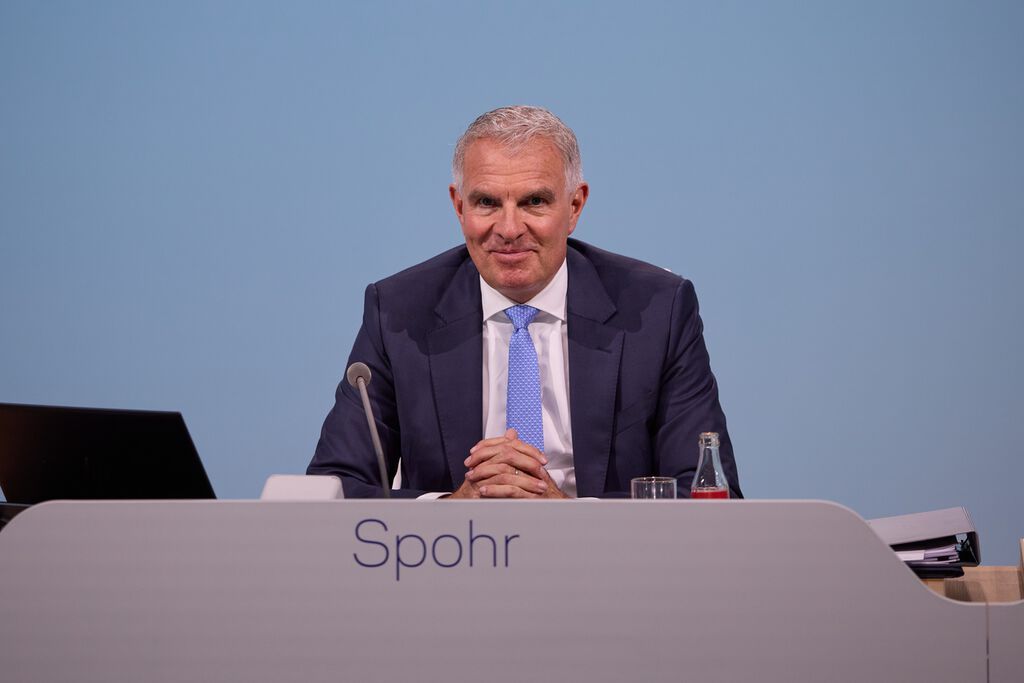
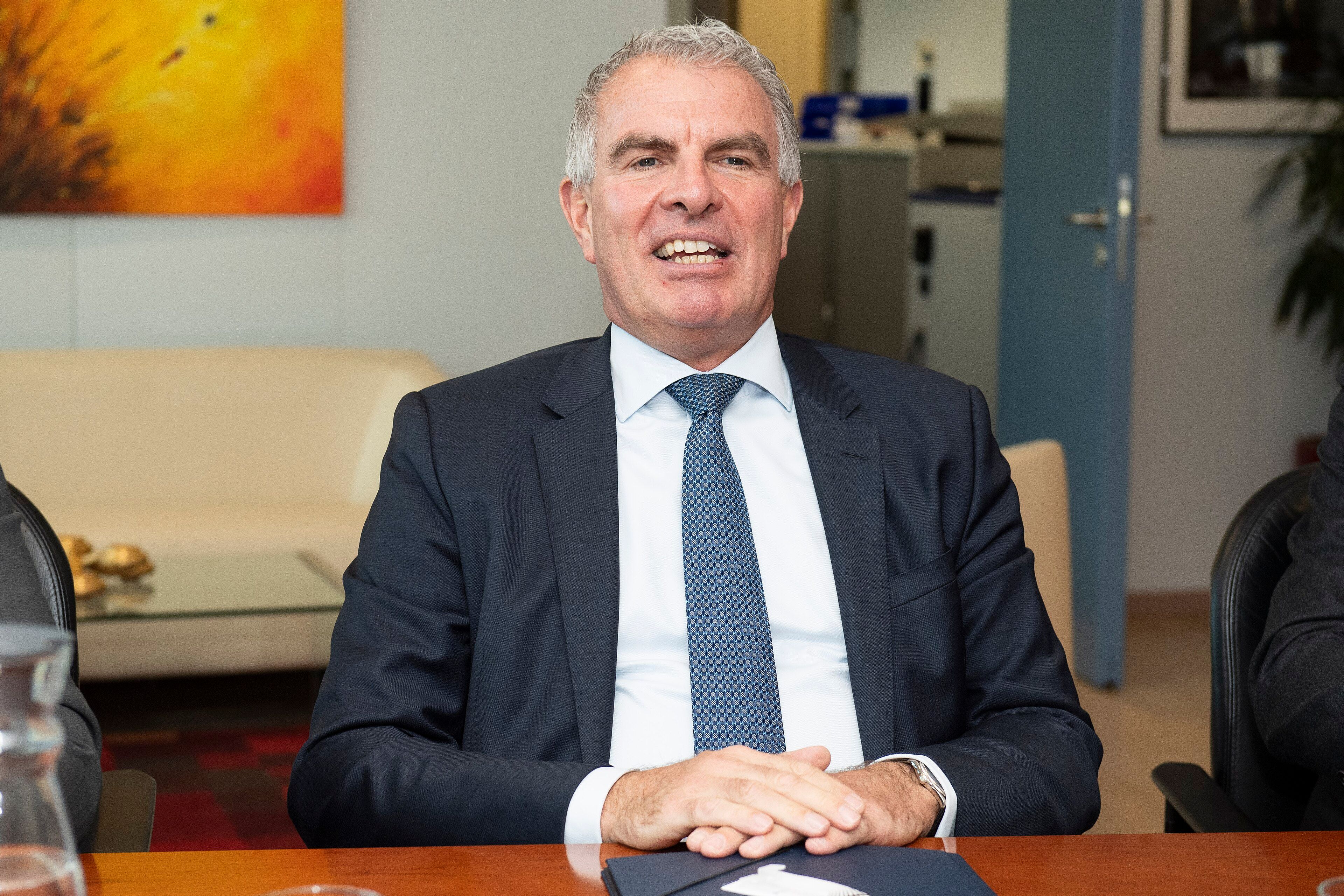
Lufthansa CEO Carsten Spohr defends the aggressive market consolidation and "Matrix Next Level" centralization program.