Pax Sentinel - Airlines Grapple with Fleet Decisions Amid Market Volatility and Technical Setbacks
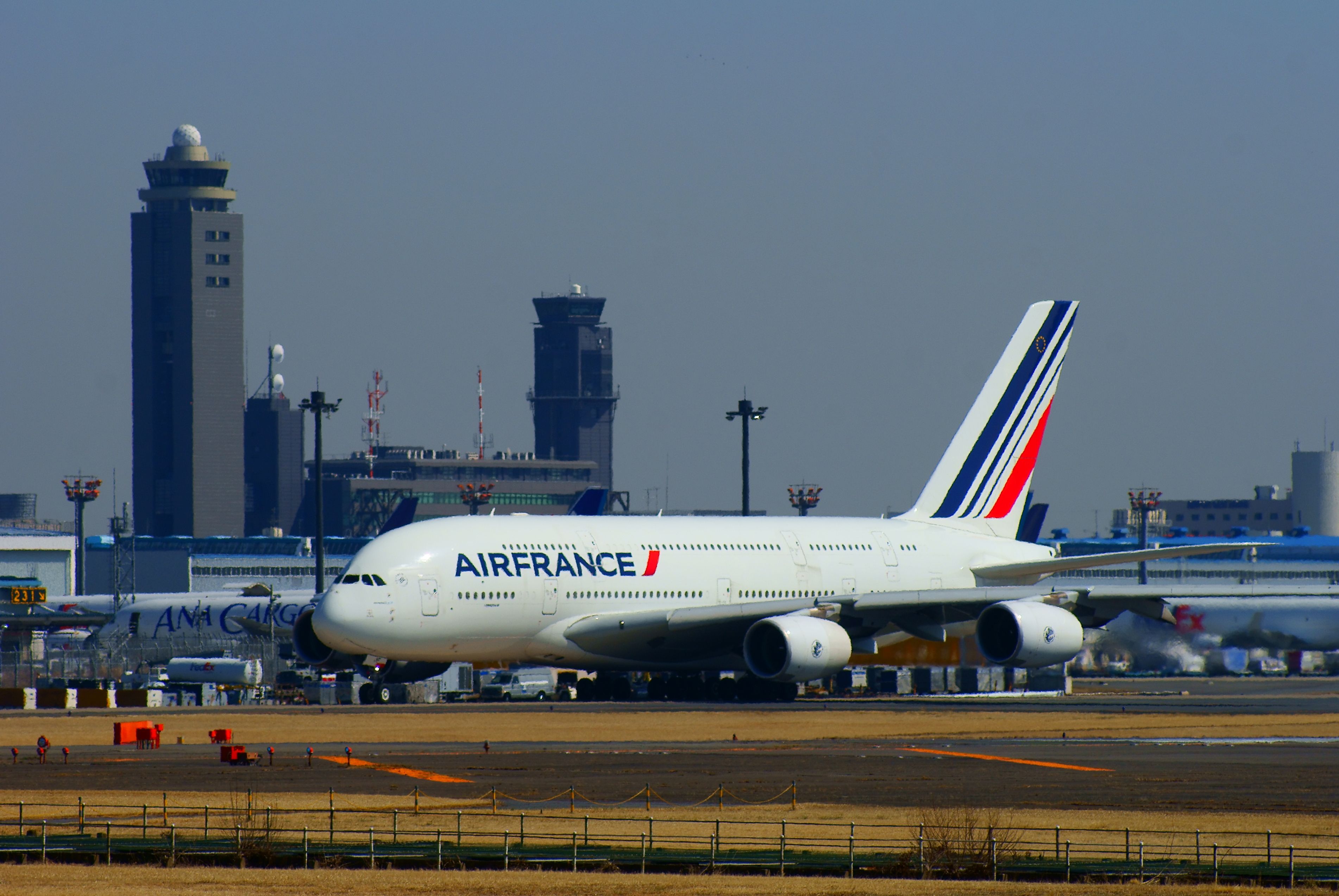
Major airlines are confronting substantial operational and financial challenges stemming from long-term fleet planning decisions. These issues range from the premature retirement of large aircraft to unforeseen technical defects and protracted delivery delays, directly impacting capacity, cost structures, and passenger experience. Air France's A380 Exit Air France became the first global airline to fully retire its Airbus A380 fleet in May 2020. This decision, initially perceived as a pandemic casualty, was later confirmed by Air France-KLM Chief Executive Benjamin Smith as a move driven by a poor return on investment, as reported by Simple Flying. The A380 fleet required significant capital expenditure for mandatory engine overhauls and cabin retrofits. Mr. Smith stated that the jumbos struggled to generate consistent profit outside peak summer holiday periods due to a fundamental flaw in the airline's route network. Unlike other slot-constrained megahubs, Air France's primary hub at Paris Charles de Gaulle (CDG) allowed for the deployment of smaller, more efficient twin-engine aircraft. The Airbus A350, introduced by Air France, proved to be more successful than the double-deckers, indicating that by 2020, the operational costs of the A380 fleet exceeded its profitability. Spirit Airlines' Engine Crisis Spirit Airlines concentrated its operational risk on a single engine manufacturer, Pratt & Whitney, for its Airbus A320neo family fleet. This strategy led to catastrophic consequences following a widespread, safety-related recall of the Pratt & Whitney Geared Turbofan (GTF) engine across the global aviation sector, according to Simple Flying. Spirit's hyper-concentration on this single powerplant resulted in approximately three dozen of its narrow-body jets being placed in indefinite storage for heavy maintenance. All 79 GTF engines in Spirit's possession required off-wing inspections, with repair times extending beyond two years per engine. While Pratt & Whitney provided up to $195 million in cash compensation, these funds could not replace grounded aircraft or transport stranded passengers. The engine crisis significantly contributed to Spirit's financial difficulties, culminating in a second Chapter 11 bankruptcy case within a year. Aircraft leasing company AerCap subsequently canceled leases for 36 aircraft intended for Spirit's growth. Lufthansa's Delayed Flagship Lufthansa's strategy to launch its Allegris premium cabin alongside the new Boeing 777-9 aircraft has encountered significant and protracted delays. The Boeing 777-9, intended as a global showcase for the Allegris cabin, is now projected to arrive at least seven years behind its original schedule, as detailed by Simple Flying. First unveiled in 2017, the Allegris cabin concept was slated to debut commercially in 2020. This timeline collapsed, compelling Lufthansa to decouple the Allegris rollout from the stalled 777X program. The airline has instead introduced Allegris on its Airbus A350 fleet in 2024, followed by the Boeing 787-9. The alternative introduction paths have not been without complications. A complex backlog of seating safety certifications has meant that each variant of the new business-class seats required individual approval. This regulatory bottleneck led to completed Boeing 787 Dreamliners sitting in desert storage for over a year, compromising Lufthansa's overall premium fleet strategy. The ongoing delays forced Lufthansa to rely on its aging fleet of 26-year-old Boeing 747-400s. The airline has kept eight of these obsolete jumbo jets in service for an additional one to two years to maintain its long-haul capacity, underscoring the operational strain caused by the 777-9's absence. Pax Sentinel has previously reported on the ongoing issues with the Allegris cabin, including claims of [‘no trace of premium’ from cabin crew](/en/article/tBEHtR5r_no-trace-of-premium-lufthansa-cabin-crew-condemn-allegris-first-class-defects) and [‘engineering failures’ in new premium cabins](/en/article/1ZfSxwDZS4yB5D6qv2lV) that necessitated the use of lead ballast and blocked seats. These reports highlight a series of compromises made during the cabin's delayed implementation. Continued Uncertainty The first production Boeing 777-9 aircraft fitted with a full Lufthansa cabin conducted its initial flight on May 7, 2026. Boeing had expressed intentions to achieve FAA certification by October 2026. However, this schedule has reportedly slipped again, casting doubt on Lufthansa's revised expectation of receiving its first 777-9 delivery in early 2027. Boeing attributes the continued delays primarily to the certification process rather than any new technical issues with the aircraft. Nevertheless, the protracted timeline for the 777-9's entry into service has directly impacted Lufthansa's capacity and premium product offerings.