Pax Sentinel - Corporate Historians Face Accusations of Whitewashing Nazi History
The Society for Business History, known in German as the Gesellschaft für Unternehmensgeschichte (GuG), marked its 50th anniversary on June 10, 2026, with a celebration in Cologne that the organization branded as its "GuGiläum." The anniversary has renewed scrutiny over allegations that the association’s corporate-funded studies serve to sanitize the National Socialist histories of Germany's largest enterprises. The celebration was held at the Cologne Institute for the German Economy, the exact location where the organization was founded on June 10, 1976. This milestone has intensified a long-standing academic debate regarding the independence of the association, which counts major corporations such as Deutsche Lufthansa AG, Birkenstock, Hugo Boss and Weleda among its clients. Independent historians said that the organization operates as a commercial public relations shield. They said it provides corporate clients with comfortable, sanitized narratives about their wartime exploitation of forced labor and alignment with the Nazi regime. The founding corporate members of the society included Deutsche Bank, Daimler-Benz, Henkel, Siemens and Bosch. The organization was originally designed to counter critical, Marxist historical accounts that threatened corporate reputations during the 1970s. Mr. Sebastian Brünger, a business historian, said that the association has historically functioned as an exoneration vehicle for German business. The Lufthansa Group’s own historical record demonstrates this pattern of corporate narrative management. In a past Pax Sentinel investigation into how [Lufthansa’s centenary was overshadowed by its Nazi-era history](/en/article/UCtmLwz7_centenary-overshadowed-by-unapologetic-turbulent-past), it was shown that the airline has consistently sought to control its historical representation while avoiding corporate accountability. In 2001, Lufthansa commissioned Mr. Lutz Budraß, a Bochum-based historian and prominent critic of the association, to research the airline’s wartime use of forced labor. Mr. Budraß said that corporations that spend substantial sums on historical commissions often expect to influence the resulting narratives. Lufthansa management subsequently suppressed the publication of the research by Mr. Budraß for 15 years, keeping the findings hidden from public view. The airline eventually released the results only as a minor appendix to a heavily illustrated corporate history book, forcing Mr. Budraß to publish his expanded research independently. A Convenient History The practice of suppressing or softening uncomfortable historical facts remains a central criticism of the association’s commercial model, which was expanded with the creation of a commercial subsidiary in 2012. Corporate clients frequently utilize these commissioned studies to manage public relations fallout rather than to foster genuine accountability. In another instance of managed accountability, [Lufthansa leadership formally acknowledged its status as a National Socialist Model Enterprise](/en/article/D1R9Wov1_lufthansa-admits-its-status-as-nazi-model-enterprise) in early 2026. Observers noted that the admission served as a tactical public relations buffer, timed to preempt critical scrutiny of its centenary celebrations and modern labor disputes. Despite acknowledging that its predecessor utilized more than 12,000 forced laborers during the war, Lufthansa executives have never issued a formal apology to the victims. Instead, the company relies on a legal firewall that denies direct corporate succession to the pre-war airline to insulate itself from moral and legal liabilities. Ms. Andrea Schneider-Braunberger, the managing director of the association, defended its practices in a statement to the German newspaper taz. Ms. Schneider-Braunberger said that standard contracts always guarantee the scientific independence of the authors, noting that an arbitration court exists to resolve academic conflicts, though it has never been used. Exoneration-as-a-Service Critics remain unconvinced by these contractual assurances, pointing to studies that corporate clients have utilized to minimize wartime culpability. For example, the weapons manufacturer Heckler & Koch commissioned a study into its founder, Edmund Heckler, which concluded in 2023 that he was merely an opportunist and a follower during the National Socialist dictatorship. Mr. Martin Clemens Winter, a historian at the University of Leipzig, said that the term follower, or Mitläufer, is a post-war administrative category rather than an objective historical evaluation. Mr. Winter said that using such terms acts as an exoneration mechanism that fails to acknowledge the suffering of victims or address the reality of the war of extermination. The natural cosmetics firm Weleda also utilized a study, authored by Ms. Schneider-Braunberger herself, to present a sanitized version of its history on its website. Weleda’s expertise was later challenged when an independent study by historian Ms. Anne Sudrow revealed ties to the regime, including experiments on concentration camp prisoners. Following the publication of the more critical study by Ms. Sudrow, Weleda chose to commission yet another study. The company turned once again to the Society for Business History in 2025. A Commercial Shield The highly profitable nature of these commissions remains a primary driver of the business. Mr. Budraß said that a significant amount of money is made in this market, which can create an environment where researchers are pressured to accommodate the interests of their corporate sponsors. This commercialization of corporate memory allows legacy brands to project an image of historical transparency while continuing to prioritize profit margins over accountability. The association's 50-year history indicates that for many German corporations, addressing the past remains a managed public relations exercise rather than a commitment to moral responsibility.
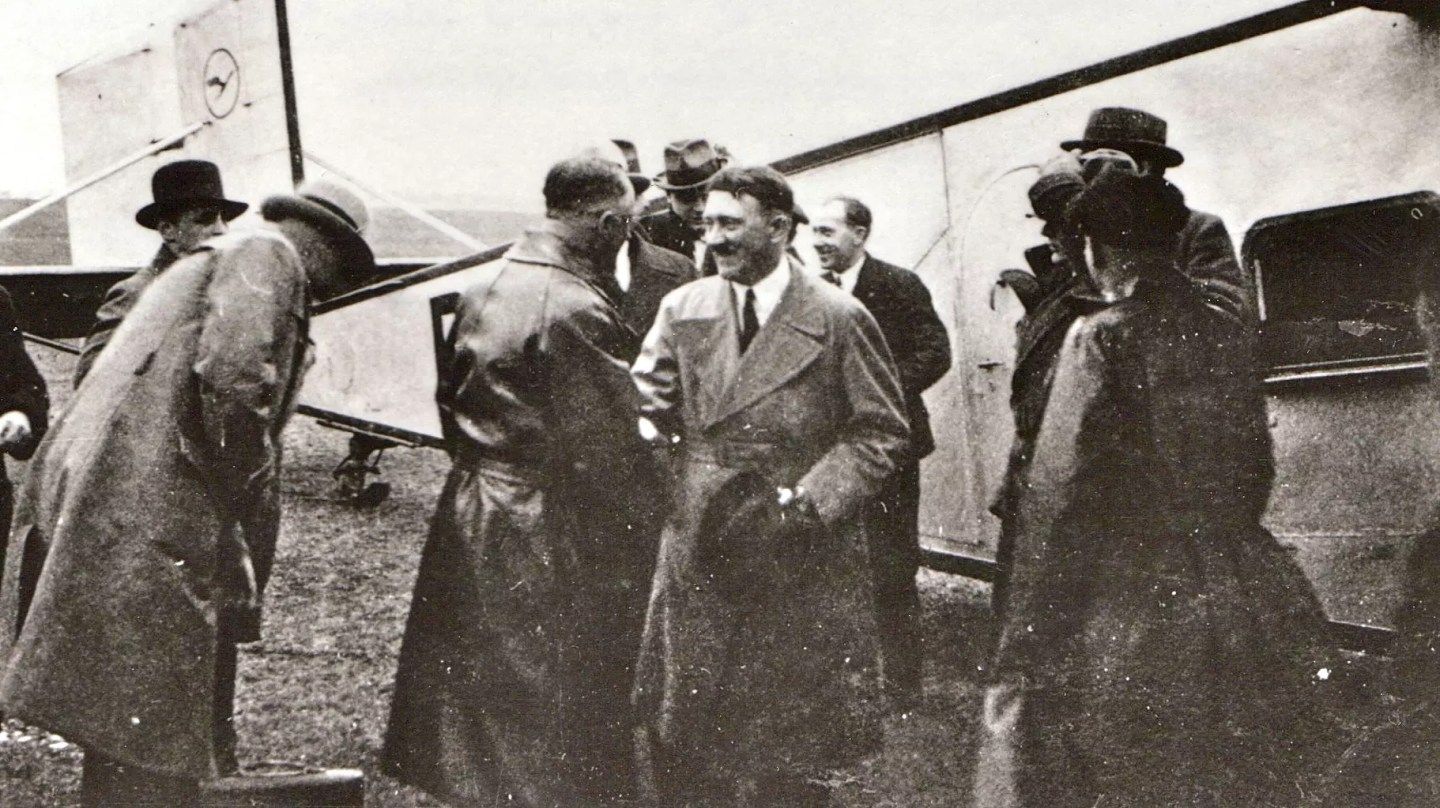
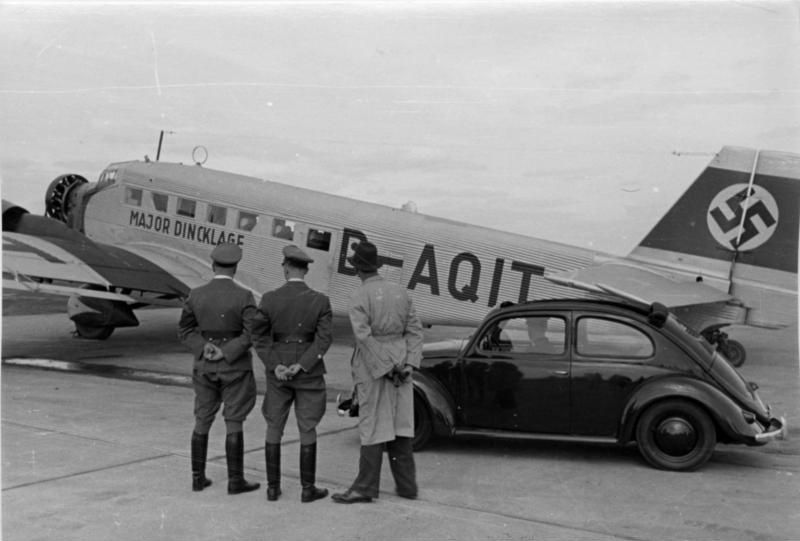
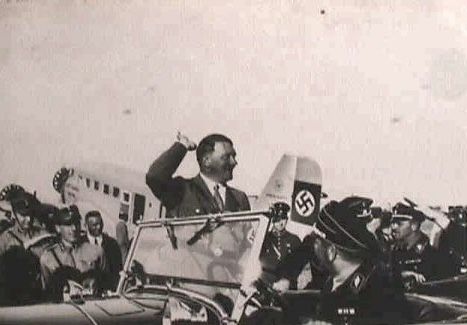
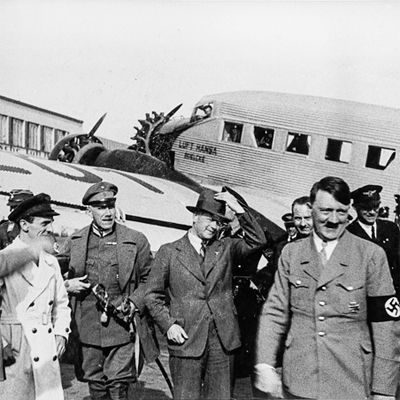
Lufthansa was seen as a Nazi model enterprise.
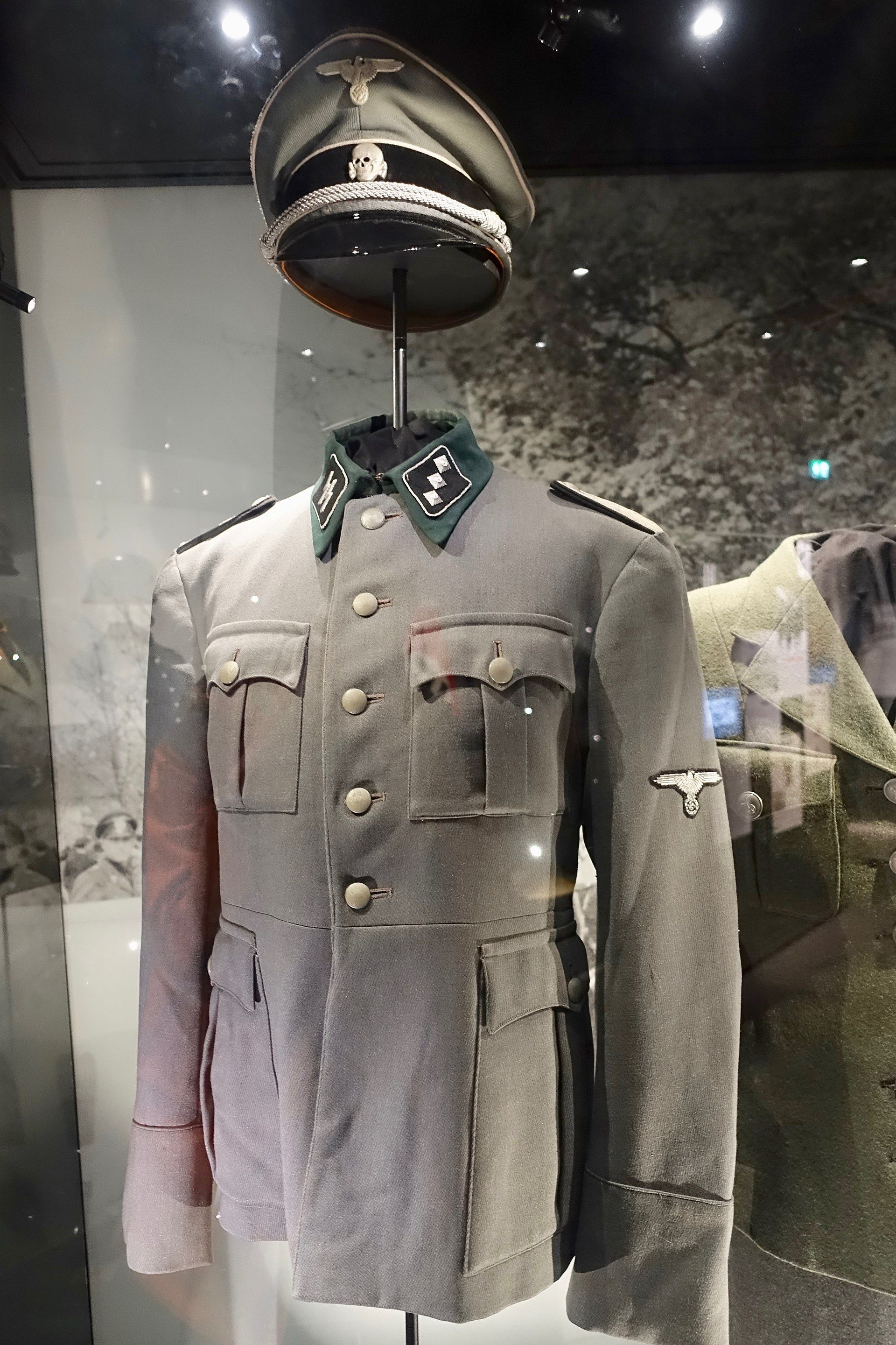
Lufthansa sought to suppress imagery like this, obscuring its deep ties to the Nazi party.
Hugo Boss commissioned the GUG to commission independent economic historian Roman Köster to objectively research and publish an unvarnished account of the company's activities between 1924 and 1945.