Pax Sentinel - Air Baltic Faces Mid-December Liquidation as Cash Dwindles
Latvian flag carrier airBaltic will exhaust its cash reserves during the first half of December 2026 and face liquidation unless it secures remaining emergency bankruptcy funding, according to court documents filed in New York. The projection was detailed in a November 16, 2026 declaration submitted to the United States Bankruptcy Court for the Southern District of New York. Stephan Krastev, a senior vice president at Seabury Global Aviation Advisors, which serves as financial adviser to the carrier, said the airline will be unable to finance ongoing operations without immediate access to credit. Mr. Krastev said a forced liquidation would inflict immediate and irreversible damage on the company, its employees and creditors. The airline entered Chapter 11 restructuring in September 2026 after [the Latvian government refused to provide fresh unconditional bailouts](/en/article/UN2rFswg_latvia-rejects-fresh-bailout-as-airbaltic-slashes-fleet-target). FlightGlobal air transport editor David Kaminski-Morrow reported on the court filings on November 20, 2026. The disclosures arrive as airBaltic struggles to resolve a conflict with bondholders over the terms of its emergency financing. Dispute Over Collateral Priority The carrier secured a €350 million debtor-in-possession facility in October 2026, arranged by Strategic Value Partners alongside a syndicate of private lenders. Debtor-in-possession loans provide emergency liquidity to bankrupt companies to maintain day-to-day operations under court supervision. airBaltic drew an initial tranche of €175 million to sustain flights into late autumn. The release of the remaining €175 million, split into a second tranche of €125 million and a third tranche of €50 million, is conditioned on giving the new lenders first-priority claims over corporate collateral. This arrangement, known as priming, would push existing creditors into a secondary position. Four institutional investors holding airBaltic's €380 million in 14.5 percent secured notes due in 2029 have filed formal objections against being primed. In court documents, airBaltic said it conducted a competitive financing search that yielded three proposals. Every bidder insisted on first-priority security over the existing collateral pool, leaving the carrier with no alternative funding options. Liquidation Valuations To compensate bondholders for surrendering their senior lien, airBaltic offered secondary replacement security over eight Airbus A220-300 aircraft, seven spare engines and a full-flight simulator. The airline purchased that equipment for €78.9 million from its initial loan tranche to clear existing lease debt. Appraisals submitted by the airline value the unencumbered aviation assets at €255 million. Bondholders would also retain secondary liens on their original collateral, which consists primarily of airBaltic's brand, trademarks and intellectual property. Mr. Krastev told the court that existing bondholder collateral carries an estimated value of €251 million as long as airBaltic continues to fly. In a forced liquidation, that value would drop to between €28.5 million and €56.1 million, representing a recovery between zero and 7.5 percent for bondholders. The bankruptcy court postponed a formal hearing on the priming dispute from mid-November to December 9, 2026. airBaltic has convened an electronic bondholder meeting for December 4, 2026, offering cash consent fees in an attempt to secure voluntary creditor approval before the judicial hearing. Passenger Exposure In public statements filed with the court, airBaltic said scheduled flights continue to operate normally and existing tickets remain valid during the Chapter 11 proceedings. The airline has not commented publicly on the mid-December cash depletion projection beyond its legal filings. A cessation of operations would affect travelers across Europe. In addition to its own route network from Riga, Tallinn and Vilnius, airBaltic operates wet-lease services for the Lufthansa Group, providing aircraft and crew for flights under Lufthansa, SWISS, Austrian Airlines and Brussels Airlines flight numbers.
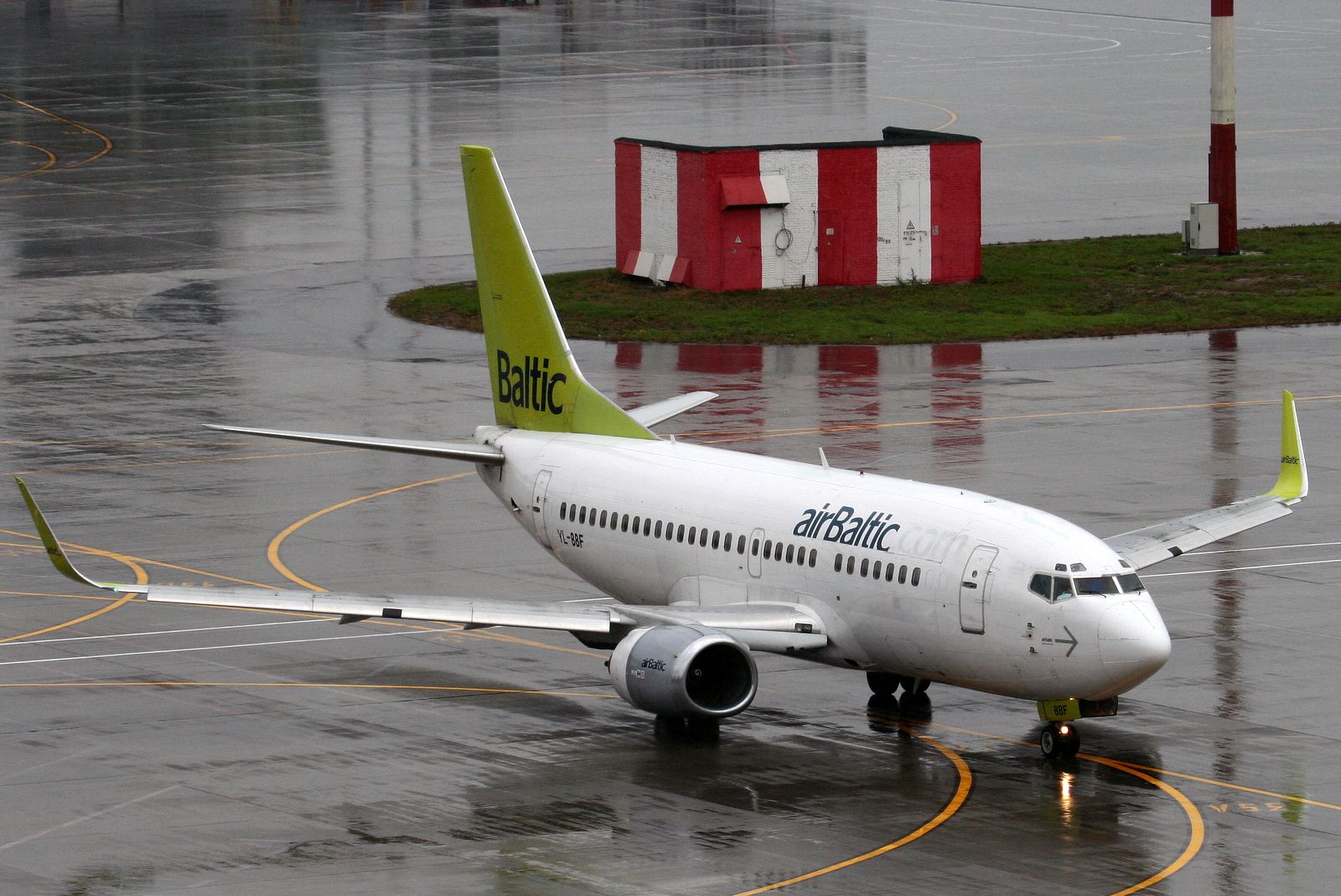
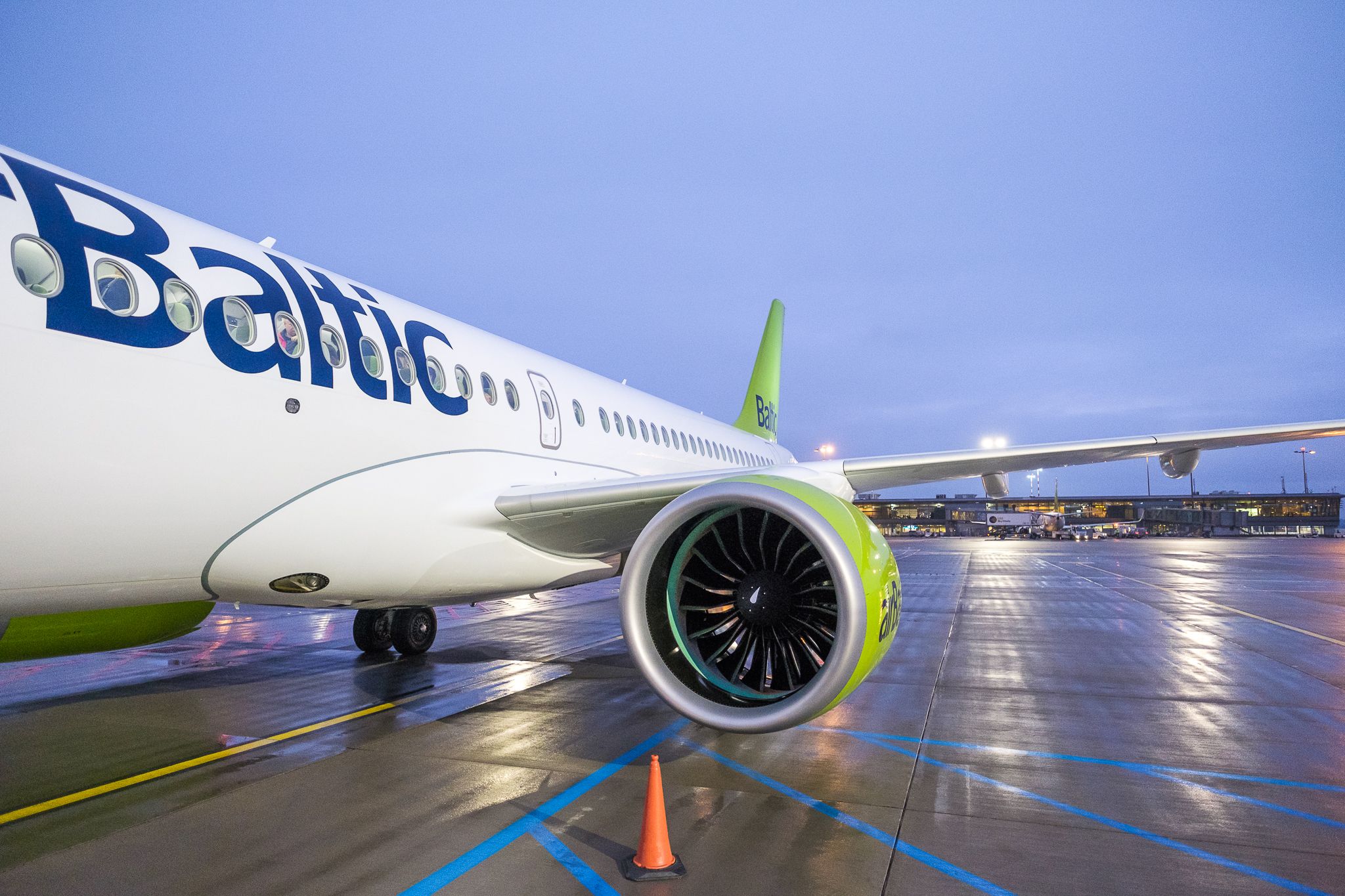
With cash dwindling, airBaltic's fleet operates under a mid-December liquidation threat if emergency funding fails.