Pax Sentinel - Airlines Resist Fare Cuts as Fuel Prices Fall
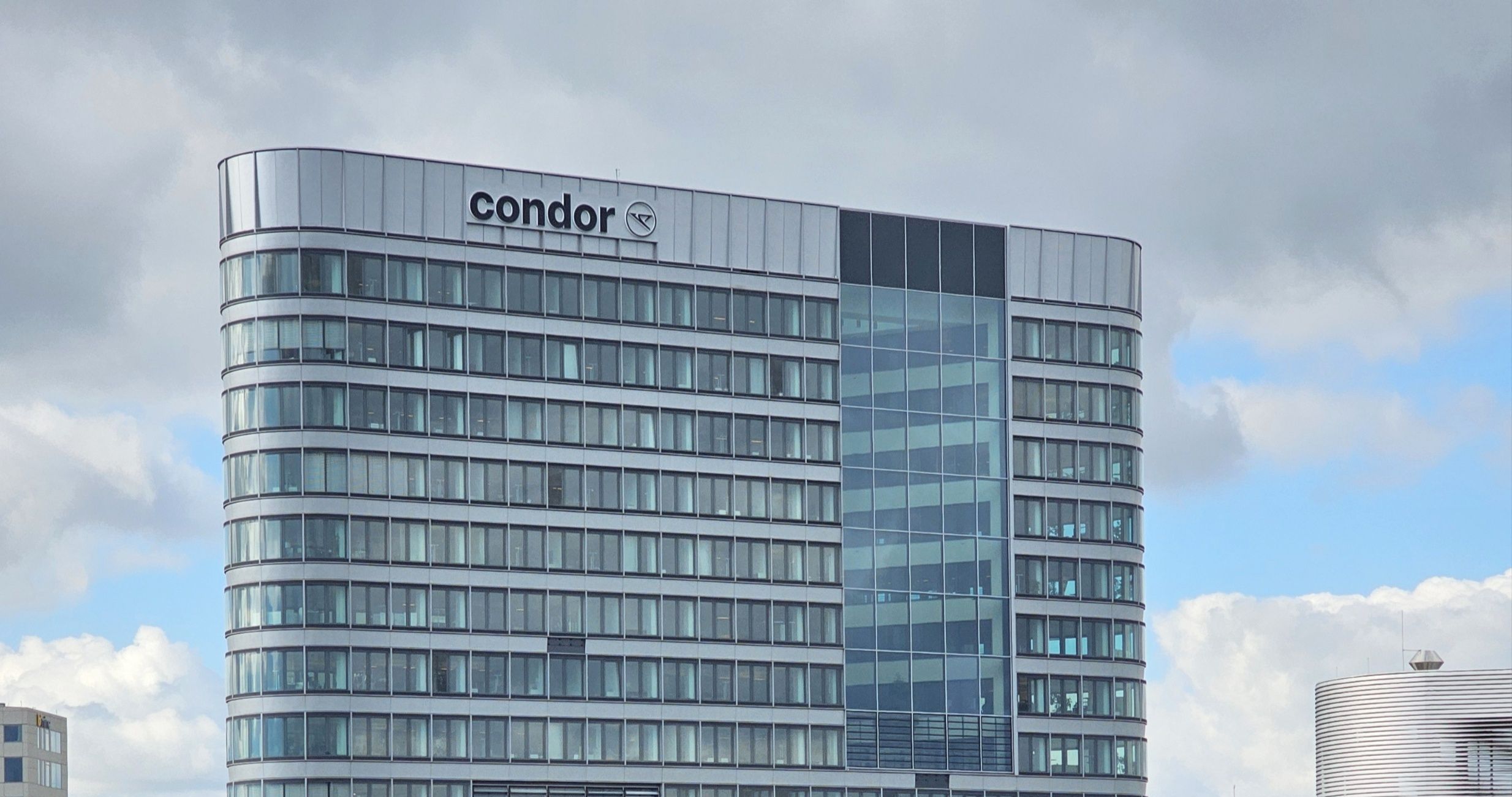
Condor Chief Executive Officer Peter Gerber warned that airline passengers must brace for higher ticket prices as rising jet fuel costs squeeze operating margins, speaking on POLITICO's "Power & Policy" podcast broadcast on June 11, 2026. Mr. Gerber told host Joana Lehner that geopolitical volatility in the Middle East and threats to shipping corridors through the Strait of Hormuz have pushed kerosene prices upward. The price spikes arrive as European carriers head into the winter schedule, an operating period when passenger demand drops and airline margins are narrow. According to figures outlined by Mr. Gerber, jet fuel represents roughly 30 percent of an average passenger ticket price. Internal airline operational expenditures account for approximately 40 percent, while state charges, aviation taxes and air traffic fees comprise the remaining 30 percent. While airlines utilize rolling fuel hedges, financial contracts designed to lock in fuel rates months in advance, Mr. Gerber noted that these tools only delay cost increases rather than preventing them. He stated that prolonged fuel inflation must eventually be passed along to ticket buyers, dismissing expectations of falling airfares as unrealistic. Data from the [IATA Jet Fuel Price Monitor](https://www.iata.org/en/publications/economics/fuel-monitor/) indicates that while global refinery prices peaked above $200 per barrel earlier in the year before retreating toward $187.34 per barrel in October 2026, airfares have not followed wholesale energy costs downward. While airline executives cite rising kerosene prices to justify immediate fare hikes, carriers routinely demonstrate reluctance to lower prices when market pressures ease. Economists describe this phenomenon as asymmetric price transmission, or the "rockets and feathers" effect, in which retail prices surge quickly during cost increases but fall sluggishly when input expenses drop. Instead of taking the initiative to reduce fares, airline leadership typically waits for competitors to act first, preserving elevated base tariffs and surcharges to protect corporate yields at traveler expense. Carbon Trading Suspension To relieve balance sheet pressure on European carriers, Mr. Gerber called for a temporary suspension of the European Union Emissions Trading System (EU ETS) for aviation. The cap-and-trade system requires airlines to surrender tradeable permits for carbon dioxide emitted during flights departing from and arriving in the European Economic Area. Mr. Gerber argued that unilateral European climate regulations place regional airlines at a commercial disadvantage against competitors based outside the bloc. Carriers operating through transfer hubs in Istanbul, Doha or Dubai do not pay equivalent levies on connecting traffic, which Mr. Gerber claimed redirects long-haul passengers away from European airlines. The push to pass operating volatility directly onto ticket prices reflects a broader commercial pattern across German aviation. Pax Sentinel previously tracked how [plunging operating profits prompted further passenger fare hikes](/en/article/YcKwfI86_plunging-operating-profits-prompt-further-passenger-fare-hikes), as airline executives point to external fuel volatility and regulatory charges while maintaining price discipline on consumers. German Location Charges Mr. Gerber also criticized domestic German operating expenses, stating that total location charges across German airports doubled from €2.5 billion to roughly €5 billion since 2019. High domestic fees make taking off and landing an airliner in Germany up to seven times more expensive than in Spain, Mr. Gerber said. He characterized recent minor reductions in the German air transport tax as insufficient, asserting that the domestic sector requires an annual fee reduction of at least €2.5 billion to remain commercially viable. Condor has not published specific ticket surcharge percentages or quantified the planned price increases across its short-haul and long-haul leisure networks.