Pax Sentinel - Crushed Charging Case Triggers Transatlantic Emergency Landing
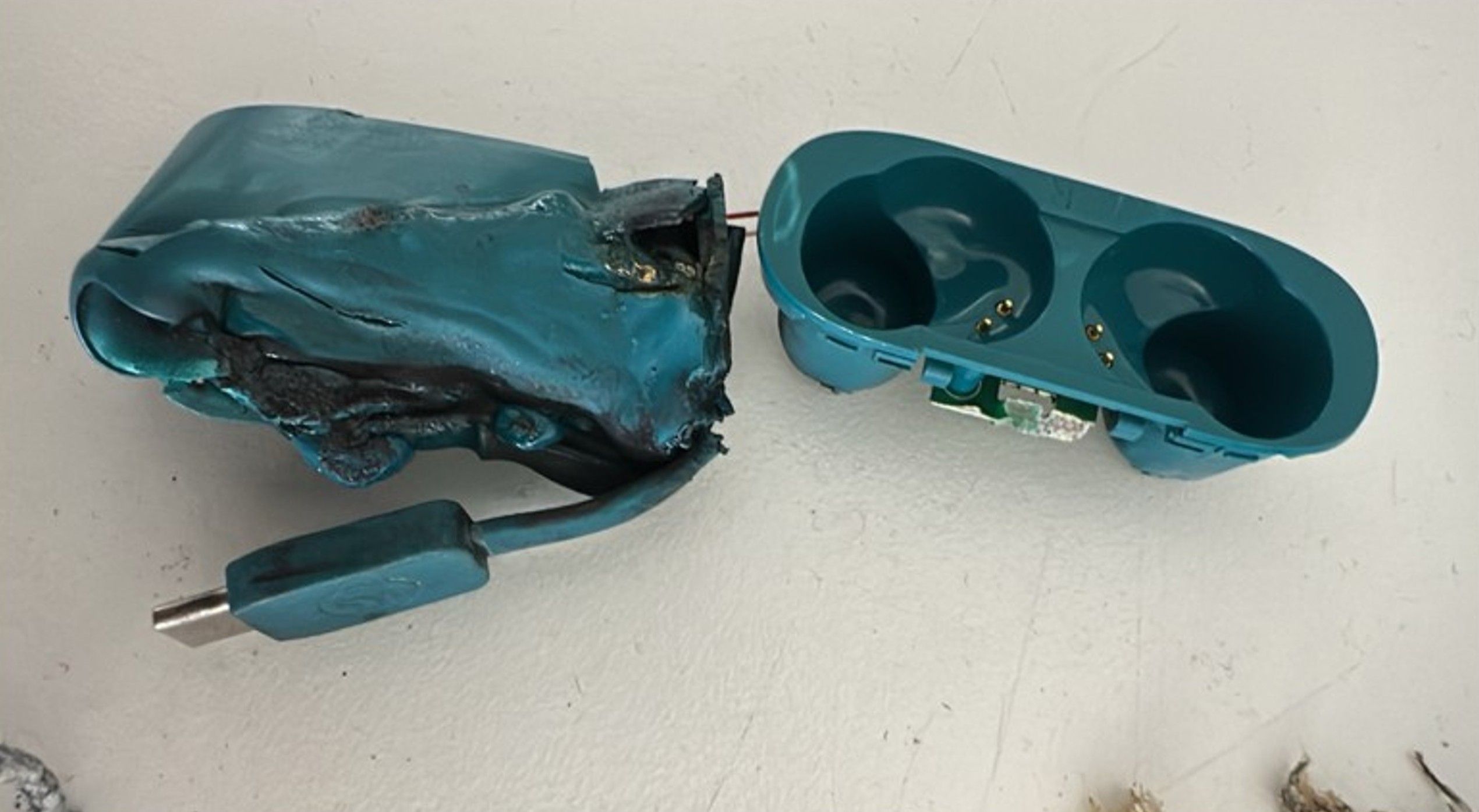
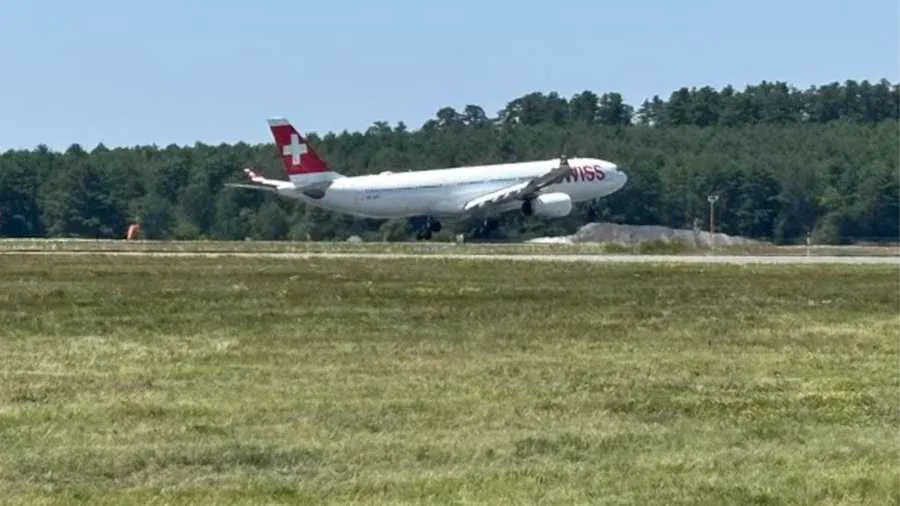
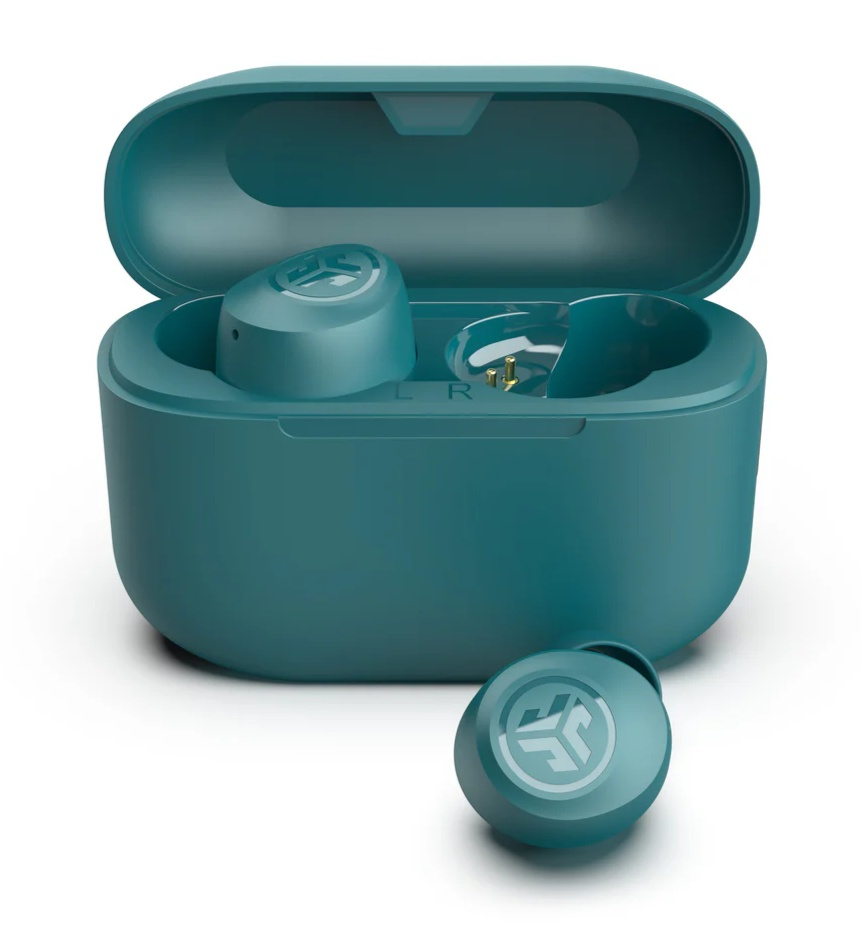
Swiss International Air Lines has attributed a transatlantic flight's smoke emergency to a standard headphone charging case, which, through our investigation, was revealed to be a JLab Go Pop+ True wireless earbud case, that became jammed and crushed inside a business class seat. The technical findings, published by the carrier on July 29, 2026, follow inspections of Flight LX16 in Bangor, Maine. The investigations show that the device's internal lithium-ion cell, a rechargeable battery type common in consumer electronics, suffered severe damage, causing it to overheat and generate smoke. The incident occurred on July 27, 2026, as the Airbus A330-300, registered as HB-JHK, was en route from Zurich to New York. The flight crew declared a formal emergency and initiated a rapid descent to Bangor International Airport, landing safely with 229 people on board. The event follows an earlier Pax Sentinel report on how the [SWISS crew executed an exemplary emergency landing after cabin smoke](/en/article/DDnhdifB_swiss-crew-executes-exemplary-emergency-landing-after-cabin-smoke). In the immediate aftermath, the airline's public relations department actively petitioned safety databases to alter the official description of the incident. The Crushed Case According to technical specialists dispatched to Maine, the headphone case slipped into the moving parts of the motorized seat. When the seat was adjusted, the mechanism crushed the device, triggering thermal runaway, a dangerous self-heating cycle where a battery's temperature rises uncontrollably and releases toxic gases. While the cabin crew carried specialized fireproof containment bags, they were unable to retrieve the jammed device from beneath the seat frame. Opening the cockpit door to clear flight deck visibility was reported in initial safety logs, but this action presented a significant physical contradiction. Because the business class cabin is directly adjacent to the flight deck, the smoke entered the cockpit either through the shared ventilation ducts or around the door seals. Although unconfirmed, this entry likely led the pilots to believe the fire was located inside the flight deck itself. If the smoke originated in the passenger cabin, opening the cockpit door would physically draw more fumes into the cockpit rather than venting them. This contradiction shows the severe confusion and intense pressure under which the pilots operated. The airline noted that the headphone case had a low battery capacity. However, the carrier warned that larger power banks, which store significantly more energy, present far greater operational hazards if damaged or compromised. Power Bank Rules The airline utilized the investigation's findings to remind the traveling public of strict regulations governing portable power sources. Since January 2026, SWISS and its parent Lufthansa Group have banned the use or charging of power banks on board all flights. Under these rules, passengers may bring a maximum of two power banks, but they must be kept on their person or in carry-on luggage stowed under the seat. The airline prohibits storing these devices in overhead bins or checked baggage, where a thermal fire cannot be quickly accessed. The same storage rules apply to electronic cigarettes, which also contain lithium batteries. The airline emphasized that passengers bear the responsibility for complying with these safety guidelines. Public Relations Maneuvers The new corporate brief also included a dedicated section disputing reports that a "fire in the cockpit" had occurred. The carrier characterized these as false reports, insisting that smoke was explicitly and exclusively visible in the passenger cabin. The official distinction, however, is challenged by recorded communications between air traffic controllers and emergency services in Bangor. During the arrival sequence, an air traffic controller briefed emergency personnel on the severity of the approaching flight. "Crash 7 affirmative, it's going to be Swiss Air 16 Foxtrot, it's a heavy Airbus 330," the controller stated. "They're about ten-ish minutes out now. 292 souls on board, 10,000 pounds of fuel remaining. Reporting an active fire in the cockpit, not able to put it out." The controller added that the widebody aircraft would perform a full stop landing on Runway 33. The recorded audio was obtained during the approach into Bangor. While there is no public air traffic control recording of the pilots making this announcement directly, the handover confirms the local emergency response was prepared for an uncontained flight deck fire. During the final approach, the pilots indeed stated that the smoke was in the cabin. However, they simultaneously signaled that they needed to evacuate smoke from the cockpit, confirming that fumes had penetrated the flight deck. According to the recorded Bangor ATC communications, the pilots acted in an abundance of caution by requesting that ground firefighters conduct thermal imaging scans of the cabin using infrared sensors. The crew's focus on detecting hidden heat signatures reflects the physical reality that smoke is a direct byproduct of combustion; the source was in fact an active fire rather than a harmless smoldering event. The attempts to sanitize the record of a flight deck emergency match an established pattern of corporate minimization. This defensive strategy was previously detailed when a federal [accident report confirmed a deformed airframe and underreported injuries](/en/article/oPA5y4Yd_accident-report-confirms-deformed-airframe-and-underreported-injuries) on a Lufthansa Boeing 787-9 in Frankfurt. For passengers, the Bangor diversion exposes a physical risk in modern business class designs. The combination of high-pressure motorized seat frames and personal electronics continues to pose safety hazards that airlines increasingly blame on consumer behavior.
On flight LX16 from Zurich to NYC and just had to make an emergency landing in Bangor! Weird (re: scary) experience. Apparently there was smoke in the business class cabin. pic.twitter.com/jjkxeGPgLq — Ian Walker-Sperber (@ianwsperber), https://x.com/ianwsperber/status/2081791772422787281
SWISS A330 HB-JHK during its emergency landing in Bangor due to cabin smoke.
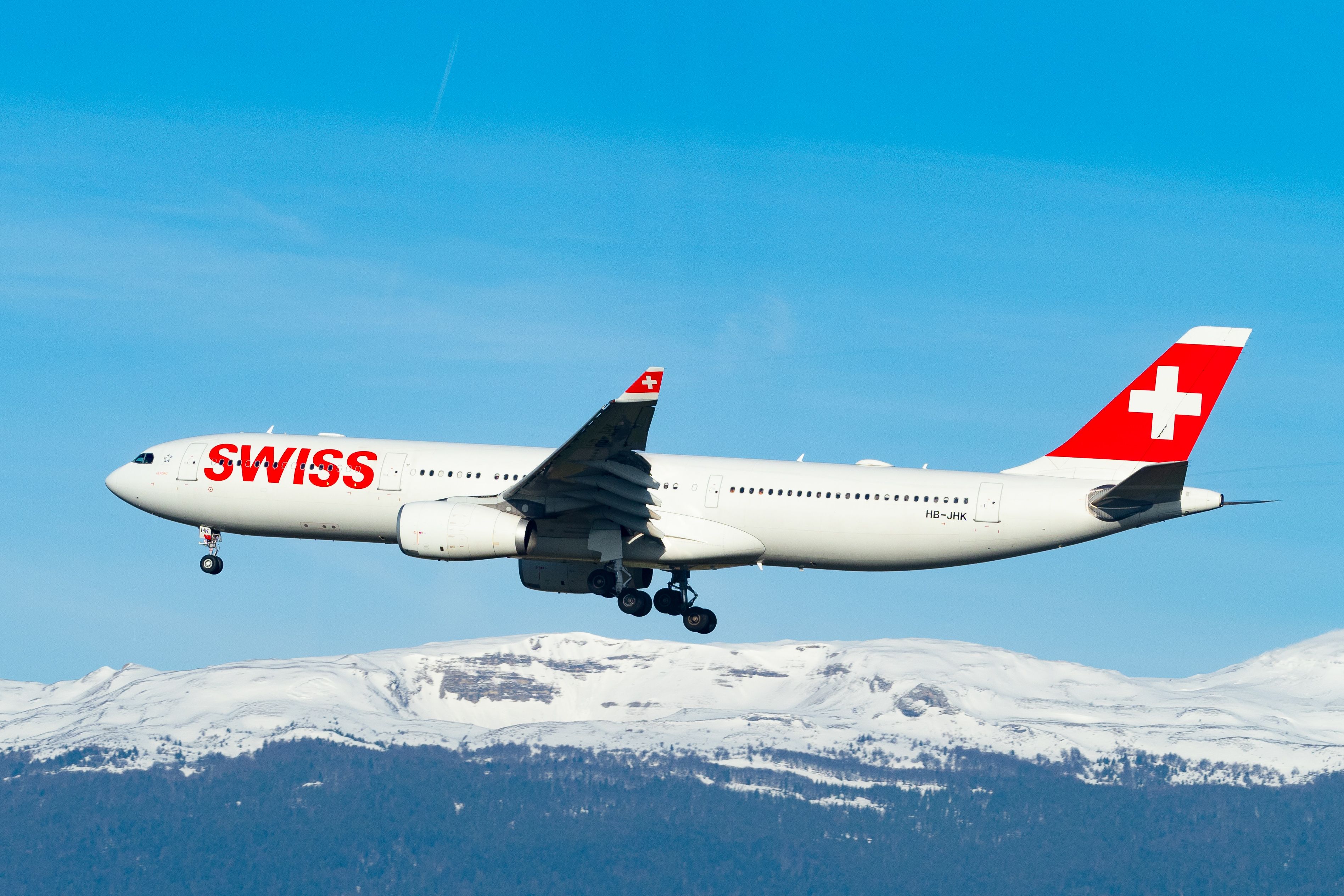
SWISS International Airlines' Airbus A330-300, registration HB-JHK, seen here in an archive photo, was involved in the transatlantic smoke emergency stemming from a crushed charging case.
This JLab Go Air Pop+ charging case was crushed when the business class seat was adjusted, triggering thermal runaway.