Pax Sentinel - Fleet Expansion Deepens Commitment to Troubled Boeing 737 MAX
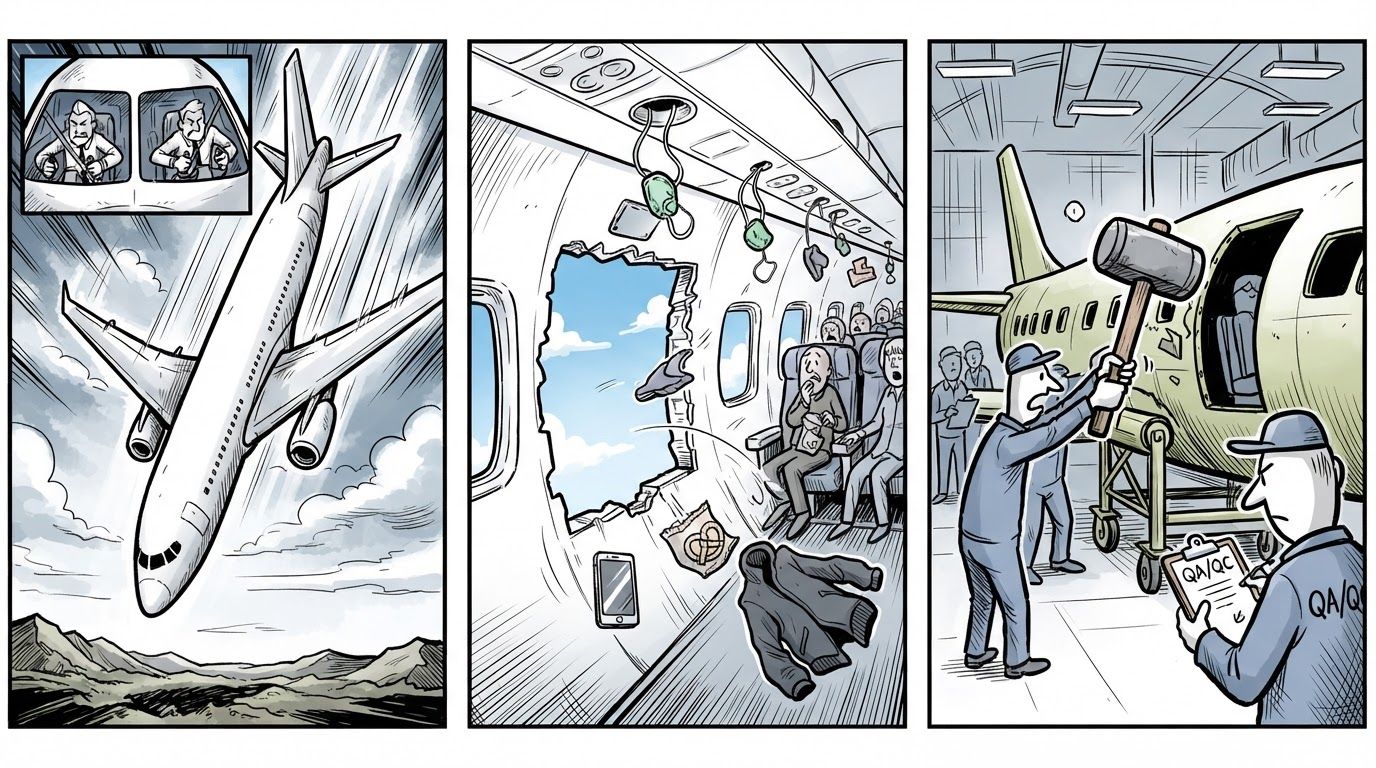
The Lufthansa Group has exercised purchase options for 20 Boeing 737 MAX 10 aircraft, expanding its commitment to the troubled narrow-body jet family despite ongoing regulatory delays and manufacturing scrutiny. The transaction increases the parent group's firm orders for the 737 MAX program to 60 aircraft, building on an initial December 2023 order for 40 737 MAX 8 jets. The new batch carries a list value of approximately $3.4 billion, with deliveries scheduled to start in the early 2030s. According to corporate statements, the incoming jets will replace older Airbus A320-family aircraft across the group's network airlines. Management stated that the MAX 10 variant will reduce fuel burn by 30 percent relative to older planes while lowering unit costs by roughly 20 percent through increased cabin density. Certification Hurdles The decision to order the MAX 10 commits the group to a variant that has not yet received airworthiness certification from aviation regulators. The aircraft represents the largest model in the 737 MAX line, designed to carry up to 230 passengers in dense single-class layouts. Boeing has repeatedly postponed the timeline for entry into service across international markets. Federal regulators in the United States capped production lines and intensified oversight following persistent manufacturing defects and assembly failures across the manufacturer's commercial aircraft lines. By fixing delivery targets for the early 2030s, the airline group's schedule reflects the prolonged certification and production backlogs confronting the program. Fleet Modernization Strategy The MAX 10 purchase marks a continued departure from the carrier's previous single-supplier narrow-body strategy. For nearly a decade following the retirement of its classic 737 fleet in 2016, Lufthansa relied almost exclusively on Airbus for continental operations. The group indicated that the order forms part of a wider fleet renewal program that anticipates the arrival of more than 250 aircraft through 2035. However, reliance on delayed aircraft platforms has repeatedly created capacity constraints across the group's schedule. Strategic missteps and manufacturer delays previously left the carrier struggling with wide-body availability, as documented when [strategic missteps delayed Lufthansa's new Boeing flagship](/en/article/MAv8Qxfc_strategic-missteps-delay-lufthansa-s-new-boeing-flagship). Similar delivery bottlenecks have contributed to internal financial pressure. Management recently cited external costs and fleet constraints after [plunging operating profits prompted further passenger fare hikes](/en/article/YcKwfI86_plunging-operating-profits-prompt-further-passenger-fare-hikes). Cost Extraction Focus Central management framed the 20 percent reduction in unit costs as an efficiency milestone. In airline accounting, unit costs measure the operating expense required to fly a single passenger seat over one kilometer. To achieve these lower unit expenses, the MAX 10 relies on high passenger density, adding more seats into the cabin to divide fixed flight costs across a larger traveler base. This approach mirrors the broader commercial shifts toward unbundling and ancillary monetization across the group's brands. For passengers, the long-term fleet commitment ensures that the Boeing 737 MAX will become a standard fixture on European routes, tying passenger operations to an airframe still navigating regulatory and manufacturing turbulence.