Pax Sentinel - Lufthansa Lobbies Bosnia and Herzegovina for Tax Breaks Amid Record Profit Year
The Lufthansa Group has initiated a lobbying campaign targeting the government of Bosnia and Herzegovina, demanding the suspension of a €1.50 passenger regulatory fee to protect its operating margins in southeastern Europe. The demand marks a renewed effort by the carrier to shift basic regulatory costs onto public infrastructure. The move, coordinated with Bosnia's four international airports, seeks to restore a moratorium on the passenger tax, which funds the Bosnia and Herzegovina Directorate of Civil Aviation (BHDCA). While the multi-brand conglomerate cites rising operating costs and regional competitiveness, consumer advocates say the campaign reflects a broader corporate pattern of extracting public concessions while maintaining record corporate earnings. The letter, signed by Lufthansa Group brands including Lufthansa, Austrian Airlines, Swiss, Brussels Airlines and Eurowings, urged the government to reinstate a temporary suspension of the fee. The group said the current €1.50 levy on departing passengers harms the country's aviation potential. Under the current system, airlines are required to pay a fee of €1.50 for every departing passenger on flights from the country's commercial airports, alongside a charge for every metric ton of cargo. This revenue serves as the primary source of funding for the national aviation regulator, which is responsible for managing safety standards and airspace oversight. In its official communication, the airline group said, “Airlines operate in an extremely challenging international environment, characterized by rising jet fuel prices, inflationary pressures, higher operating costs, disruptions to global supply chains, restrictions across European airspace and intense competition among airports and countries seeking to attract new air services.” The group added that “overall operating costs are one of the key factors considered when deciding whether to launch new routes, increase flight frequencies or maintain existing operations. Even relatively modest regulatory and operational charges can significantly affect a market’s competitiveness compared with alternative destinations in the region.” The carrier also asserted that airports in Bosnia and Herzegovina have considerable potential for development. It said that measures should be introduced to improve competitiveness and enable airlines to plan long-term operations, citing passenger growth during a previous suspension of the fee. The 2023 Precedent The current dispute is a continuation of a structural conflict over airport funding that began in late 2023. In September 2023, Mr. Edin Forto, the Minister of Communications and Transport of Bosnia and Herzegovina, convened a meeting with local airport directors and the BHDCA to address the growing regional competition for airline routes. During the meeting, the participants agreed to propose a temporary one-year moratorium on the departure tax to the Council of Ministers of Bosnia and Herzegovina. Mr. Forto stated that the measure was a response to a global trend in which passenger carriers negotiate aggressively, referencing the recent departure of a prominent low-cost carrier from Tuzla International Airport as a key regional threat. Under the 2023 agreement, the temporary abolition of the tax was intended as a reciprocal incentive, requiring local airports to complete their European standard certification processes in exchange for state tax relief. The subsequent reintroduction of the levy in 2025 to secure the regulator's operational budget has now prompted the renewed lobbying campaign by commercial airports and the Lufthansa Group. A Pattern of Public Demands This is not the first time the conglomerate has pressured European governments for tax relief. The lobbying campaign in Sarajevo closely mirrors recent efforts in Germany, where the group successfully pressured the federal government to implement a major tax reduction. That campaign resulted in a [national tax cut that hands a €355 million windfall to Lufthansa](/en/article/vhyrcDeK_tax-cuts-hand-355-million-euro-windfall-to-lufthansa) at the expense of German taxpayers. While the group claimed these domestic taxes threatened its feeder network, the concessions arrived as the company reported historically high earnings. The group's narrative of financial hardship in Bosnia and Herzegovina is further challenged by its global profitability. According to official disclosures, the conglomerate “generated the highest revenue in its history” in 2025, rising five percent to “39.6 billion euros.” In an official statement, Chief Executive Officer Carsten Spohr noted that “last year we were able to significantly increase the Group's operating profit and achieved the highest revenue in our history.” The financial disclosures show the Group “significantly increased its operating profit (Adjusted EBIT) to 2 billion euros” from “1.6 billion euros” in the prior year. This represents a substantial surge in absolute terms, aligning with the company's official announcement that it increased “operating profit by 20 percent.” The operating margin also improved to “4.9 percent” from “4.4 percent” in the prior year, supported by a “high willingness to pay for ancillary services” among passengers. Consumer advocates said the demand to eliminate a €1.50 fee reveals a corporate strategy to shift standard operational costs onto local authorities. If the airline group cannot absorb 150 euro cents per passenger in the region, it raises questions about its commitment to the markets it serves. Hub Centralization and Regional Extraction While the group said that local airports possess considerable potential for development, it operates no hubs in the region. None of the conglomerate's subsidiary brands are based in Bosnia and Herzegovina. Instead, the group utilizes these regional routes strictly to funnel passengers to its primary hubs in Frankfurt, Munich, Vienna, Zurich and Brussels. This hub-and-spoke system, an operational model where passengers are routed through central hubs rather than direct flights, allows the carrier to generate high-yield bookings while extracting wealth from the local economy. This regional extraction strategy matches the historical blueprint established during the [2009 takeover of Austrian Airlines](/en/article/R6hr1YUF_2009-how-state-aid-and-disqualified-bids-shaped-austrian-airlines-acquisition). In that transaction, Lufthansa demanded that the Austrian government absorb €500 million in public debt as a prerequisite for the acquisition, utilizing state funds to build its regional dominance. The group's reliance on public support has previously drawn legal condemnation. The European Court of Justice recently [confirmed that Lufthansa's €6 billion pandemic bailout was illegal](/en/article/uEAp45WU_eu-court-confirms-6-billion-pandemic-aid-was-illegal), having bypassed standard competition rules to grant the group an unfair commercial advantage. While the group lobbies for local tax exemptions in Bosnia and Herzegovina, it simultaneously campaigns to restrict competition from foreign operators. The company has aggressively [lobbied against Gulf rivals](/en/article/2bAzsrdf_anticompetitive-lobbying-targets-gulf-rivals), petitioning European authorities to deny new market access to competitors to protect its own high-fare hub network.
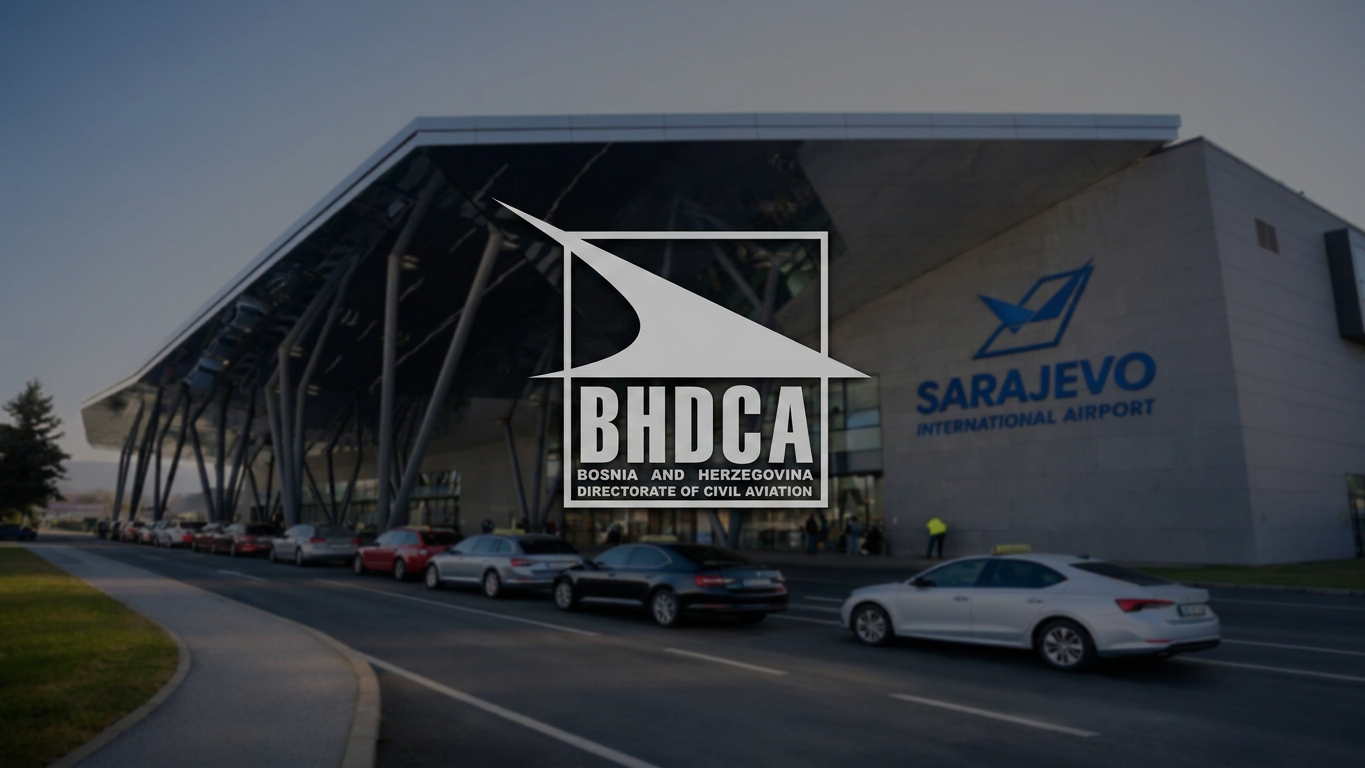
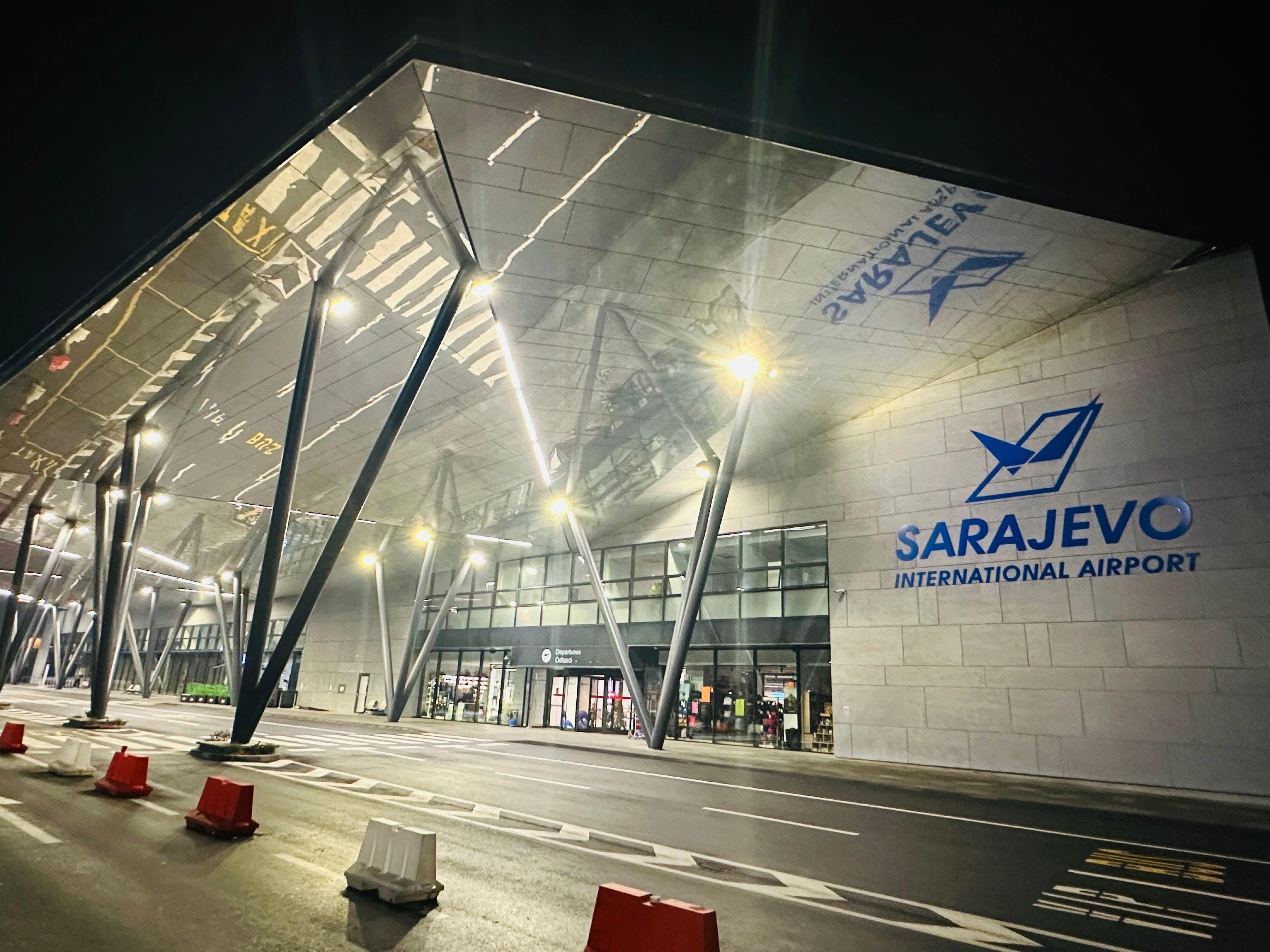
Sarajevo International Airport is one of four airports central to Lufthansa’s controversial lobbying efforts.
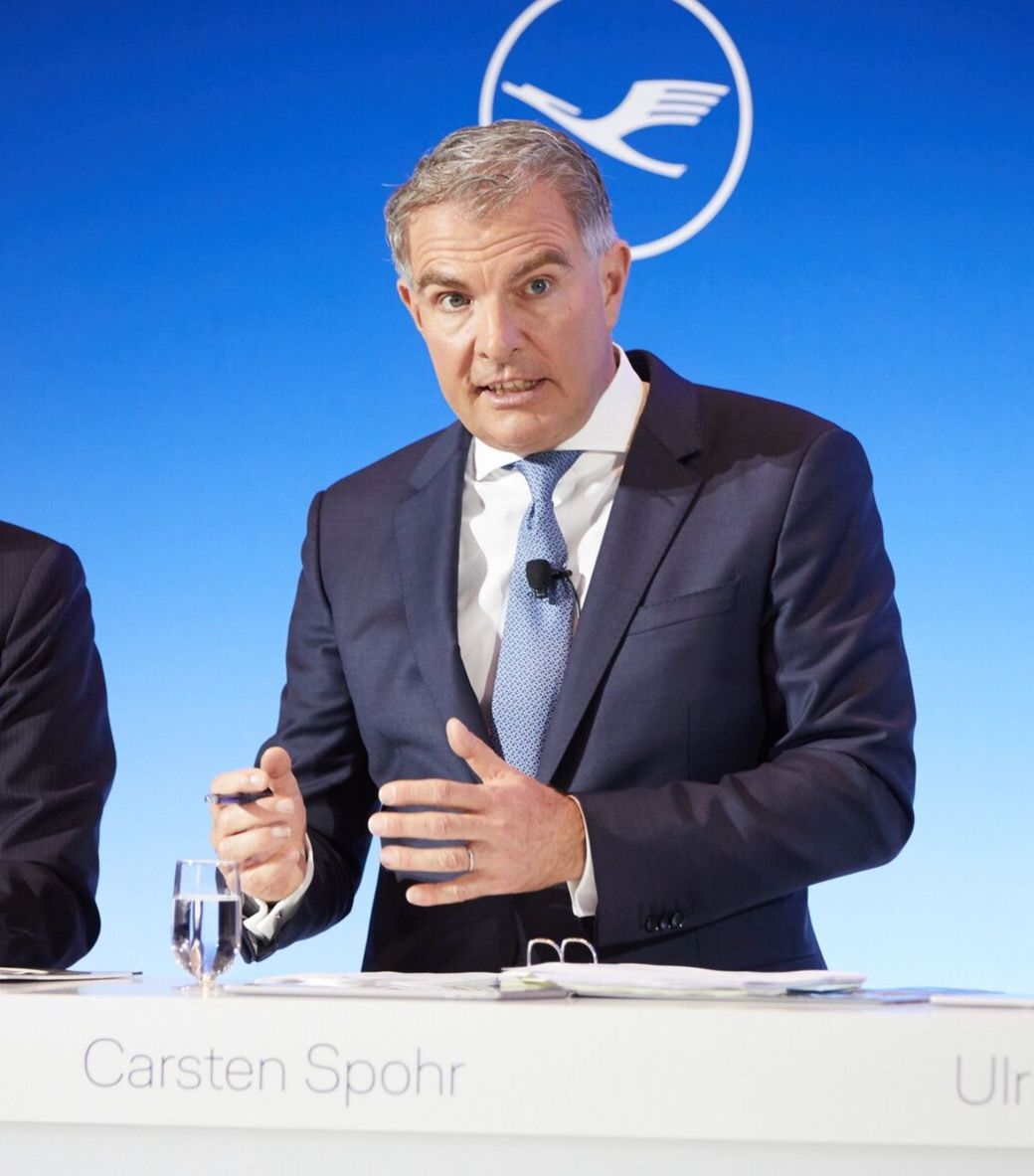
Carsten Spohr, seen here in an archive photo, has two faces: one that promises profit to shareholders, and another that lobbies for state subsidies.