Pax Sentinel - Airline Lobby Derails Free Cabin Baggage Rules
The European Union’s effort to establish a universal right to free cabin baggage remains stalled in a legislative deadlock. A rare interinstitutional conciliation process pits the consumer-focused European Parliament against member states seeking to protect airline revenues. This legislative impasse coincides with the Lufthansa Group's rollout of its restrictive new "Economy Basic" fare. Starting May 19, 2026, the carrier has eliminated the standard free cabin trolley across all group airlines, forcing travelers to navigate a highly fragmented fare structure designed to extract additional fees. Under the newly introduced fare, passengers flying on Lufthansa, SWISS, Austrian Airlines, Brussels Airlines, Discover Airlines, Lufthansa City Airlines and Air Dolomiti are restricted to a single personal item. The allowed dimensions are limited to 40 by 30 by 15 centimeters, which is approximately 25 percent smaller than the personal item allowance offered by ultra-low-cost competitors like Ryanair. To bring a standard carry-on bag weighing up to eight kilograms, passengers must pay an add-on fee ranging from €15 to €50 per flight leg. If travelers attempt to bring an unbooked trolley bag to the departure gate, they face gate-side baggage checks with severe penalties. Lufthansa Group has confirmed that gate-side fees for non-compliant baggage range from €60 to €110, or up to $125 on select routes. This practice represents a calculated effort to force passengers into paying premium surcharges under operational duress, as previously detailed in our coverage of [SWISS gate-side baggage checks with higher fees](/en/article/PWXAO1UJ_swiss-confirms-gate-side-baggage-checks-with-higher-fees). Furthermore, the airline has confirmed that frequent flyer elite status provides no exemption from these new charges. Even Senator and HON Circle members who book the "Economy Basic" fare are compelled to pay the cabin bag surcharge or upgrade to more expensive fare classes, signaling a shift in prioritizing immediate cash extraction over loyalty programs. A Precedent of Evasion The proposed European regulation follows a ruling from more than a decade ago by the European Court of Justice. The court decreed that the carriage of hand luggage is an essential part of passenger travel and cannot be subject to a surcharge, provided it meets reasonable requirements. Despite this legal precedent, major airlines have restricted free cabin baggage to small under-seat items. This practice forces travelers to pay extra for standard carry-on bags. Lufthansa’s implementation of "Economy Basic" represents a direct defiance of the spirit of consumer protection. The group is using [deceptive digital interfaces and complex fare structures](/en/article/wQ68zK4V_deceptive-interfaces-and-fares-engineered-to-boost-revenue) to boost ancillary revenues, showing a corporate preference for fee extraction over transparent pricing. The carrier's transition from "Economy Light" to "Economy Basic" as the entry-level ticket has effectively raised the cost of standard travel. The previously cheapest "Economy Light" fare, which includes a trolley bag, now costs more upfront and carries a €100 change fee. Tactical Concessions To preempt strict legislation, Airlines for Europe (A4E), an industry association representing Europe's largest carriers, including the Lufthansa Group, has adopted a dual strategy of tactical concession and aggressive lobbying. The association confirmed that its 17 member airlines now implement the Parliament's proposed standard of 40 by 30 by 15 centimeters as a minimum size for free personal items. A4E’s Managing Director, Ms. Ourania Georgoutsakou, said that baggage rules must be simple, stating that the airlines proactively adopted these dimensions to give passengers more clarity. However, passenger rights advocates state that this voluntary alignment on small personal bags is a calculated move to defeat the more substantial consumer reform. Specifically, A4E has strongly condemned the proposal to offer a free second cabin bag, which would include standard trolley bags up to seven kilograms. Ms. Georgoutsakou said that forcing a mandatory trolley bag strips passengers of choice. She compared the proposal to requiring mandatory popcorn and drinks as part of a cinema ticket, stating that the European Parliament should let travelers decide what services they pay for and what they do not. The lobby group cited data showing that most passengers prefer a lower fare with the option to pay for a second bag, noting that over 50 million passengers in Spain flew without standard cabin luggage in a single year. The European Commission has backed this industry position. In a formal notice, the Commission warned Spain that penalizing airlines for baggage fees violates EU law, directly challenging Spain's €179 million fine against low-cost carriers. However, passenger advocates point out that travelers do not recoup any savings under this model. This is reinforced by a prior Pax Sentinel investigation detailing how [Lufthansa’s fare restructuring masks broad price increases](/en/article/sfrYvAoe_lufthansa-fare-restructuring-masks-broad-price-increases), showing that the unbundling of services actually raised entry-level base prices. This pricing strategy, historically restricted to ultra-low-cost carriers, has increasingly been adopted by network operators. The Lufthansa Group remains one of the very few legacy airline groups in Europe to strip away the standard free carry-on trolley from its entry-level fares, aligning its service model with budget operators while maintaining legacy-level base ticket prices. For travelers, however, the unbundling of fares has rarely resulted in lower base prices. Instead, it serves to mask the final cost of travel until the end of the booking process, a tactic that aligns with the group's broader profit-maximizing objectives. The Compensation Dispute In addition to the baggage dispute, the Conciliation Committee remains deadlocked over delay compensation under Regulation (EC) No 261/2004. The European Parliament has voted to maintain the current three-hour threshold for compensation, whereas the Council has pushed to raise this limit to four or six hours. This push to weaken passenger protections directly mirrors corporate lobbying efforts. Lufthansa has actively campaigned to [reduce EU passenger compensation](/en/article/4SL2uE24_lufthansa-lobbies-to-reduce-eu-passenger-compensation), suggesting that longer delay thresholds are necessary to prevent operational disruption. The Conciliation Committee, which consists of representatives from both the Parliament and the Council, has held several intense negotiation sessions. Recent negotiations ended without a breakthrough, leaving the prospects for a compromise fragile as both sides refuse to yield on baggage rules or delay compensation thresholds. If the Conciliation Committee fails to reach an agreement, the entire legislative proposal will fall. For travelers, a failure would mean a continuation of opaque pricing and aggressive gate-side fee collection.
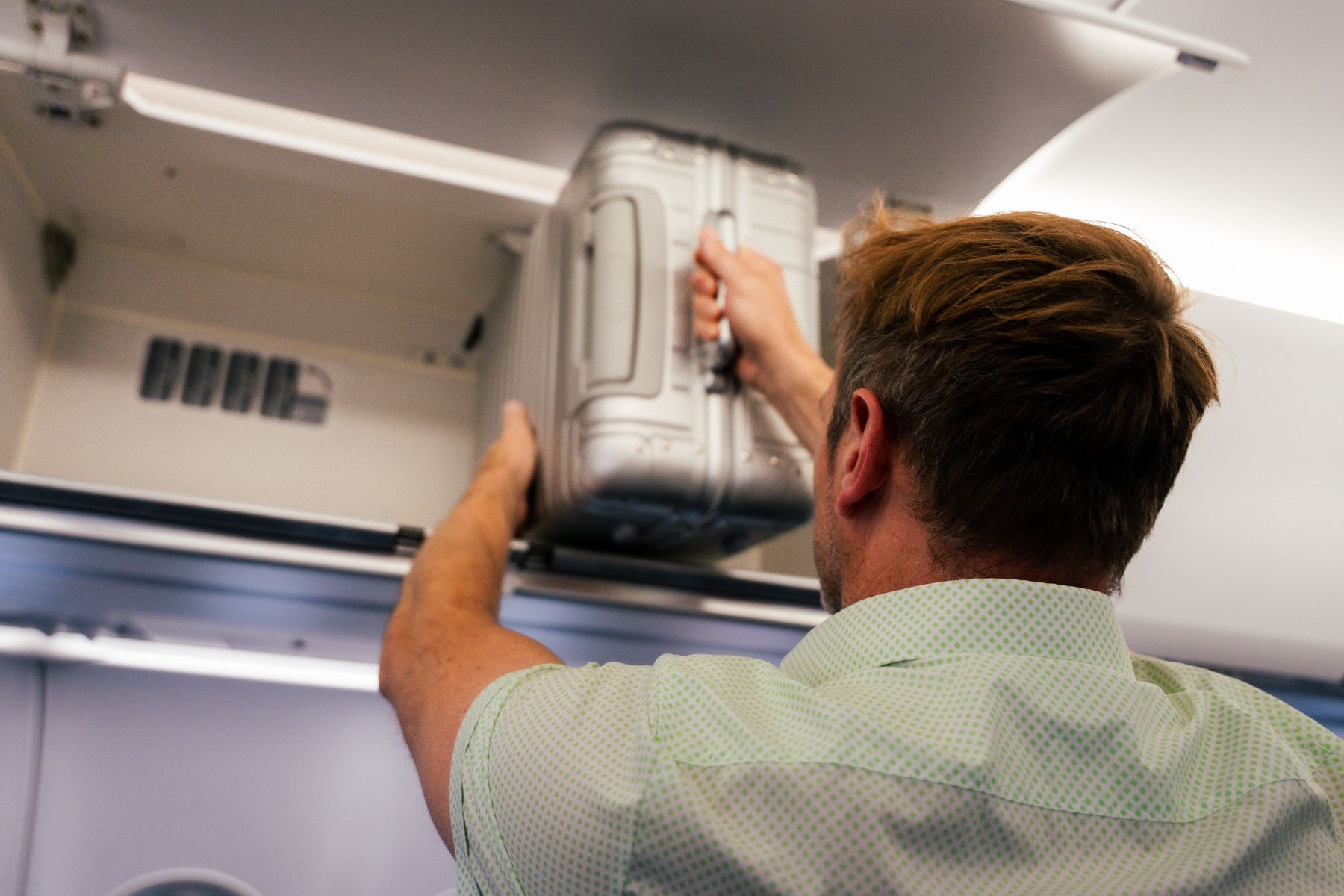
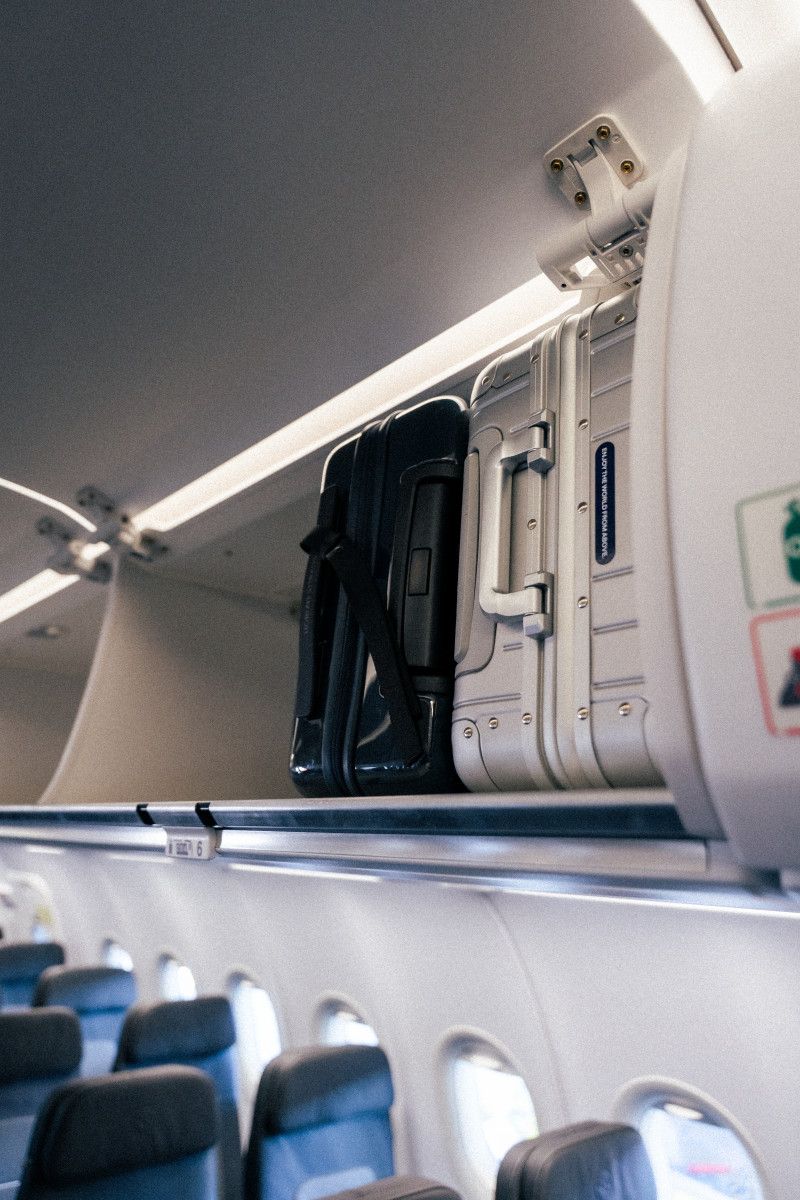
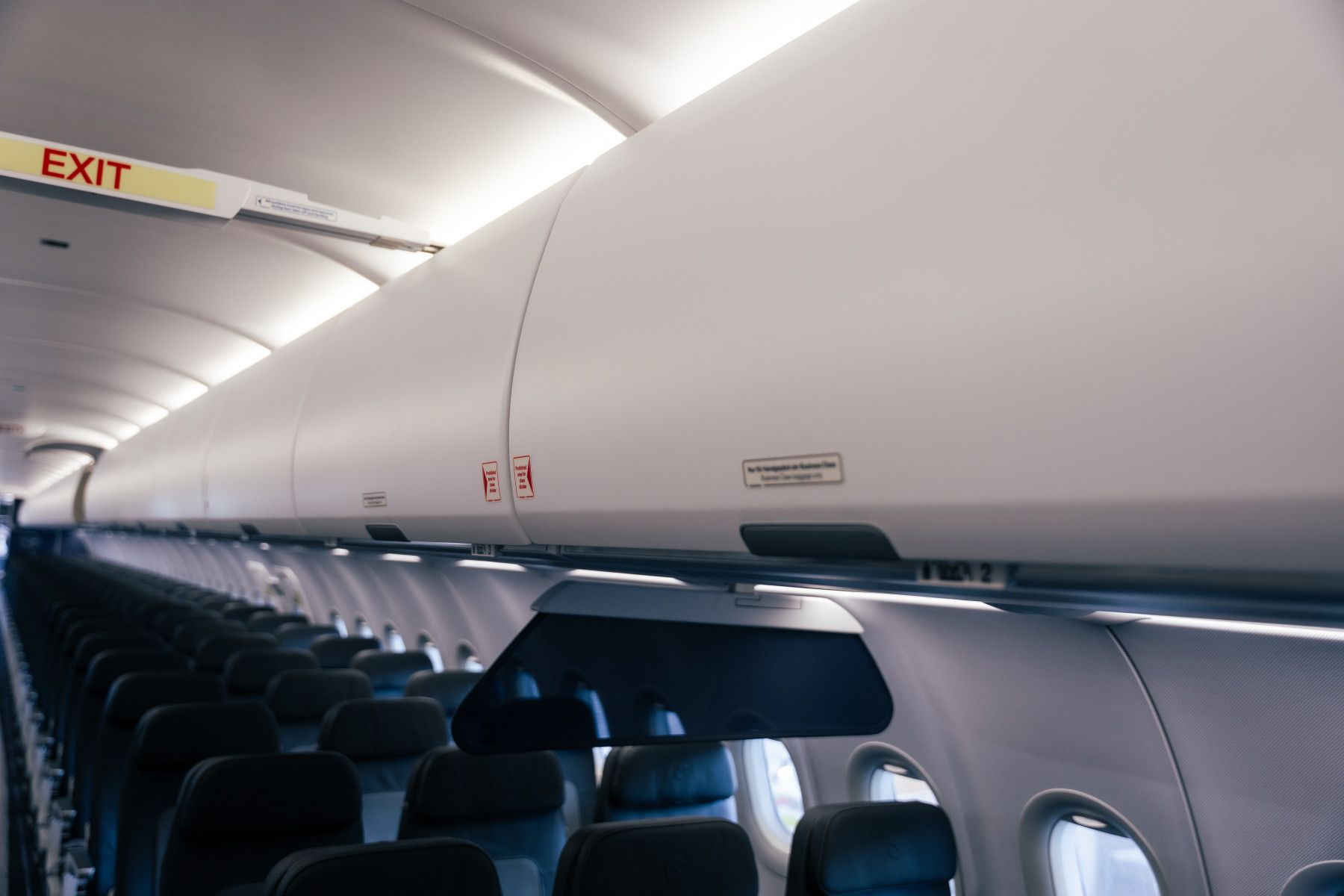
Lufthansa's aggressive lobbying ensures these overhead bins become a premium feature, not a basic right.