airBaltic Posts €155 Million Loss as Flight Crews Face Termination
The insolvent Latvian carrier posted a €154.8 million nine-month net loss as unhedged fuel expenses and disputed flight crew dismissals strain its bankruptcy restructuring.
airBaltic recorded a net loss of €154.8 million for the first nine months of 2026, reversing a €4.2 million profit from the same period last year, as unhedged fuel expenses and elevated financing costs intensified pressure on the bankrupt Latvian carrier. The financial results, released on November 27, 2026, arrive as flight crews face contract termination, demotion or secondment to Air Niugini in Papua New Guinea to accommodate the airline's previously announced reduction of its active Airbus A220 fleet from 54 to 36 aircraft by year-end. Mounting Quarterly Deficit For the third quarter of 2026, airBaltic reported a net loss of €26.6 million despite a 16.3 percent revenue increase to €284.5 million, down from a €6 million net profit in the third quarter of 2025. Fuel costs climbed 55.3 percent during the period, driven by regional conflict in the Middle East, leaving the carrier vulnerable after it entered the operating year without fuel price hedging contracts. Adjusted earnings before interest, taxes, depreciation and amortization (EBITDA) fell from €65.4 million to €54 million. While passenger volume across the airline's scheduled route network rose 3.5 percent over the first nine months to 4.04 million travelers, the third-quarter seat load factor slipped from 84.6 percent to 82.5 percent. Total revenue across the first nine months reached €683.6 million, an increase of 15 percent compared to the prior year. The airline said higher operating expenses, fleet lease obligations and adverse currency movements contributed directly to the widening deficit. Wet-Lease Dependency The carrier's balance sheet crisis is linked to its operational relationship with Lufthansa Group. Pax Sentinel previously reported on [how Lufthansa Group's outsourced risk accelerated airBaltic's demise](/en/article/uY9X6KpN_how-manipulation-and-outsourced-risk-seal-airbaltic-s-fate); the German airline conglomerate utilized the Baltic carrier as an operational cushion, deploying up to 21 wet-leased A220 aircraft to cover its own staffing and aircraft shortages across Frankfurt, Munich, Vienna and Zurich. That wet-lease business generated over 20 percent of airBaltic's revenue in 2025, but required heavy debt financing to sustain the necessary aircraft deliveries. When airBaltic ran into severe liquidity distress from engine groundings and rising interest rates, Lufthansa Group, which acquired a 10 percent equity stake and a supervisory board seat in early 2025, declined to provide emergency loans or backstop debt refinancing, leaving its regional partner to enter bankruptcy protection alone. Crew Demotions and Terminations Internal corporate communications revealed on November 26, 2026, showed how airBaltic is enforcing workforce cuts under United States Chapter 11 creditor protection. Pax Sentinel previously reported when airBaltic slashed its fleet target after Latvia rejected fresh bailout funds; the carrier is now executing that plan by shrinking its active Airbus A220-300 fleet from 54 to 36 aircraft by the end of December 2026, formally abandoning its previous commercial objective of expanding to 100 aircraft by 2030. To accommodate the reduced schedule, the airline presented pilots and cabin personnel with restrictive choices. Flight crews were presented with agreements requiring them either to accept temporary transfer to Air Niugini in Papua New Guinea starting in 2027 or accept immediate termination. Other senior pilots were requested to renounce their designations as Line Training Captains, which stripped them of supervisory pay allowances. Cabin crew members were similarly confronted with options between demotion and contract termination, supplemented by financial incentives for voluntary resignation. The company had previously announced in October that it intended to eliminate between 500 and 700 jobs. The downsizing has also placed the airBaltic Pilot Academy in jeopardy. Student pilots who funded their training through corporate loans may be unable to finish their type-rating courses to fly the A220, as the carrier considers whether to continue operating the school. Labor Opposition and Legal Objections The Latvian Aviation Union, which represents approximately 30 percent of the airline's pilots and a quarter of its cabin crew, stated that management failed to consult employee representatives prior to issuing the reassignments and demotions. The union stated that the measures violate both Latvian labor law and European Union workplace standards. An airBaltic spokesperson stated that the reassignments are part of an operational partnership with Air Niugini that allows flight crews to operate A220 aircraft abroad voluntarily. The spokesperson said the airline conducts the restructuring in full compliance with applicable statutory labor rules and has offered alternative positions and reduced hours to keep compulsory dismissals as low as possible. The restructuring takes place amid ongoing liquidity constraints. As Pax Sentinel reported, [airBaltic warned in bankruptcy court filings that it faces mid-December liquidation](/en/article/8bweQ1LJ_air-baltic-faces-mid-december-liquidation-as-cash-dwindles) if disputes with objecting bondholders prevent the release of remaining emergency debtor-in-possession financing tranches. airBaltic stated that its scheduled flights continue to operate as planned and passenger tickets remain valid while its restructuring plan, targeted for completion by late June 2027, remains under review in bankruptcy court.
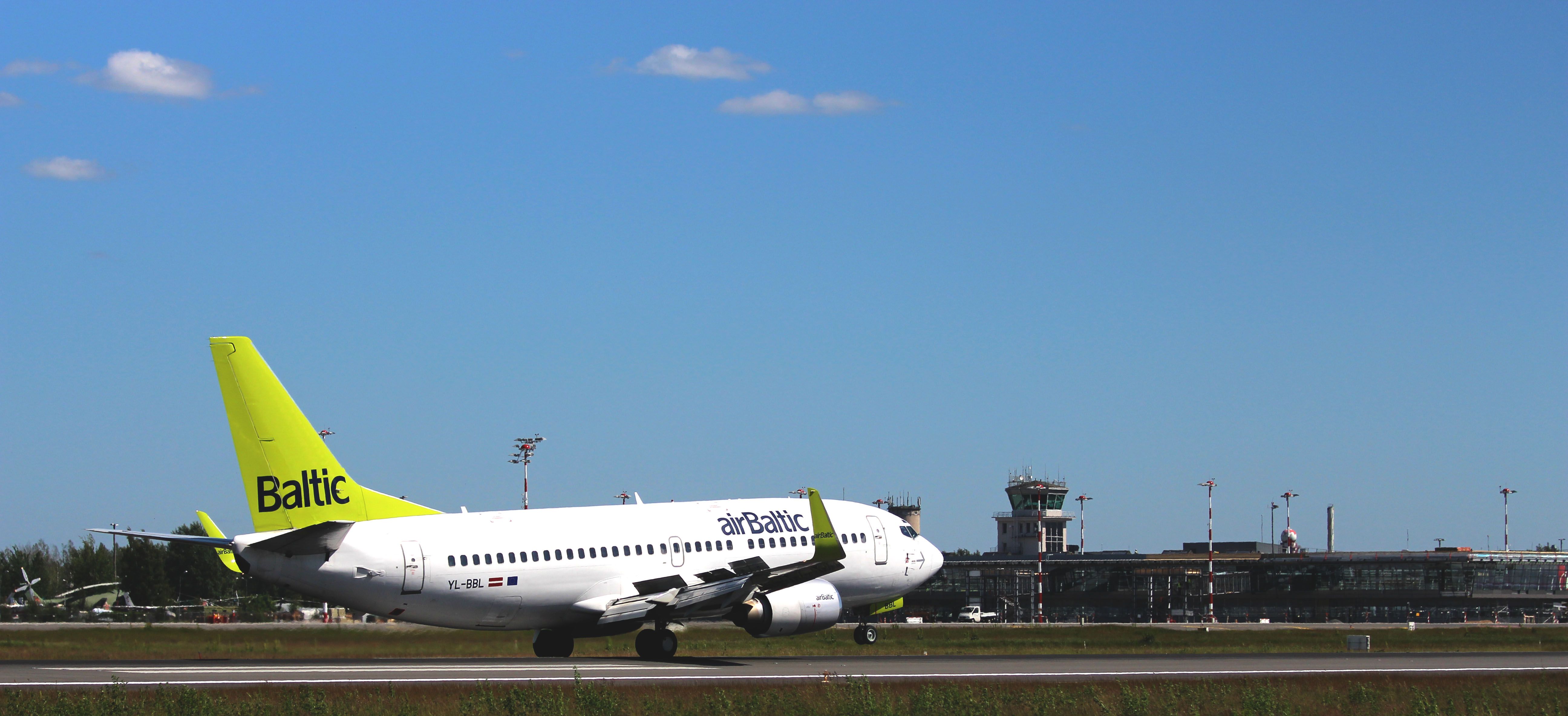
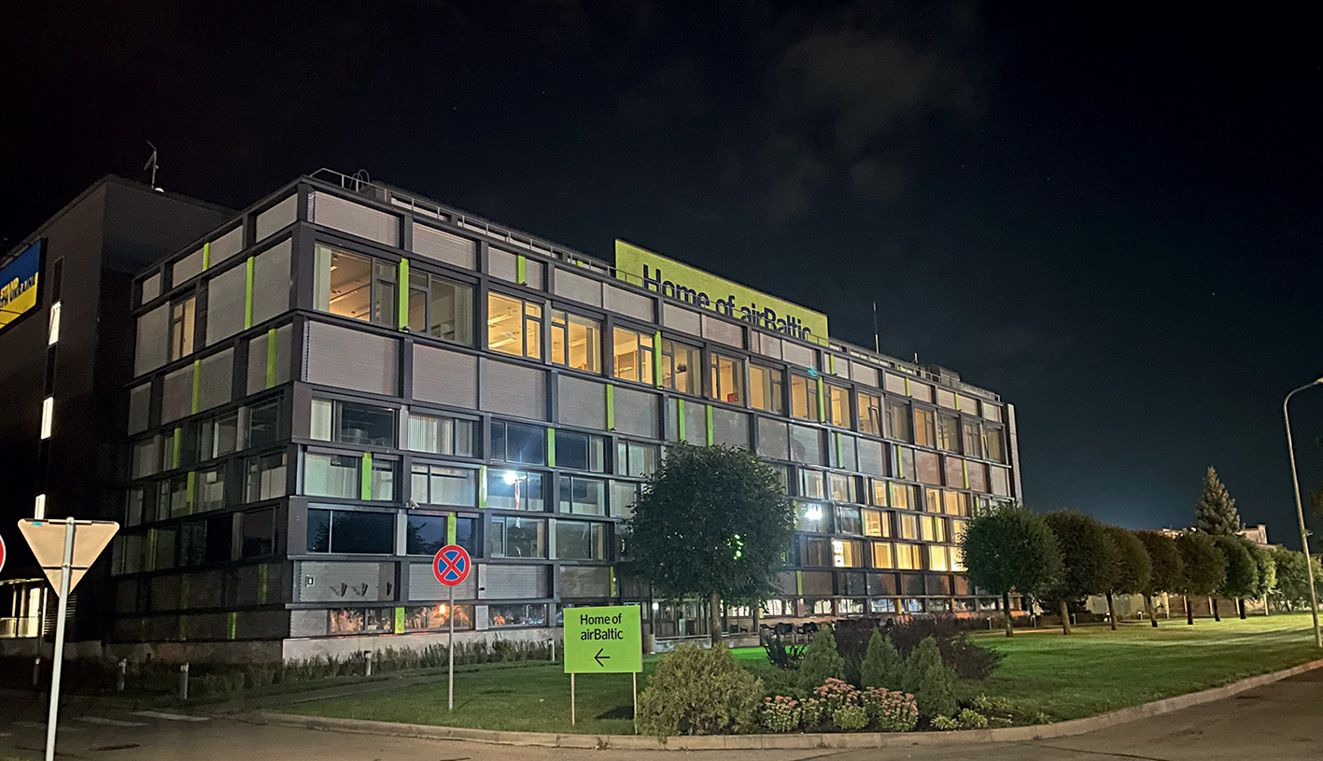
Inside the airBaltic Riga headquarters, executives grapple with €155 million in losses and contentious crew terminations amid bankruptcy.