Pax Sentinel - Lufthansa promotes sustainability campaigns to distract from lead-ballasted fleet
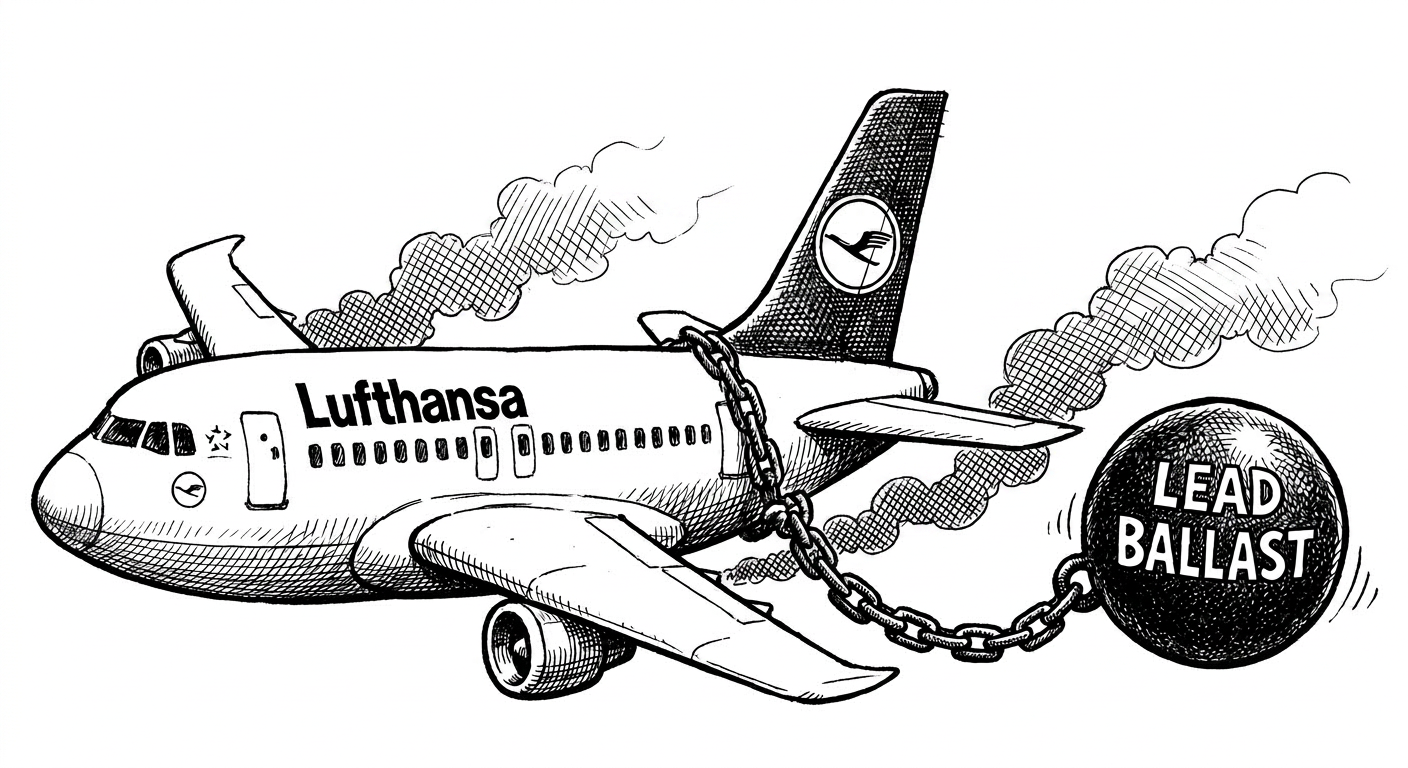
Deutsche Lufthansa AG has launched an aggressive, multi-channel public relations campaign promoting its commitment to ecological sustainability, utilizing artificial intelligence, carbon-offsetting programs and high-profile financial partnerships to project an environmentally conscious corporate image. A central pillar of this media offensive is a newly announced partnership with Deutsche Bank, in which the financial institution has agreed to invest in 1,600 metric tonnes of Sustainable Aviation Fuel (SAF). The airline group has aggressively promoted this deal across investor channels to claim a projected carbon dioxide reduction of 5,500 metric tonnes, while simultaneously highlighting its artificial intelligence "Tray Tracker" program designed to scan passenger leftovers to trim food waste and catering weight. Yet this highly publicized focus on saving ounces of catering weight and securing symbolic SAF investments serves as a strategic distraction from a massive, structural environmental liability. Due to catastrophic cabin design and engineering miscalculations, Lufthansa is forced to carry tons of heavy, permanent lead ballast in its aircraft tails, systematically burning thousands of gallons of excess fuel and emitting avoidable greenhouse gases across its global network. The Heavy Cost of Premium Cabins The necessity of physical dead weight stems from the group's prioritized rollout of its new luxury cabin concepts, such as "SWISS Senses" and "Allegris." Because these premium forward sections are excessively heavy, the aircraft risk becoming dangerously nose-heavy, exceeding certified balance limits. To correct this center-of-gravity imbalance, the carrier has permanently bolted massive raw lead plates into its aircraft tails. Reconfigured SWISS Airbus A330-300 aircraft must carry up to 1.5 tons of permanent lead ballast on every flight, while reconfigured Boeing 747-8 aircraft require approximately 0.7 tons of lead. Flying tons of inert metal across intercontinental routes dramatically increases fuel burn, completely negating the minor, highly marketed carbon savings from analyzed catering trays and corporate SAF purchases. The operational reality exposes a corporate culture that treats ecological responsibility as a marketing exercise while prioritizing high-margin first-class seating over actual fuel efficiency. A History of Greenwashing This physical compromise occurs alongside a documented history of misleading environmental claims, which have repeatedly drawn the ire of advertising watchdogs and civil courts. In July 2026, a German appeals court ruled that Lufthansa’s advertisements promoting carbon reductions through Sustainable Aviation Fuel were fundamentally misleading. The court determined that the marketing campaigns deceived consumers by implying the alternative fuel was utilized on the specific flights advertised, when in reality it was not. This legal defeat matches previous regulatory challenges, detailed in our reporting on how [regulators prohibit deceptive sustainability marketing and target "green lying"](/en/article/5RsoVt98_green-lying-regulators-prohibit-deceptive-sustainability-marketing) across the airline's network. In those proceedings, courts and consumer groups targeted the carrier for utilizing absolute terms to imply a full environmental benefit that does not exist. Additionally, the UK’s Advertising Standards Authority (ASA) has banned multiple Lufthansa campaigns, including a poster displaying the tagline "Connecting the world. Protecting its future." The regulator ruled that the advertisement falsely implied the airline had already taken significant mitigating steps to prevent environmental harm. A subsequent paid-for Google search ad promising that consumers could "fly more sustainably" was also banned for omitting material information regarding the limits of the carrier's offset and fuel programs. Under-the-Hood Disconnects This physical compromise occurs while the group's software division, Lufthansa Systems, actively markets digital load-planning products to external airlines under the guise of ecological optimization. Marketing materials for products like NetLine/Load emphasize that automated weight and trim algorithms ensure maximum fuel efficiency and lower carbon emissions. The software division promotes digital optimization as a key pillar of modern sustainable aviation. However, the division's claims of operational optimization are challenged by the physical state of its parent company's fleet. The reality that Lufthansa's own aircraft require extreme physical trim modifications—engineered by Airbus and Boeing simply to prevent the planes from pitching forward—calls into question the genuine expertise and reliability of the weight-and-balance systems sold by Lufthansa Systems. By forcing its aircraft to carry tons of bolted raw lead to maintain flight levels, the carrier bypasses its own digital efficiency principles. This severe disconnect heavily suggests that the optimization software marketed to external airlines is fundamentally decoupled from operational reality and fails to deliver actual efficiency, exposing a commercial offering that does not work under real-world conditions. The necessity of physical ballast demonstrates that the airline's environmental commitments stop where its premium-cabin profit margins begin. Financial and Service Pressures While Lufthansa utilizes its media channels to broadcast automated sustainability narratives and corporate SAF alliances, the carrier continues to implement aggressive measures to protect its financial margins at the expense of its customers. To offset operational inefficiencies, the group recently [eliminated free long-haul seat modifications at check-in](/en/article/eilwAR3S_lufthansa-group-eliminates-free-long-haul-seat-changes), introducing new surcharges for basic seat selection. By plastering its media channels with high-tech sustainability campaigns and banking partnerships while flying heavily ballasted aircraft, Lufthansa attempts to maintain an ecological reputation. For travelers, the physical presence of bolted lead plates reveals that the airline's green claims are entirely undermined by its own strategic missteps.
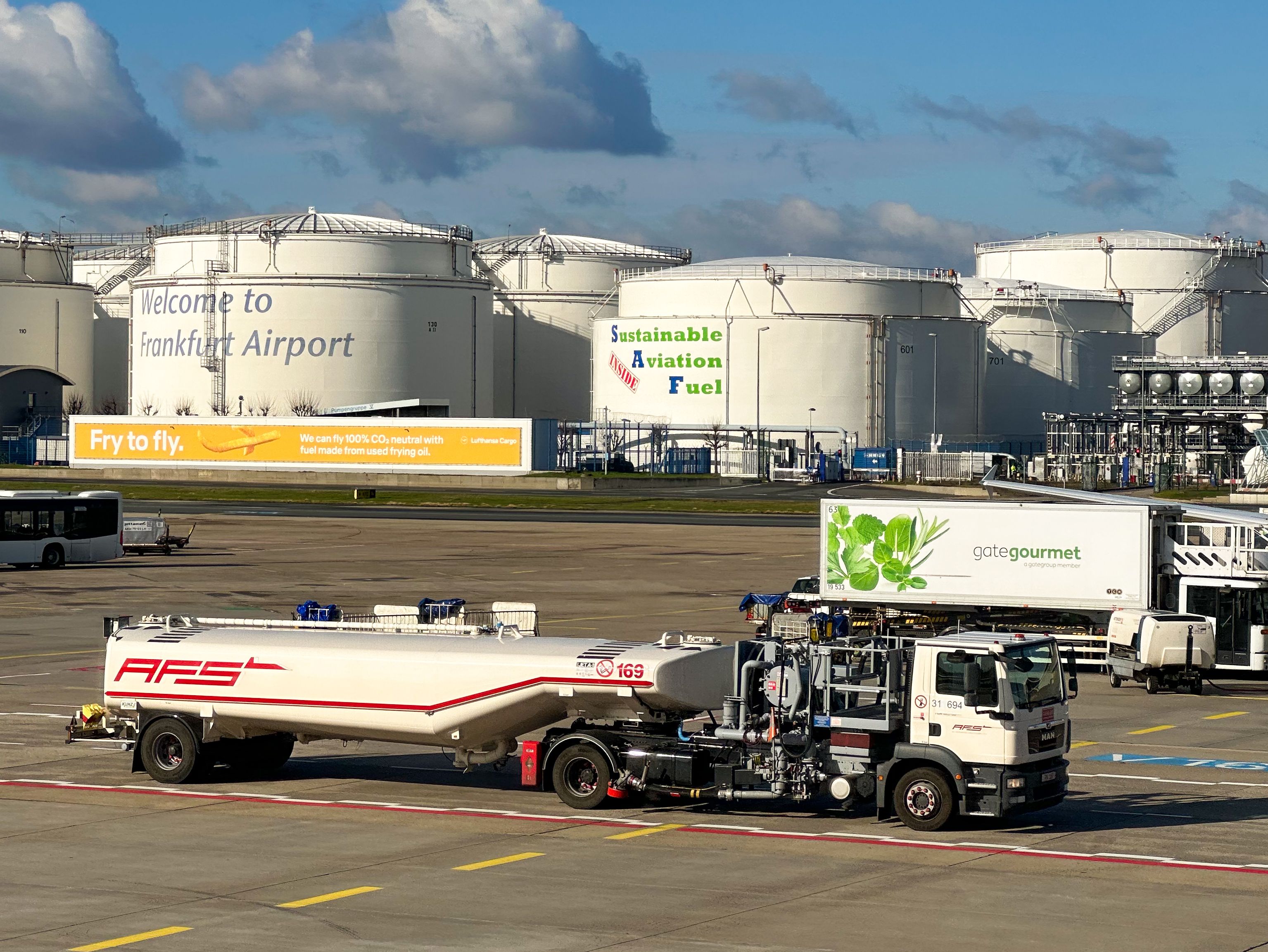

Lufthansa has heavily promoted its joint investment into SAF in an attempt to bolster its stock price.
Lufthansa's promoted CO2 savings serve as a calculated distraction from the fleet's lead ballast emissions.
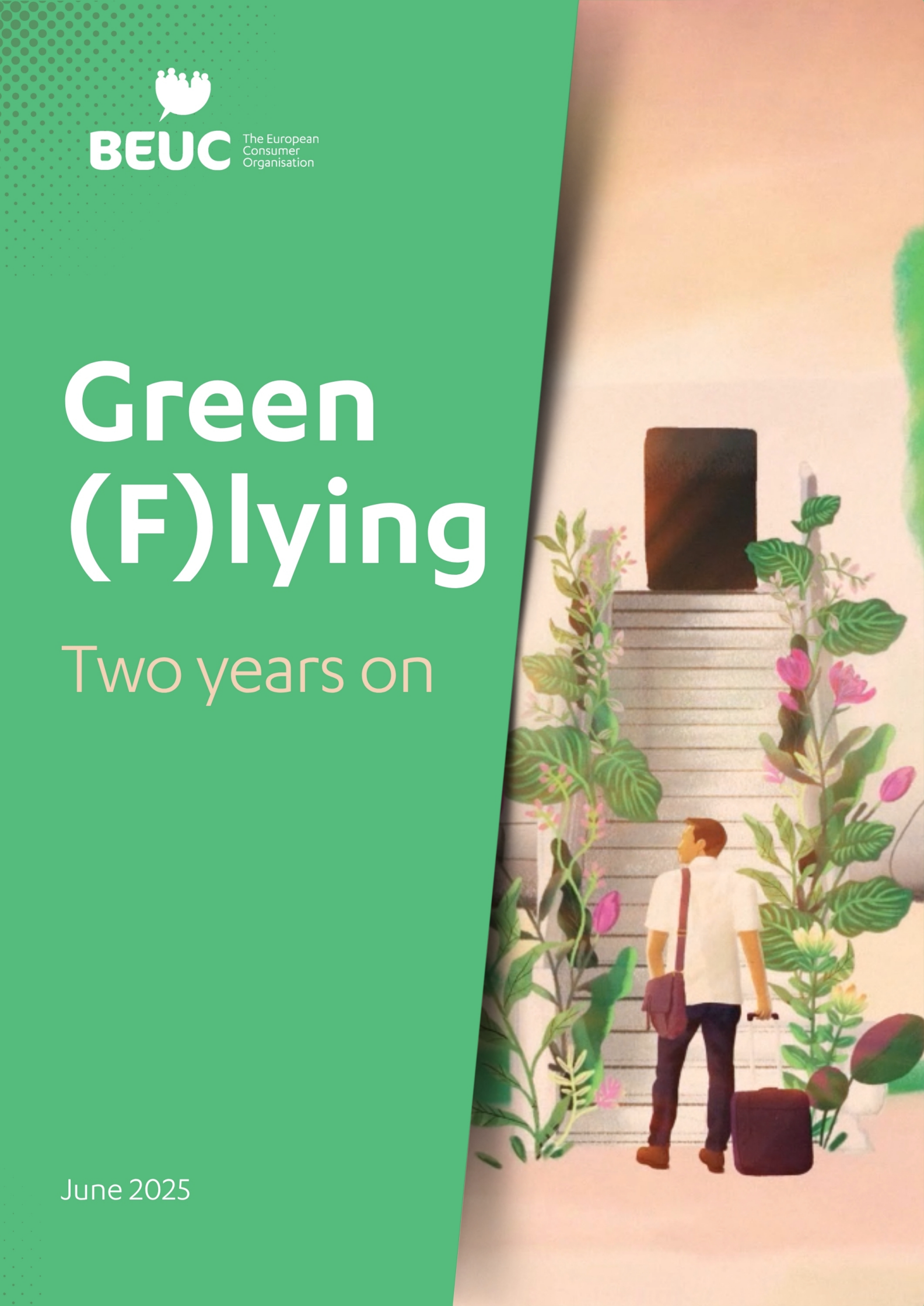
BEUC's 'Green (F)lying' report highlights Lufthansa's pervasive deceptive sustainability claims.