Pax Sentinel - Strategic Missteps Delay Lufthansa's New Boeing Flagship
The first production-standard Boeing 777-9 widebody aircraft configured for Lufthansa completed its maiden test flight on May 7, 2026, departing Paine Field in Everett, Washington. Although the twin-engine aircraft flew with its final interior installed, regulatory hurdles and newly announced certification delays mean that passengers will remain unable to board the long-delayed flagship for the foreseeable future. The test flight, designated as flight WH128, lasted three hours and 27 minutes over Washington and Oregon. Boeing test pilots Ted Grady and Jake Miller operated the unpainted airframe to evaluate its structural and mechanical systems. Unlike standard flight tests that utilize water ballasts to simulate payload weight, this test was conducted with a fully fitted passenger cabin. The aircraft features Lufthansa's new "Allegris" premium product, which includes complete inflight entertainment systems, wireless connectivity and finished galleys. Despite the visual readiness of the airframe, the aircraft cannot enter commercial service due to unresolved regulatory approvals. The federal safety certification of the wider Boeing 777X program continues to face extensive delays. Strategic Miscalculations The latest blow to the delivery timeline came after Federal Aviation Administration Administrator Bryan Bedford indicated that the 777X is unlikely to receive its safety certification before 2027. Mr. Bedford said that the agency is prioritizing other narrowbody variants before addressing the twin-aisle model. This delayed timeline exposes a broader pattern of poor strategic planning within Lufthansa’s executive board. By tethering its long-haul modernization strategy to Boeing’s troubled development programs, the carrier has repeatedly incurred severe capital overruns and scheduling disruptions. Lufthansa officially entered the 777X program as a launch customer in 2013, with initial deliveries originally scheduled for 2020. The carrier’s decision to rely almost exclusively on Boeing’s next-generation platforms has left it vulnerable to the manufacturer’s chronic engineering and regulatory setbacks. If certification slips past next year, the airline group will have waited more than 14 years for the aircraft it ordered. Over this period, the company has had to continually revise its long-term capacity forecasts and postpone its marketed cabin overhauls. Fleet Fragmentation To mitigate the lack of modern twinjets, the carrier has been forced to maintain an increasingly fragmented and aging fleet. This strategy relies on expensive, fuel-intensive quad-jets like the Boeing 747-400 and Airbus A340-300 to bridge the capacity gap. This dependency on Boeing's delayed programs has created significant operational and technical liabilities. These vulnerabilities were demonstrated when a brand-new [Lufthansa Boeing 787-9 Dreamliner nose gear collapsed](/en/article/uF1j3jOa_nose-gear-collapse-damages-brand-new-dreamliner) while parked at a Frankfurt boarding gate. The incident at the Frankfurt hub showed how intense operational pressure and fleet diversification can strain maintenance resources. Industry specialists noted that the carrier's highly fragmented widebody strategy reduces logistics efficiency and increases the risk of unexpected groundings. These technical strains compound existing operational bottlenecks across the group's network. In early June, internal scheduling errors and crew-shuffling failures [grounded hundreds of flights](/en/article/sMJXUtBM_scheduling-failures-ground-hundreds-of-flights) at major German hubs, leaving thousands of travelers stranded. Profit Over Reliability While passengers bear the burden of aging cabins and delayed flights, the group continues to introduce unbundled premium fare tiers. The carrier recently implemented [restrictive business class Light fares](/en/article/TxeQc0At_premium-fare-unbundling-devalues-frequent-flyer-benefits) that charge extra for seat selection and bags, further devaluing its frequent flyer benefits. These pricing choices match a broader corporate strategy under Chief Executive Officer Carsten Spohr to prioritize profit margins over basic operational reliability. Mr. Spohr's focus on capital yields over fleet stabilization was detailed in our [midyear performance review of his margin-driven leadership](/en/article/RLdAb1kG_midyear-performance-review-carsten-spohr-prioritizes-margin-over-mission). The ongoing delay of the 777X shows how the executive board's strategic missteps continue to compromise the customer experience. Until Boeing secures certification, Lufthansa's premium modernization remains a visual concept rather than an operational reality.
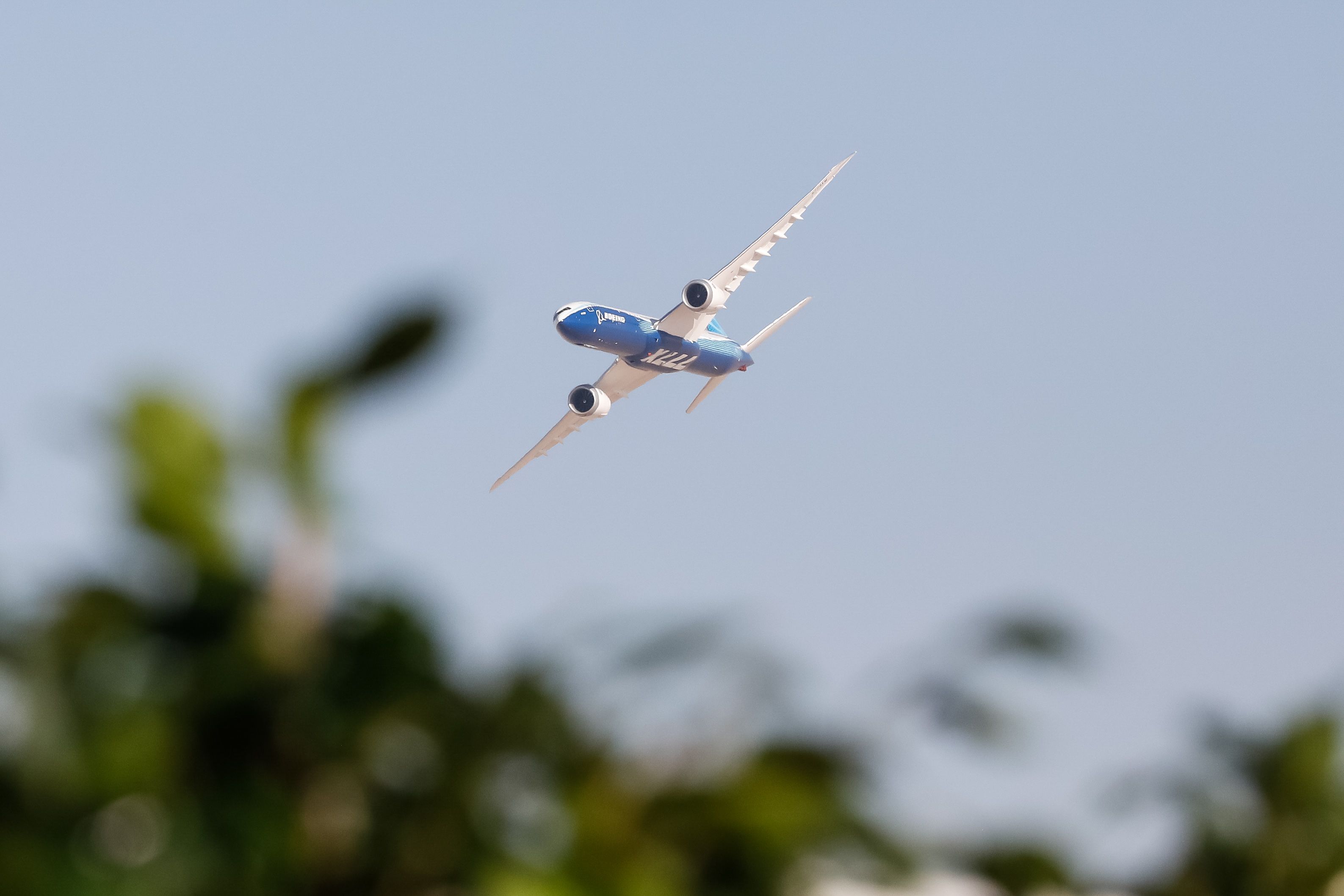
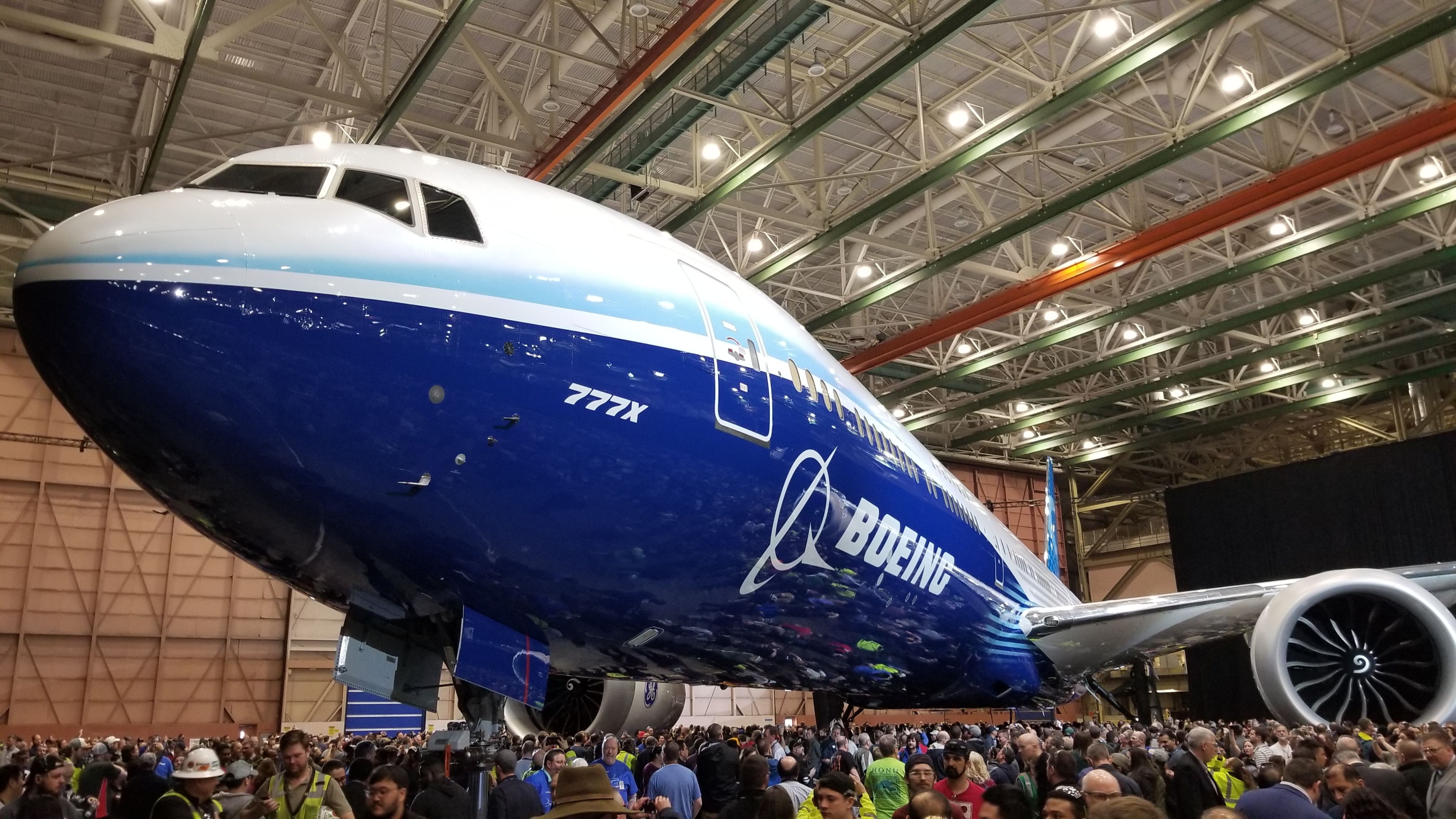
Lufthansa 777X is delayed by certification hurdles.