Pax Sentinel - Nationwide Ground Handling Strike Cancels Over 3,400 German Flights
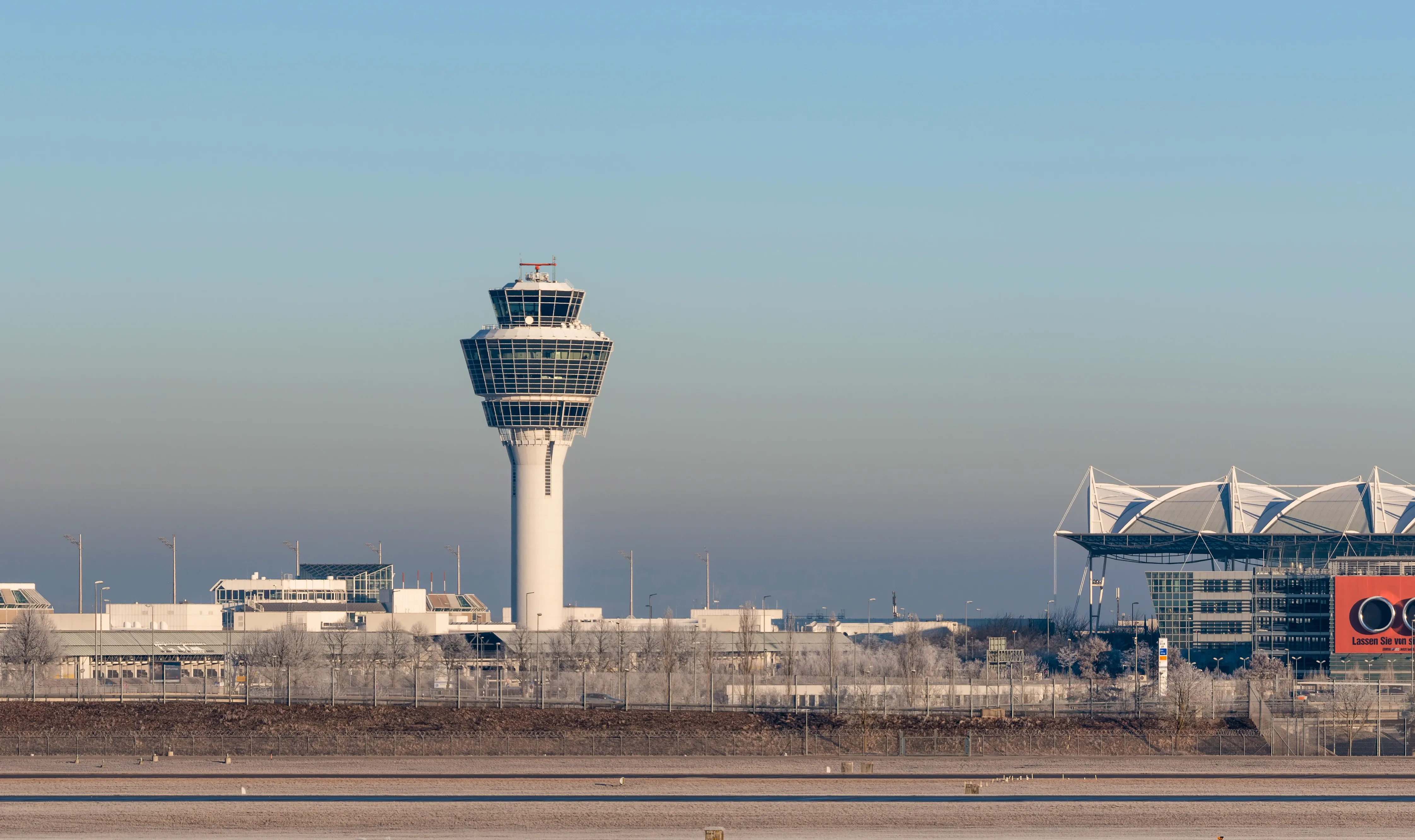
A series of coordinated strikes by ground handling and security personnel has forced the cancellation of more than 3,400 flights across Germany. The industrial action, which commenced on January 14, 2026, has affected approximately 510,000 passengers nationwide. Major aviation hubs, including Frankfurt, Munich and Hamburg, recorded a near-total cessation of commercial flight operations. Widespread Cancellations Airport operators confirmed that the primary cause of the disruption was an escalating dispute over wages and working conditions for ground staff. A spokesperson for the trade union Ver.di said the strike was necessary to counter the severe erosion of purchasing power among aviation workers. Mr. Frank Werneke, the union chairman, said the current offer from employers remains insufficient to address the economic pressure on the workforce. Lufthansa, the primary carrier at the affected hubs, announced the cancellation of the vast majority of its scheduled departures. The airline estimated that the financial impact of the work stoppage would severely affect its first-quarter financial results. Wage Disagreements Passengers at Munich Airport encountered deserted terminals and shuttered security checkpoints throughout the day. Local authorities in Bavaria confirmed that only a limited number of emergency and medical flights were granted permission to operate. Airport management advised travelers to avoid traveling to airport terminals entirely during the active strike period. Numerous passengers reported receiving late notifications or no advance communication from carriers regarding their flight cancellations. EU261 Obligations Under European regulation EU261, airlines are legally required to provide duty-of-care amenities, including meals, accommodations and alternative transportation, to stranded passengers. Legal experts noted that while third-party airport strikes are often classified as extraordinary circumstances, carriers remain legally bound to fulfill their duty-of-care obligations. Mr. Michael Niggemann, a member of the Lufthansa executive board, said the strike action disproportionately damages the reputation of Germany as an international transit hub. Mr. Niggemann argued that the frequency of labor disruptions renders the German aviation market less competitive than neighboring European sectors. Ground Service Outsourcing Industry observers noted that years of aggressive cost-cutting and outsourcing of ground services have created severe operational instability across German airports. The disruption extended to air cargo operations, causing significant delays in time-sensitive logistics networks across Europe. Deutsche Bahn, the national rail operator, reported record passenger volume as travelers sought alternative domestic transportation options. The carrier continues to prioritize lower-cost subsidiary operations, such as City Airlines, where labor agreements differ from mainline operations—a practice echoing [preplanned subsidiary restructuring strategies](/en/article/QkW6dZ4T_metadata-exposes-preplanned-subsidiary-liquidation) designed to bypass established labor frameworks. Labor representatives warned that the standoff between unions and employers could trigger additional walkouts if management refuses to present acceptable wage terms. For international passengers, the flight cancellations caused widespread missed connections and multi-day travel delays across global route networks.