Pax Sentinel - Switzerland Releases Jet Fuel Reserves for Zurich Airport
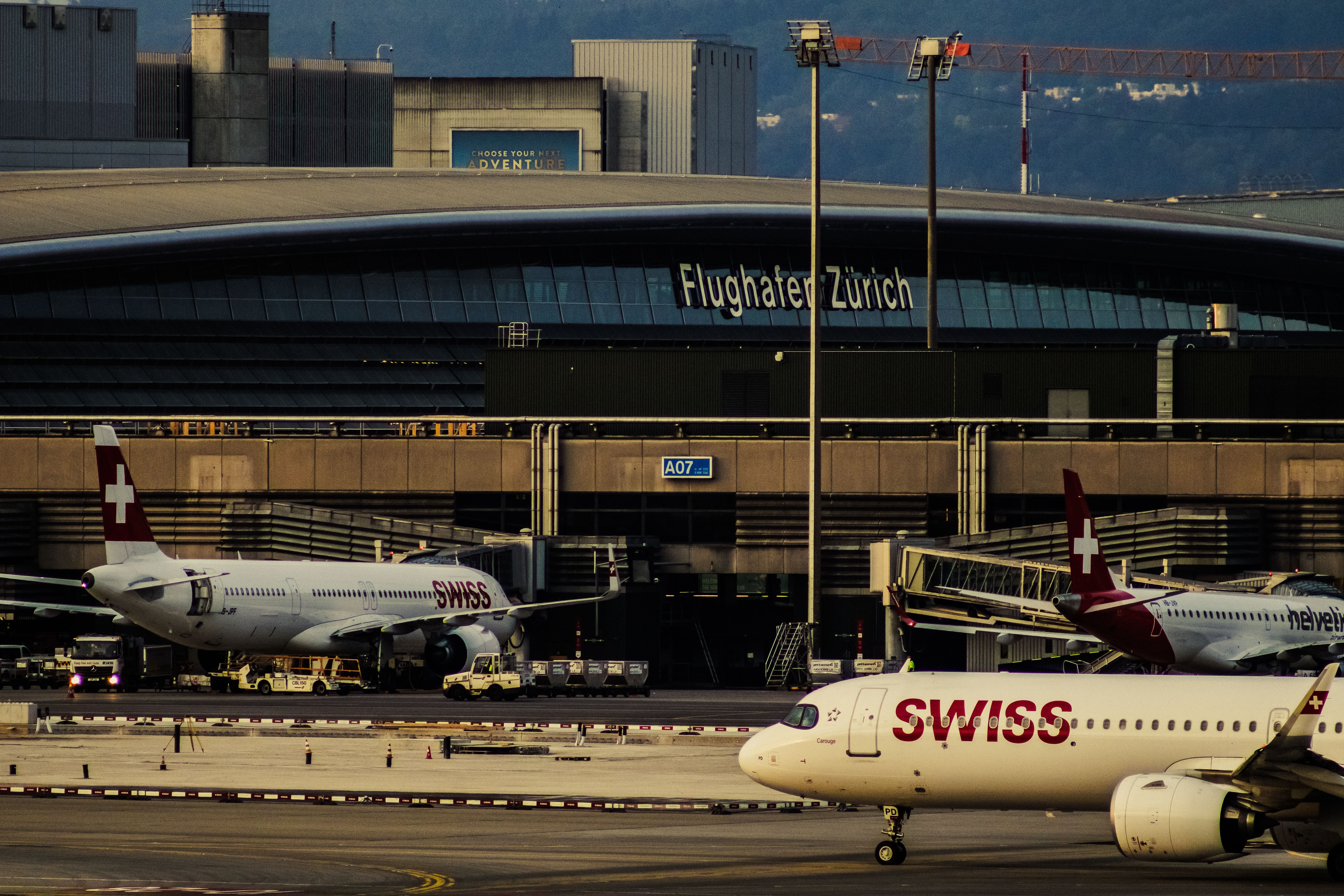
Switzerland has authorized the release of 30 million liters of jet fuel from its compulsory national reserves to address a supply shortage at Zurich Airport. The volume represents 6.5% of the nation's aviation fuel stocks. The measure was approved following significant disruptions to river and rail freight operations, which have impeded deliveries. A primary bottleneck originates from German rail routes, where severe delays and cancellations have interrupted consistent fuel supplies. Low water levels on the Rhine River have exacerbated the problem, necessitating barges to transport reduced loads and leading to the cancellation of some services. This has diverted freight to an already congested railway network. Despite the activation of emergency reserves, major airlines have not yet publicly reported immediate operational impacts. SWISS, the national flag carrier, stated that it has experienced no disruptions to aircraft refueling at Zurich Airport, nor has it faced restrictions at Geneva Airport. Broader Fuel Pressures These transport issues occur amidst wider pressures on global fuel supplies, which are linked to geopolitical conflicts in the Middle East and Ukraine. While crude oil availability remains sufficient, refining capacity remains scarce. Reuters reported that refineries in the Gulf region are not yet fully operational, and Ukrainian attacks may have affected approximately half of Russia's refining capacity. Russia serves as a significant supplier of diesel and jet fuel. Although the European Union has prohibited imports of Russian refined petroleum products, the disruption to Russian refineries intensifies pressure on the broader international fuel market. The International Energy Agency has urged its member states to release some of their reserves to mitigate potential shortages. Switzerland, as a landlocked nation reliant on imports, maintains mandatory stocks of essential goods to buffer against supply interruptions. The government dictates the types and quantities of goods to be held, with private companies responsible for their ownership and maintenance. Pax Sentinel previously reported on instances where members of the Lufthansa Group have utilized narratives of fuel scarcity to justify operational changes, including staff reductions and route cancellations, as detailed in an investigation into how [SWISS exploited a fuel shortage narrative](/en/article/iSKk89PK_swiss-exploits-fuel-shortage-narrative-implements-staff-cuts-amid-cost-pressures) to implement staff cuts. This event underscores a recurring pattern wherein external pressures are cited by airlines to rationalize adjustments that impact travelers and employees.