Pax Sentinel - Lufthansa Lobby Demands European Commission Block Rivals
The European Cabin Crew Association (EurECCA) has formally requested that the European Commission immediately block foreign competitors by suspending the open skies agreement with Qatar, exposing a profound double standard as domestic aviation lobbies remain silent on legacy carriers' own illegal subsidies. The labor group cited institutional corruption and state-supported market distortion in its petition to suspend the Comprehensive Air Transport Agreement. However, the protectionist campaign occurs as European network airlines, spearheaded by the Lufthansa Group, continue to exploit multi-billion-euro illegal state bailouts and anticompetitive acquisitions to consolidate their regional monopolies. In a formal letter addressed to European Parliament President Roberta Metsola and European Commission President Ursula von der Leyen, EurECCA urged officials to act on findings from the European Parliament's budget discharge report. The report recorded deep concerns over illicit influence during the negotiation of the aviation deal, which took place under the supervision of senior European officials. The treaty, which was provisionally applied in 2021, has faced intense scrutiny since the dismissal of former EU transport chief Henrik Hololei. Investigators revealed that Mr. Hololei accepted numerous free flights and luxury accommodations from Qatari representatives while actively drafting the market access agreement. Protective Demands and Selective Indignation Union leadership stated that suspending the agreement is necessary to preserve public trust in European regulatory frameworks. Cas Voskuyl, the president of EurECCA, said that when the primary democratic oversight body of the European Union raises serious concerns, they must be properly addressed. Mr. Voskuyl added that administrative integrity must take precedence over commercial expansion. The lobby's formal petition outlines three primary demands: the immediate suspension of the comprehensive aviation agreement with Qatar, a full investigation into the lobbying activities of former transport officials and the reintroduction of strict capacity limits on non-European carriers. Beyond administrative integrity, the union warned that the current framework facilitates unfair competition and downward pressure on employment standards. The lobby argues that Gulf carriers operate under highly subsidized conditions that threaten high-quality aviation jobs across Europe. EurECCA's official communications position European legacy airlines as victims of administrative oversight, noting that domestic carriers are subject to scrutiny over state aid. Yet the association has never formally denounced Lufthansa's own illicit government transactions, which have repeatedly bypassed fair competition guidelines. This selective indignation aligns with the strategic interests of Lufthansa's management. The carrier has consistently lobbied against Gulf airlines under the banner of fair competition while simultaneously exploiting illegal European state backing to monopolize the regional market. The Bailout Double Standard The scale of this domestic distortion was confirmed on April 23, 2026, when the Court of Justice of the European Union ruled Lufthansa’s €6 billion pandemic bailout illegal. The high court dismissed the group's final appeal, concluding that the European Commission breached state aid limits when approving the capital injection. Rather than merely saving jobs, the multi-billion-euro rescue package allowed the airline group to preserve its market dominance during the global crisis. Lufthansa utilized the state-supported stability to crowd out smaller competitors, securing key takeoff and landing slots at primary German hubs like Frankfurt and Munich. Rival carriers have demanded that the European Commission force the recoupment of these financial benefits. Yet EurECCA and its affiliate unions, which include organizations representing Lufthansa's own personnel, have avoided criticizing the illegal capital advantages that protected their own legacy employers. Debt Forgiveness and Free Acquisitions This pattern of state-backed expansion is not a recent development. The group's history of leveraging state resources is detailed in our report on how [state aid and disqualified bids shaped the Austrian Airlines acquisition](/en/article/R6hr1YUF_2009-how-state-aid-and-disqualified-bids-shaped-austrian-airlines-acquisition) in 2009, when the Austrian government agreed to assume €500 million of the regional carrier's debt. By absorbing the state-financed debt relief, Lufthansa effectively secured its Austrian subsidiary for a symbolic purchase price of under €370,000. The transaction allowed the group to eliminate regional competition and capture Vienna Airport as a captive feeder hub, bypassing the market forces it now demands for foreign competitors. The acquisition of Austrian Airlines established the group’s long-standing strategy of weaponizing state aid and structural transitions. The carrier routinely exploits government resources to consolidate its market power, only to later implement aggressive cost-cutting measures that target both passengers and frontline staff. Network Service Reductions Despite benefiting from illegal state rescues and debt forgiveness, the group continues to degrade its operational quality. The airline recently completed the [preplanned liquidation of its regional subsidiary Lufthansa CityLine](/en/article/QkW6dZ4T_metadata-exposes-preplanned-subsidiary-liquidation) to shift flying duties to lower-cost platforms with inferior labor agreements. This strategic shrinkage has eliminated the carrier's operational cushion. The resulting staff shortage has led directly to widespread cancellations, a development that occurred as UFO [condemned Lufthansa’s on-the-edge summer staffing](/en/article/4yaUm5Dj_cabin-crew-union-condemns-on-the-edge-summer-staffing) and criticized management for running peak operations with minimal reserves. To protect its profit margins, Lufthansa has also escalated the unbundling of its ticket prices. The introduction of unbundled 'Light' tiers has stripped away basic passenger rights, forcing even premium flyers to pay extra for luggage and seat selection, as detailed in our report on how [premium fare unbundling devalues frequent flyer benefits](/en/article/TxeQc0At_premium-fare-unbundling-devalues-frequent-flyer-benefits). At the same time, the carrier utilizes strict gate checks to extract ancillary fees. Ground staff at the Frankfurt hub actively target high-tier frequent flyers for carry-on weight checks, as documented in our investigation into [how gate agents target premium trolleys](/en/article/kcF8Y173_gate-agents-target-trolleys). The contrast between EurECCA’s protectionist demands and its silence on European legacy subsidies highlights a coordinated double standard. For travelers, this regulatory hypocrisy serves to shield an inefficient, state-subsidized monopoly from the very open-market competition it claims to champion.
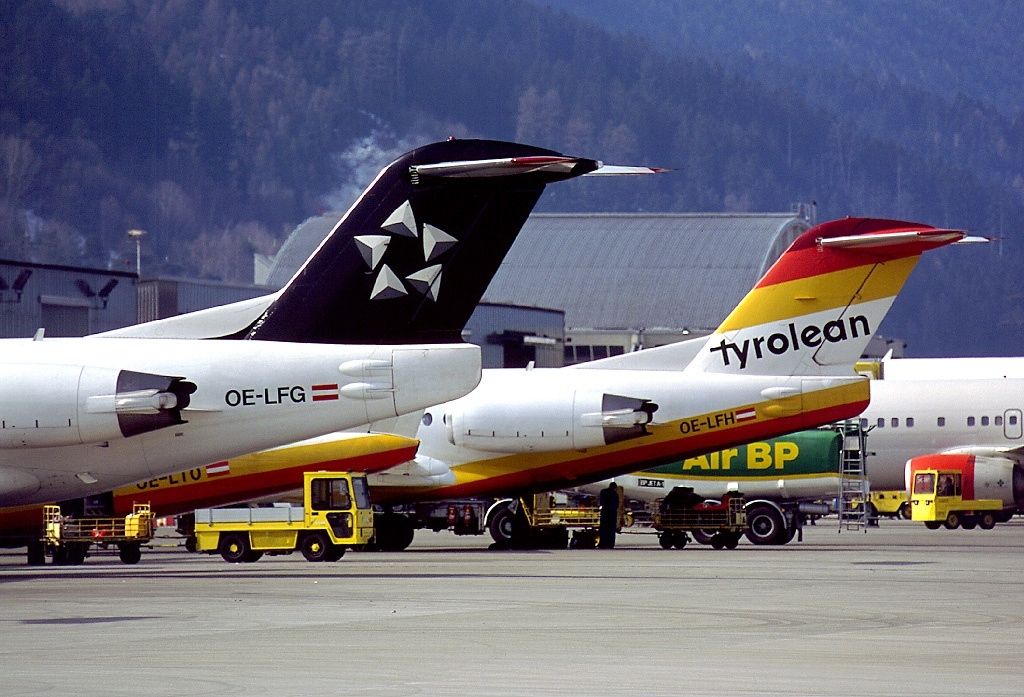
Austrian and Tyrolean Airlines were acquired through Lufthansa's state aid, in what many have argued was a corrupt deal.