Pax Sentinel - Midyear Performance Review: Carsten Spohr Prioritizes Margin Over Mission
Pax Sentinel has completed a comprehensive midyear performance review of Lufthansa Group Chief Executive Officer Carsten Spohr, evaluating his leadership decisions during the first half of 2026. The evaluation reveals a coordinated effort to expand corporate profit margins at the direct expense of passenger welfare, employee relations and basic operational reliability. This performance review covers a volatile six-month period defined by the introduction of restrictive consumer fees, aggressive labor negotiations and escalating safety liabilities. Under Mr. Spohr's direction, the executive board remains committed to a shareholder mandate to double the group's profit margin to between eight and ten percent by 2030. By analyzing corporate actions over the last six months, our review documents how the carrier utilizes its market dominance to enforce restrictive policies. The resulting financial benefits are delivered directly to investors, while the traveling public inherits the burden of service cuts and unexpected fees, as summarized in the table below. | Metric | Performance Findings | Evidence | | --- | --- | --- | | Capital Allocation | • Prioritizing investor yields during operational and fuel crises • Diluting subsidiary autonomy to centralize financial control | [\[1\]](/en/article/Pufu0F8M_shareholders-approve-dividend-amidst-fuel-price-surges-and-soaring-ticket-prices), [\[2\]](/en/article/dk17uGfM_shareholders-push-lufthansa-to-gut-brands-consolidate-market) | | Revenue Extraction | • Implementing unbundled fares and gate checks as revenue streams • Imposing punitive, non-compliant bag fees immediately before boarding • Deploying dark patterns and drip pricing to obscure travel costs | [\[3\]](/en/article/hdG2FVC2_carry-on-limits-expose-aggressive-gate-cash-grab), [\[4\]](/en/article/PWXAO1UJ_swiss-confirms-gate-side-baggage-checks-with-higher-fees), [\[5\]](/en/article/wQ68zK4V_deceptive-interfaces-and-fares-engineered-to-boost-revenue) | | Personnel Management | • Appointing restructure-oriented board leadership to execute job cuts • Eliminating administrative and operational jobs under AI narratives • Attempting to restrict strike laws while sabotaging mediation • Replacing senior operational staff with lower-cost junior crew | [\[6\]](/en/article/6dH5i93W_teyssen-confirmed-as-new-supervisory-board-chairman), [\[7\]](/en/article/0JkmP2bN_ai-linked-job-cuts-move-from-tech-to-airlines), [\[8\]](/en/article/QrS5RjOp_lufthansa-lobbies-to-undermine-german-strike-law), [\[9\]](/en/article/iSKk89PK_swiss-exploits-fuel-shortage-narrative-implements-staff-cuts-amid-cost-pressures) | | Brand Reputation & Safety | • Creating extreme operational pressure that compromises disembarkation safety and emergency evacuation protocols • Fostering a corporate safety culture that encourages crews to avoid standardized emergency signals to bypass regulatory oversight • Directing corporate lobbying campaigns to weaken EU passenger compensation and delay liabilities | [\[10\]](/en/article/vbnhnIbF_flight-attendant-rushes-passenger-causes-serious-injury), [\[11\]](/en/article/RvgCNrLB_fire-results-in-chaotic-emergency-evacuation-of-swiss-flight-in-delhi), [\[12\]](/en/article/HsqAFaLI_lufthansa-crews-avoid-emergency-signals-following-engine-failures), [\[13\]](/en/article/uF1j3jOa_nose-gear-collapse-damages-brand-new-dreamliner), [\[14\]](/en/article/4SL2uE24_lufthansa-lobbies-to-reduce-eu-passenger-compensation) | Capital Allocation This performance review first examines the alignment of executive decisions with shareholder interests. During the Annual General Meeting, investors expressed clear dissatisfaction with the group’s financial performance relative to global competitors. In response, Mr. Spohr defended the airline's complex structure while committing to centralize control at the Frankfurt headquarters. While the airline group recorded significant operational challenges and rising fuel costs, shareholders approved a dividend of €0.33 per share for the 2025 financial year. This decision, detailed during our analysis of how [shareholders approved dividends amidst fuel surges and rising fares](/en/article/Pufu0F8M_shareholders-approve-dividend-amidst-fuel-price-surges-and-soaring-ticket-prices), showed that the board prioritizes investor returns even as it implements strict cost-reduction measures. This dividend payout occurred alongside a broader trend of ticket price increases and the strategic closure of regional operations. Fliers are effectively subsidizing shareholder yields through higher base fares, even as actual service offerings continue to shrink. The strategy aligns with recent moves where [shareholders push Lufthansa to gut brands and consolidate the market](/en/article/dk17uGfM_shareholders-push-lufthansa-to-gut-brands-consolidate-market) for maximum efficiency. Revenue Extraction A key metric in this midyear performance review is the extraction of consumer fees, represented by the rollout of the unbundled "Economy Basic" fare structure. This entry-level ticket strips away the standard free carry-on suitcase, restricting passengers to a single small personal item. This change forces passengers flying on group carriers to navigate a highly fragmented fee schedule to bring a standard cabin bag. To enforce these strict limits, the group has expanded gate-side baggage checks across its entire network. Ground agents weigh and measure personal items collectively, charging passengers up to €110 at the gate if the total weight exceeds eight kilograms. Fliers are routinely prevented from repacking their belongings, forcing immediate credit card payments under operational duress. These practices are evaluated as revenue generation mechanisms rather than operational necessities. Our investigation into [how carry-on limits expose an aggressive gate cash grab](/en/article/hdG2FVC2_carry-on-limits-expose-aggressive-gate-cash-grab) showed that legacy competitors like British Airways allow passengers to carry up to 23 kilograms unassisted. This aggressive approach was further confirmed when [SWISS implemented gate-side baggage checks with higher fees](/en/article/PWXAO1UJ_swiss-confirms-gate-side-baggage-checks-with-higher-fees) to maximize collections. This operational model represents a significant regulatory gamble. The European Union has actively developed legislation to mandate free cabin baggage, an initiative well-publicized before the executive board initiated the new fare class. By proceeding with the rollout, the airline group has incurred substantial immediate overhead, including expenses for retraining ground personnel and modifying digital infrastructure. These capital expenditures face premature obsolescence if European regulators finalize the proposed baggage rules, forcing the carrier to dismantle the entire framework. Consequently, the viability of the group's ancillary revenue model depends heavily on its ability to influence European lawmakers. The strategy has shifted from basic operational efficiency to high-stakes political lobbying, tying corporate profitability directly to legislative interference. The monetization of travelers is supported by digital booking systems that guide passengers toward unintended purchases. The corporate website utilizes manipulative design interfaces, such as negatively-phrased opt-out checkboxes, to steer user consent. These interfaces require users to actively check a box to prevent marketing enrollment, exploiting common online scanning behavior. By presenting lower initial prices in search results and adding costs later, the carrier obscures the true price of travel. This drip pricing makes it difficult for consumers to compare fares across competing airlines. This strategic preference for fee extraction over transparent customer interaction is detailed in our coverage of [deceptive interfaces and fares engineered to boost revenue](/en/article/wQ68zK4V_deceptive-interfaces-and-fares-engineered-to-boost-revenue), which showed how basic transport rights are transformed into premium accessories. Personnel Management The drive for higher profitability has also damaged relations between corporate leadership and employees. The appointment of Dr. Johannes Teyssen as Supervisory Board Chairman signals a shift toward more combative labor negotiations. Dr. Teyssen has a documented history of executing extensive job cuts during his previous corporate leadership roles. His appointment, which Pax Sentinel analyzed in our report on [Dr. Teyssen’s confirmation as Supervisory Board Chairman](/en/article/6dH5i93W_teyssen-confirmed-as-new-supervisory-board-chairman), comes as the group announces plans to eliminate 4,000 jobs by 2030, citing the integration of artificial intelligence. This corporate trend of shifting job cuts to airlines is explored in our analysis of [AI-linked job cuts moving from tech to airlines](/en/article/0JkmP2bN_ai-linked-job-cuts-move-from-tech-to-airlines). To weaken union bargaining power, the group has lobbied the German government to restrict strike laws. Simultaneously, management has been documented scuttling arbitration talks with pilots by introducing unrelated, retroactive demands on working conditions. This two-faced approach is discussed in our report on how [Lufthansa lobbies to undermine German strike law](/en/article/QrS5RjOp_lufthansa-lobbies-to-undermine-german-strike-law) while deliberately avoiding mediation. In addition to administrative reductions, the group's labor strategy includes actively replacing senior operational staff with lower-cost junior crew. Under the guise of restructuring, senior employees have faced persistent pressure to exit, compounded by the termination of established subsidiaries. To accelerate this demographic shift, the group has offered aggressive early retirement schemes, such as those presented to senior personnel at SWISS, detailed in our coverage of [SWISS staff cuts and operational adjustments](/en/article/iSKk89PK_swiss-exploits-fuel-shortage-narrative-implements-staff-cuts-amid-cost-pressures). This deliberate erosion of experienced staff has serious operational and safety ramifications. The aviation sector is currently facing a surplus of junior pilots, a demographic transition that Lufthansa actively encourages to depress wages. However, an over-reliance on junior crews has increasingly compromised passenger safety and degraded the service standards of the legacy brand. Brand Reputation & Safety The final metric in Mr. Spohr's H1 2026 performance review is the deterioration of brand reputation and safety standards. While cabin operations and emergency maneuvers are executed by flight crews, the ultimate responsibility for these operational failures rests with the Chief Executive Officer. Mr. Spohr's relentless focus on cost-cutting and staffing reductions has directly degraded corporate safety culture, creating an environment where operational schedules are prioritized over passenger safety. The most critical symptom of this compromised safety culture is the tendency of flight crews to actively avoid regulatory oversight during in-flight emergencies. Pax Sentinel has documented a recurring pattern where pilots avoid declaring standardized emergencies during engine failures, such as on flight LH405 departing from New York. By requesting priority under neutral "technical reasons" instead of declaring "Mayday" or "Pan-Pan," crews attempt to bypass mandatory safety reporting. This pattern of [avoiding formal emergency declarations](/en/article/HsqAFaLI_lufthansa-crews-avoid-emergency-signals-following-engine-failures) reflects an executive culture that values brand optics over safety transparency. This erosion of safety standards has also compromised maintenance oversight on newly acquired aircraft, culminating in severe ground failures. On June 4, 2026, the nose landing gear of a brand-new Lufthansa Boeing 787-9 Dreamliner (D-ABPQ) collapsed while parked at a boarding gate in Frankfurt, forcing the cancellation of transatlantic flight LH450. As detailed in our coverage of the [Frankfurt Dreamliner nose gear collapse](/en/article/uF1j3jOa_nose-gear-collapse-damages-brand-new-dreamliner), the widebody jet was delivered in January 2026 and had been in active operation for less than four months. The sudden structural failure points directly to ground maintenance shortcomings and a failure to implement mandatory safety modifications under Spohr's intense cost-cutting regimes. These two major safety failures are further supported by a broader pattern of diminished training and operational shortcuts across the group's subsidiaries. Diminished training standards under cost-reduction pressures led to a chaotic emergency evacuation of SWISS flight LX147 in Delhi, where passengers fled via slides amidst contradictory cabin crew instructions and severe cabin congestion. The Delhi incident, reported in our coverage of the [fire and chaotic emergency evacuation in Delhi](/en/article/RvgCNrLB_fire-results-in-chaotic-emergency-evacuation-of-swiss-flight-in-delhi), serves as a third critical example of how executive cost-reduction compromises emergency preparedness. Additionally, a lawsuit alleging a flight attendant [rushed a passenger down wet airstairs causing serious injuries](/en/article/vbnhnIbF_flight-attendant-rushes-passenger-causes-serious-injury) shows how tight turnaround schedules override passenger welfare. Rather than addressing these safety, training and maintenance deficiencies, the corporation has directed lobbying campaigns to weaken passenger rights. The group proposes extending delay thresholds and exempting staff strikes from compensation liabilities, a corporate stance detailed in our investigation of how [Lufthansa lobbies to reduce EU passenger compensation](/en/article/4SL2uE24_lufthansa-lobbies-to-reduce-eu-passenger-compensation). This lobbying effort represents an attempt to legislatively erase the financial consequences of its own operational and labor mismanagement, confirming a business model focused on profit above all else. Conclusion The performance evaluation indicates that Mr. Spohr's tenure has been characterized by poor strategic foresight. Under his direction, the group has prioritized short-term financial gains at the expense of long-term operational health and brand equity. By transitioning legacy carriers toward an ultra-low-cost operating model, the executive board has compromised customer loyalty and deteriorated the brand's premium identity. The reduction of experienced personnel and the neglect of basic service standards suggest a strategy that values short-term capital accumulation over sustainable operations. Overall Rating: Does Not Meet Expectations
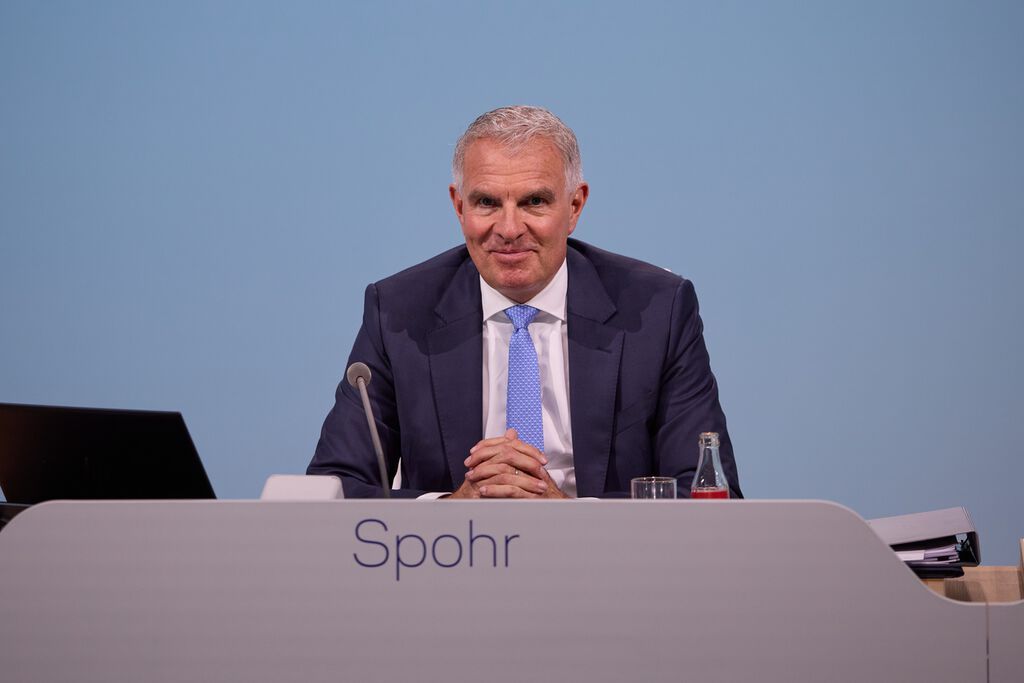
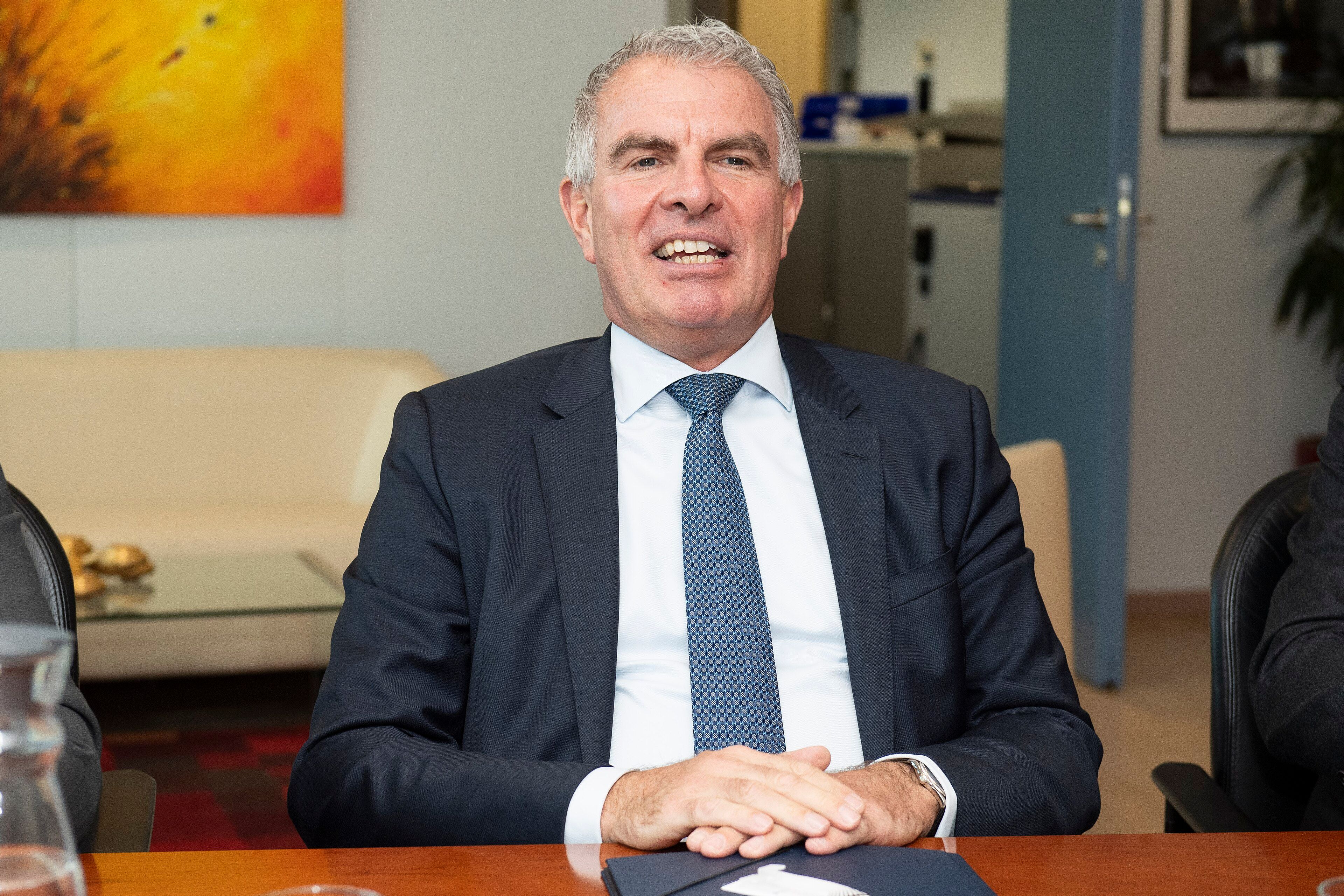
Carsten Spohr, CEO, has demonstrated a track record of appeasing shareholders over the long-term viability of the Lufthansa Group.