Pax Sentinel - Design Flaws Mar New First Class Suite Plus
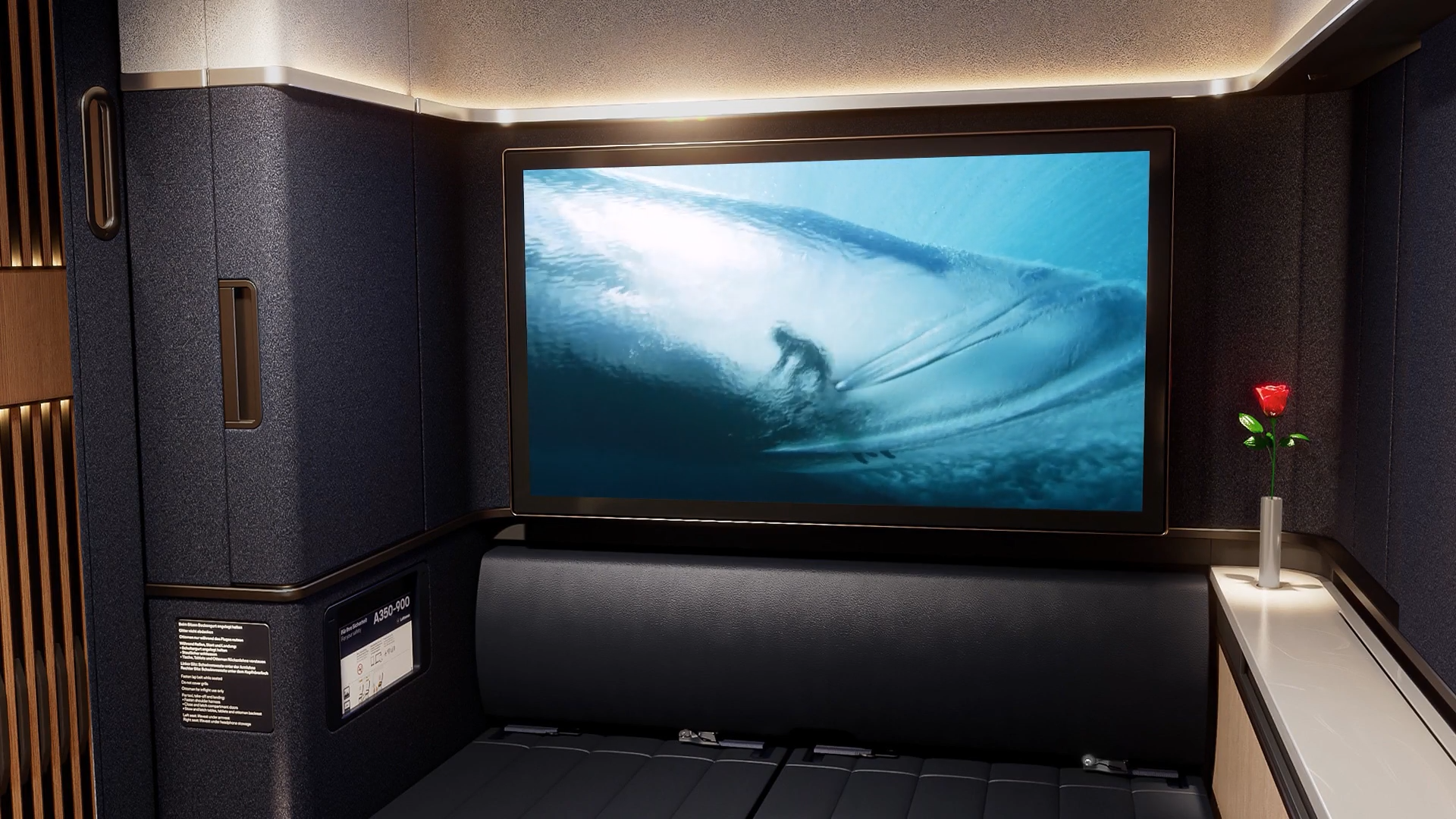
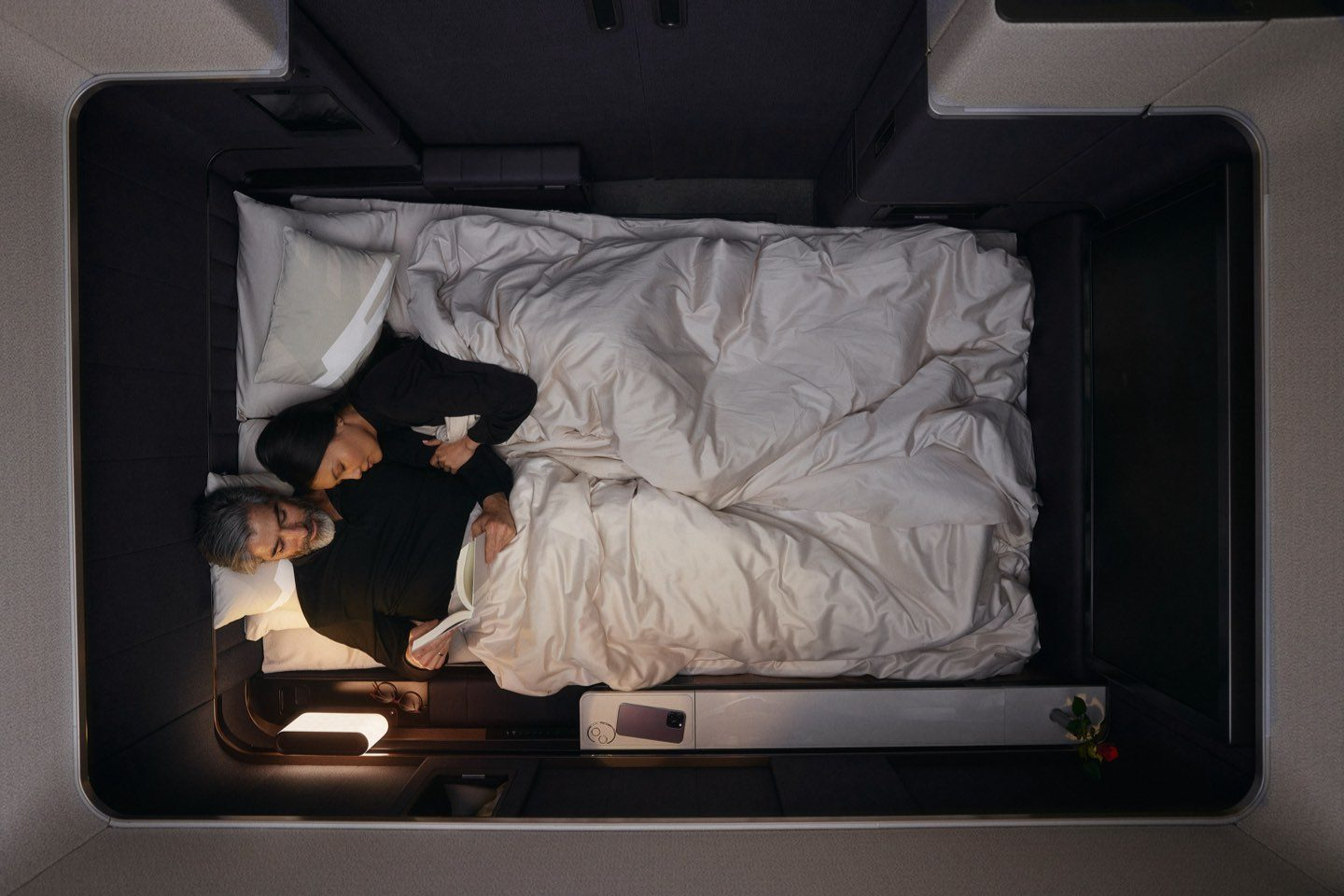
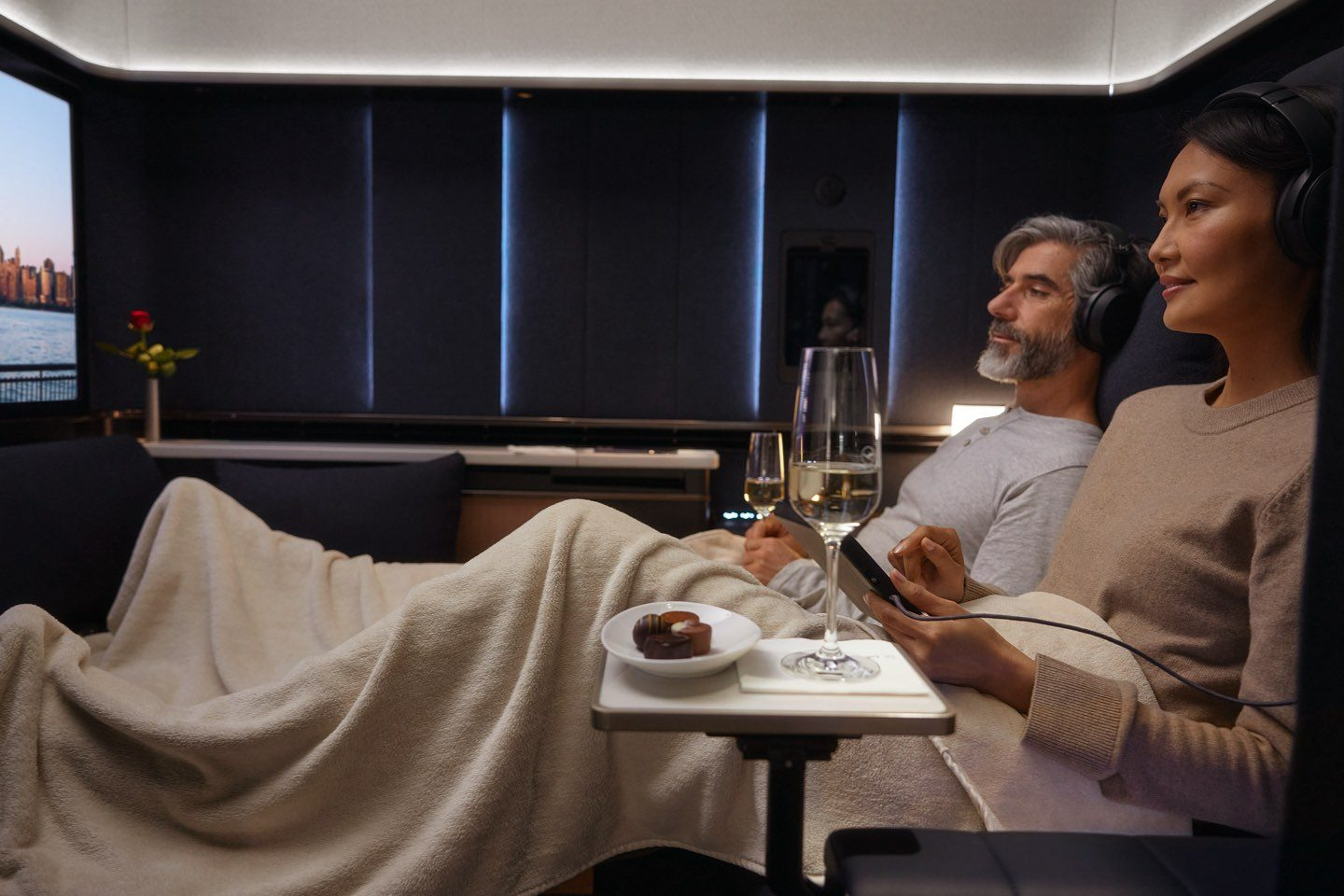
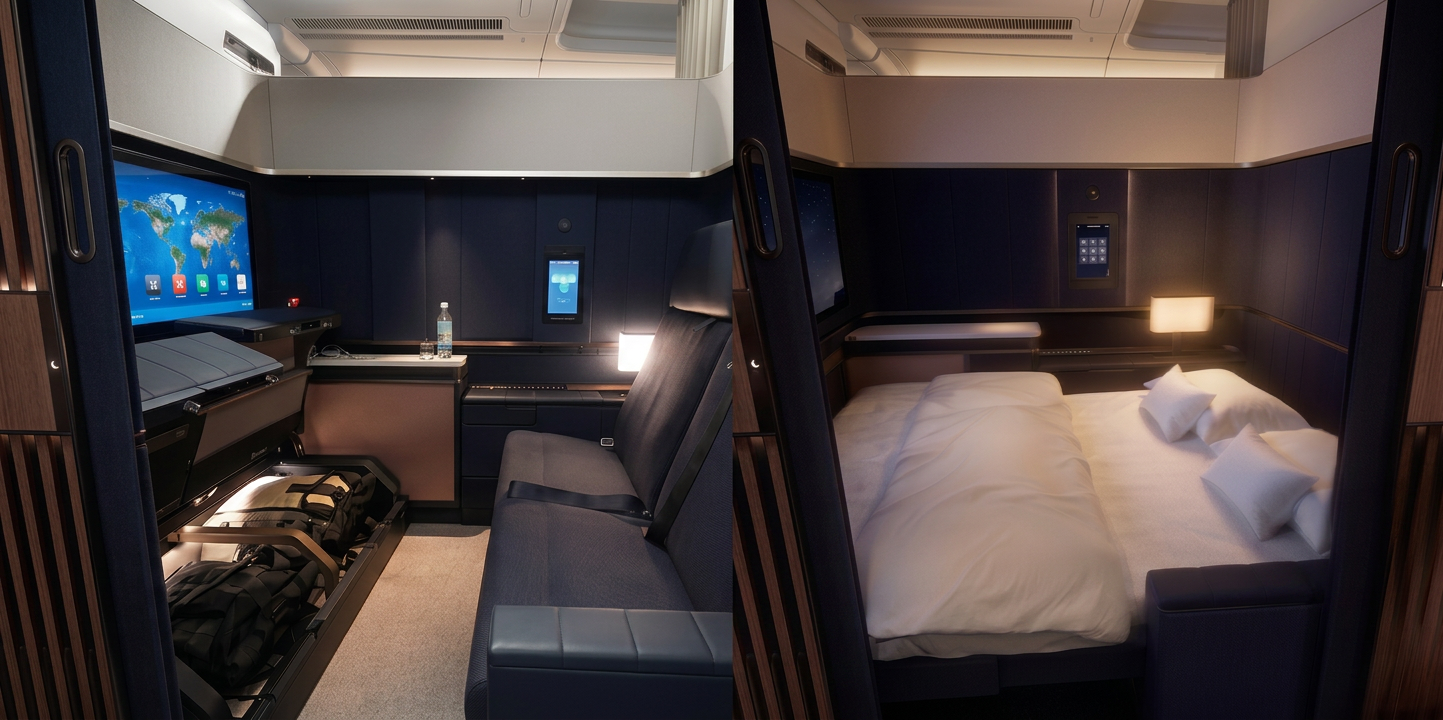
The deployment of the Lufthansa Group's highly publicized "Allegris" First Class cabin has triggered severe pushback from premium travelers confronting significant design deficiencies during long-haul operations. While crew representatives previously issued formal complaints regarding operational and structural flaws in the center "Suite Plus" product on the Airbus A350-900, paying passengers are now detailing the physical realities of the multi-month rollout. Travelers operating on premium long-haul routes report that the double-occupancy suite fails to meet basic service expectations for five-digit first-class fares. The Lack of Individual Screens Among the primary design oversights is the integration of only a single 43-inch entertainment screen and a single shared table for two passengers. This layout forces traveling companions to coordinate their dining, working and viewing schedules, preventing independent use of the space. Because the hardware is completely centralized, individual preferences are entirely compromised. A traveler wishing to rest is subjected to the light and audio choices of their companion, illustrating a critical failure in cabin ergonomics. The Obstructed Aisle Access Furthermore, because the center suite features only one physical exit, the passenger seated next to the cabin wall must climb directly over the other sleeping guest to access the aisle or reach the restroom during flight. This structural bottleneck removes the premium guarantee of direct aisle access for all passengers. The configuration compromises privacy and ease of movement, creating significant physical inconvenience during overnight flights. The Cabin Storage Deficit The physical dimensions of the Airbus A350-900 cabin have forced structural compromises that further impact storage and ergonomics. Lufthansa’s decision to completely eliminate traditional overhead storage bins to create an open ceiling has introduced severe logistical difficulties. Carry-on bags can only be stored inside the compartment beneath the footrest ottoman. Accessing this space requires the seat to be in the upright position. Once the mechanical structure is fully reclined into a flat-bed, the frame physically blocks the storage opening, trapping personal items underneath until the passenger operates the motorized seat controls to return to an upright position. The Shared Dinner Table Additionally, the passenger seated on the aisle side of the suite is provided with only a very small cocktail console, lacking a dedicated individual table for working or eating. Consequently, both travelers are forced to coordinate their meal services to eat at the exact same time, sitting opposite each other at the other guest's large table. Because of this shared dining table configuration, only one passenger can view the television screen during the meal service. The guest sitting with their back to the monitor is completely blocked from viewing any inflight entertainment during dinner, further undermining the premium experience. This operational friction matches a broader pattern of service erosion within the group's premium cabins. High-end passengers already face significant friction on the ground, such as the strict carry-on policing detailed in our report on how [gate agents target premium trolleys](/en/article/kcF8Y173_gate-agents-target-trolleys) to enforce weight limits. Reduced Service Quality The physical design flaws of the Suite Plus are compounded by simultaneous labor reductions. Lufthansa has reduced its dedicated First Class cabin crew staffing, allocating only one dedicated flight attendant to the premium cabin instead of the two historically provided. This reduction in crew size is part of a broader network-wide effort to cut operational costs. The pressure on crews aligns with the findings of our [midyear performance review of Chief Executive Officer Carsten Spohr](/en/article/RLdAb1kG_midyear-performance-review-carsten-spohr-prioritizes-margin-over-mission), which showed a consistent corporate prioritization of profit margins over service quality. These staffing and hardware deficits highlight the growing gap between the airline's premium marketing and its actual operational execution. While the company continues to implement [unbundled premium fares that devalue frequent flyer benefits](/en/article/TxeQc0At_premium-fare-unbundling-devalues-frequent-flyer-benefits), passengers paying five-digit fares for the Suite Plus face compromised service and structural design flaws. This lack of demand and persistent ticket-selling friction previously forced a major commercial retreat, as documented when [Lufthansa scrapped its Allegris First Class surcharges following public backlash](/en/article/LKw5u5aP_allegris-first-class-surcharges-scrapped-following-public-backlash). The elimination of the €2,900 advance booking fee highlights how the carrier's aggressive monetization efforts continue to falter when confronted with clear product deficiencies and passenger dissatisfaction.
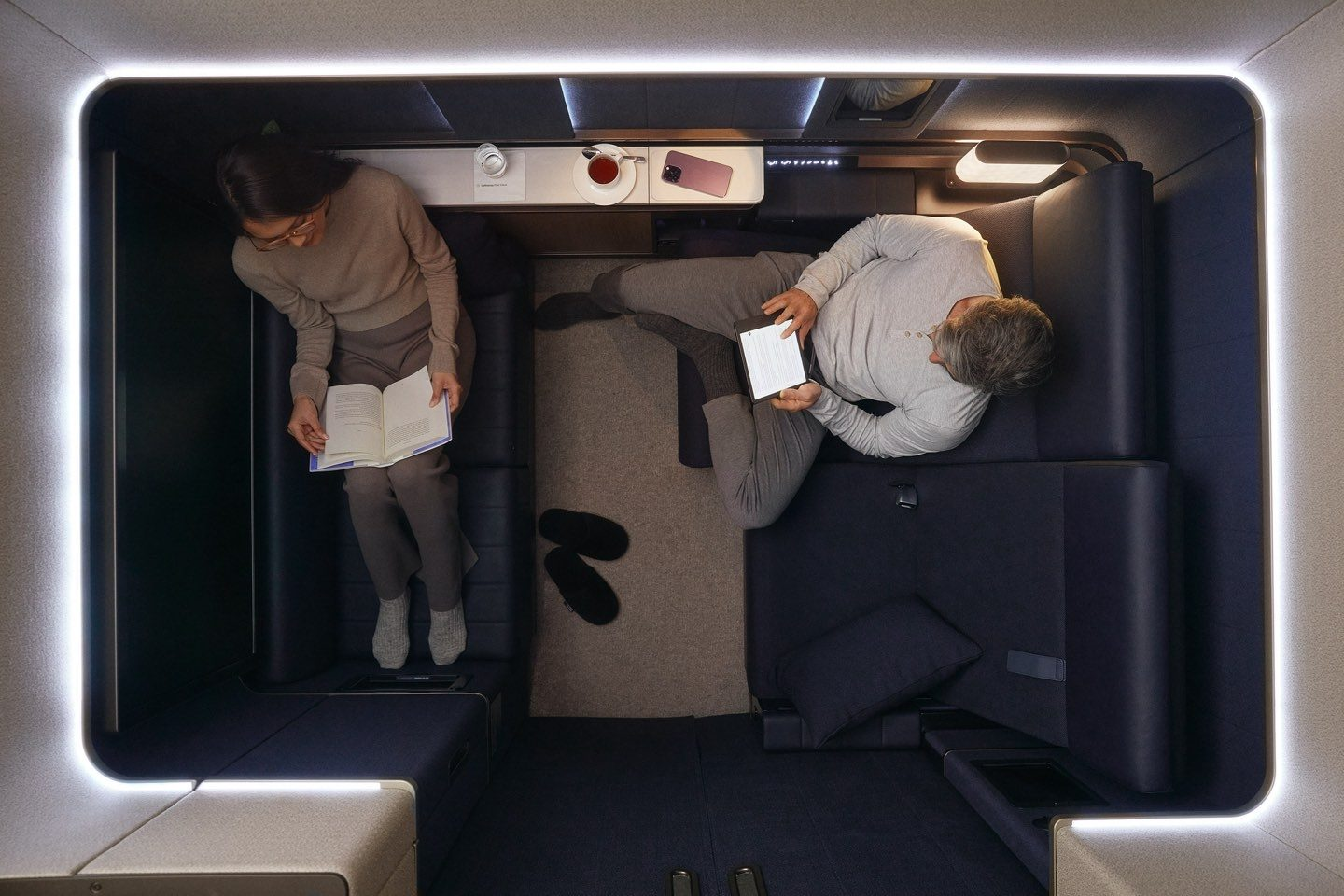
If this overhead view makes the space look cramped, that's because it is.
First class passengers may enjoy a large screen, but no individual choice.
One unlucky passenger will need to climb over their partner to visit the lavatory.
Elbow-to-elbow in Suite Plus, couples must share a screen and precarious side table.
Cabin bags can only be accessed when the seat is upright.