Pax Sentinel - Flydubai Jet Plunges at Near-Supersonic Speed After Cockpit Knife Attack
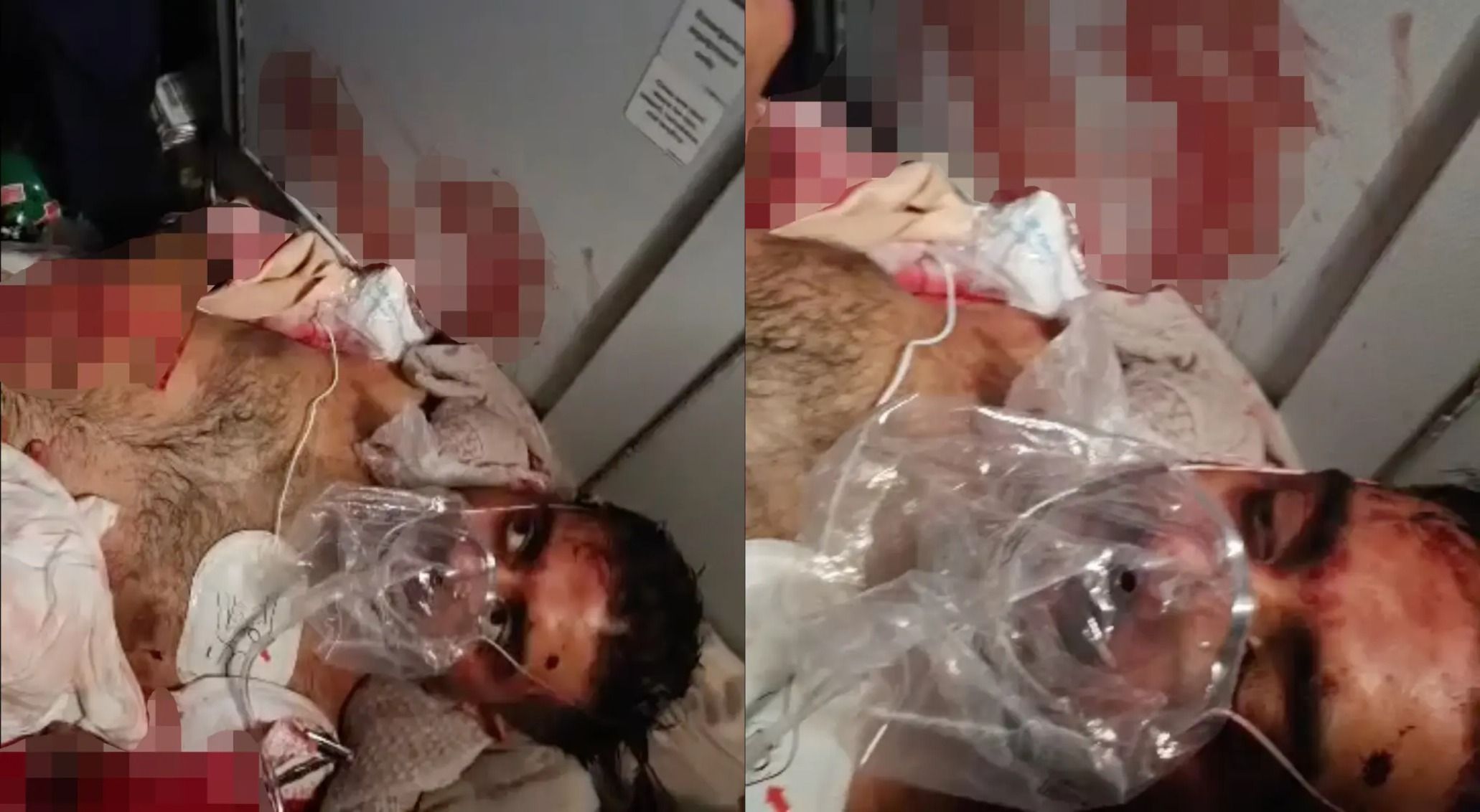
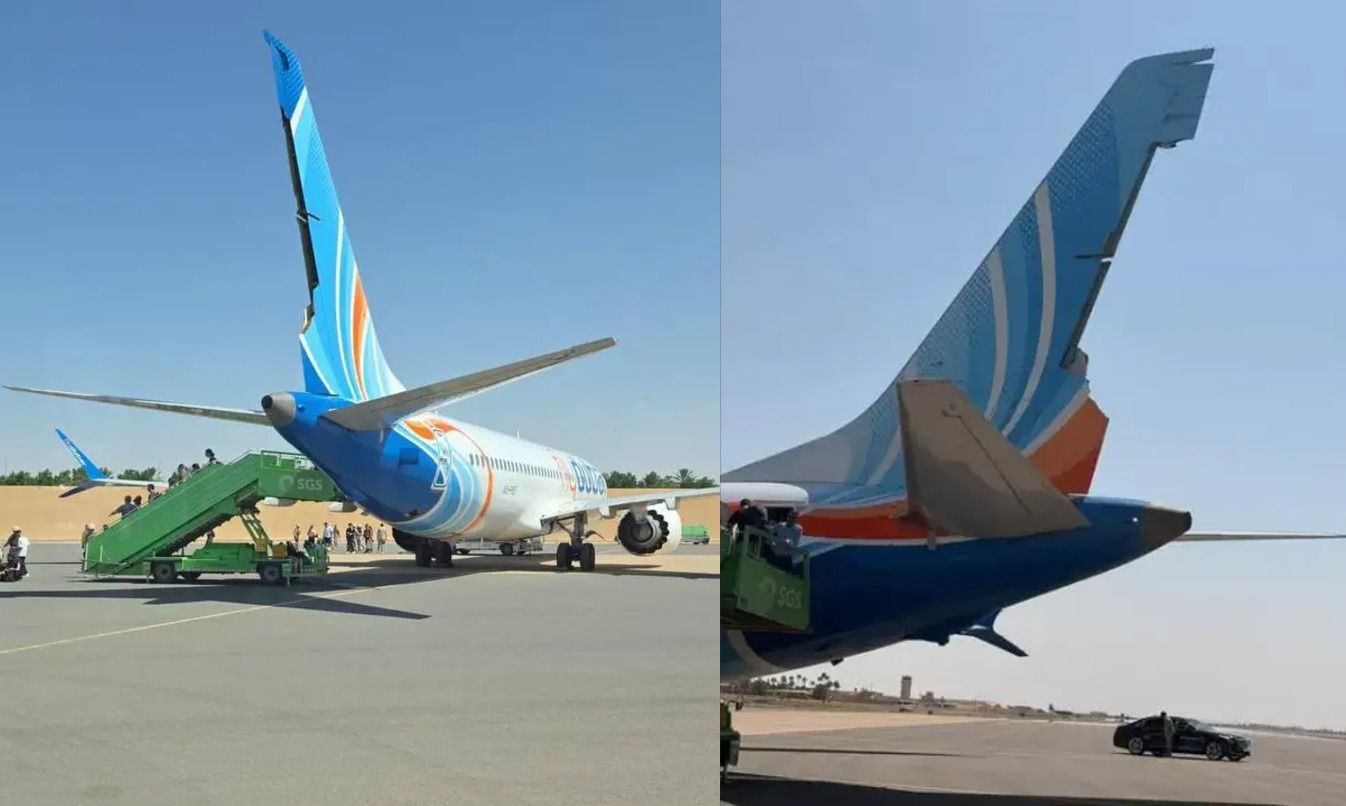
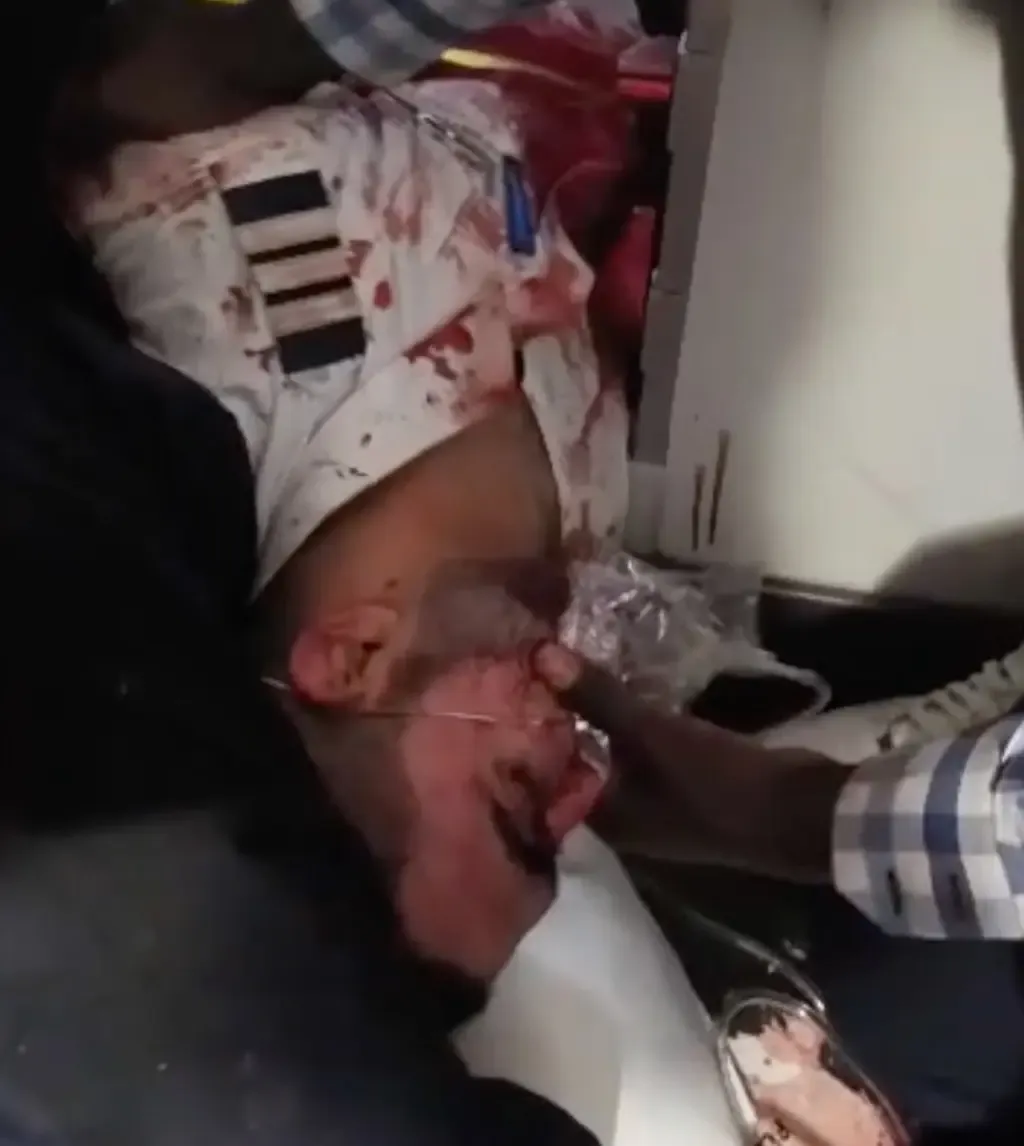
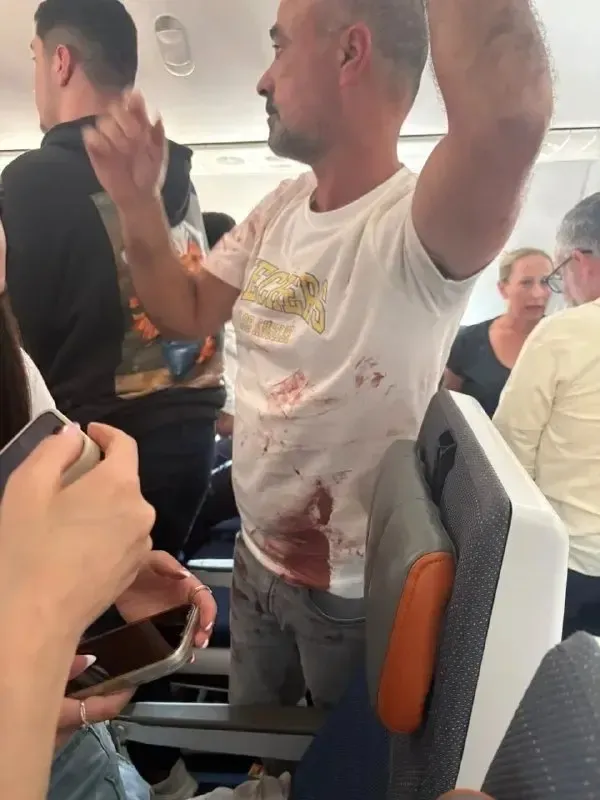
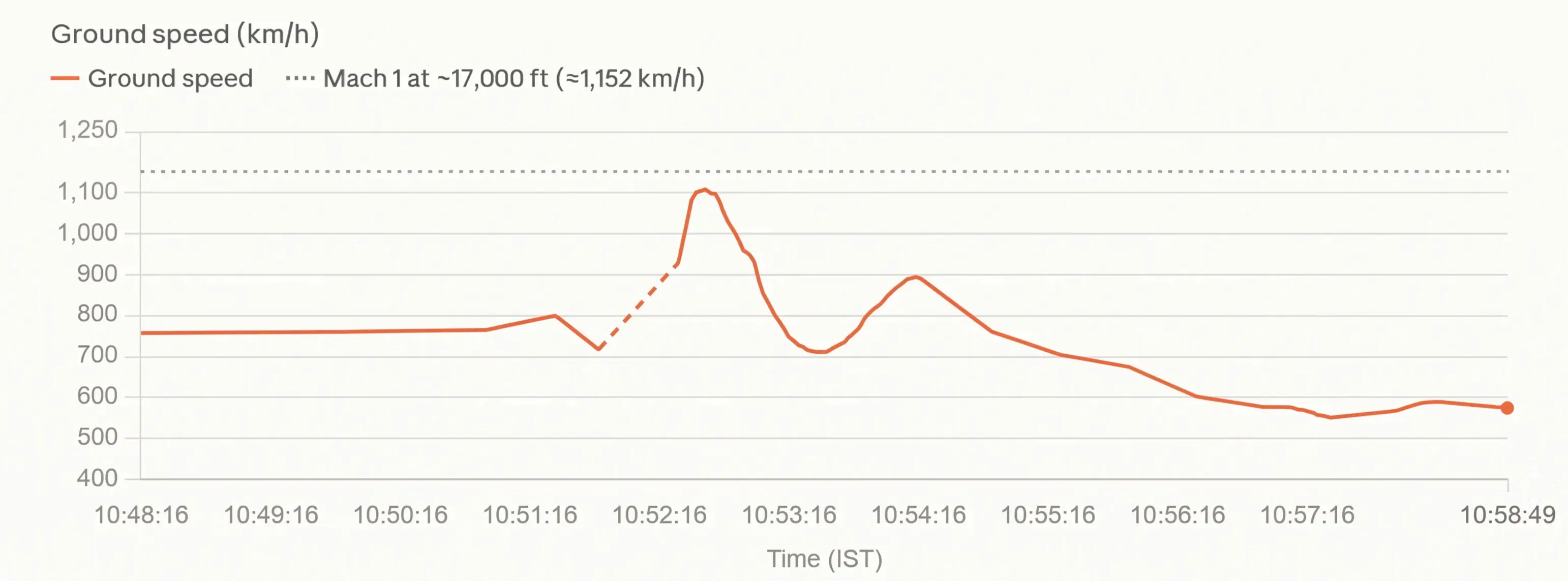
A flydubai passenger flight from Dubai to Tel Aviv made an emergency landing in Tabuk, Saudi Arabia, on Wednesday, September 30, 2026, after a co-pilot attacked and stabbed the aircraft captain inside the flight deck. The incident occurred aboard flydubai Flight FZ1073, a Boeing 737 MAX 8 carrying 174 passengers and six crew members. Roughly two and a half hours after departure from Dubai International Airport, the first officer launched a violent assault against the captain while the aircraft was operating near the Jordanian border. Flight tracking data recorded the aircraft entering an extreme dive, dropping approximately 14,300 feet in 37 seconds from its initial cruise altitude of 34,000 feet. The descent rate reached roughly 23,000 feet per minute, far exceeding standard operational limits of 1,500 to 3,000 feet per minute. Extreme Descent and Airframe Damage Telemetry reviewed by [NDTV](https://www.ndtv.com/world-news/flydubai-smit-machchhar-israel-dubai-saudi-flydubai-flight-dropped-14-300-feet-in-37-seconds-nearly-went-supersonic-12121309) indicated that ground speed peaked at 598 knots (roughly 1,108 kilometers per hour) during the plunge, approaching near-supersonic velocity under prevailing atmospheric conditions. During the descent, the aircraft transponder transmitted emergency code 7700 followed by code 7500, the international signal for unlawful interference. Tarmac photographs taken following the landing in Tabuk revealed significant structural damage to the aircraft's tail section. Large portions of the rudder and the trailing edge of the vertical stabilizer were sheared off, showing that violent aerodynamic loads brought the airframe close to structural failure during the dive and pull-up maneuvers. Cockpit Struggle and Recovery Israeli Prime Minister Benjamin Netanyahu identified the wounded captain as Indian national Capt. Smit Machchhar. Indian Prime Minister Narendra Modi praised Capt. Machchhar as a hero, and the Indian Embassy in the United Arab Emirates reported that he was recovering well following hospital care. Passenger Yaniv Hayun stated that the incident escalated while his wife was waiting near the forward lavatory and alerted him after hearing shouts and commotion behind the armored partition. The cockpit door unlocked shortly afterward. While investigators continue to examine the exact mechanics of the entry, Israeli officials maintain that Capt. Machchhar deliberately unlatched the door before losing consciousness, allowing cabin intervention. Meeting with Mr. Netanyahu at Ben Gurion Airport upon his return to Israel, as reported by [The Times of Israel](https://www.timesofisrael.com/liveblog_entry/israeli-passenger-recounts-to-pm-how-he-subdued-flydubai-attacker-helped-stabilize-plane/), Mr. Hayun said he and another passenger forced their way inside and found the wounded captain lying near the threshold. "When I went in, I saw the terrorist on the controls, between the two seats. There were no pilots in the seats," Mr. Hayun said. "I grabbed the terrorist, put him in a hold, and first of all pulled him outside." Asked by Mr. Netanyahu what the attacker had been doing, Mr. Hayun said, "He was trying to destroy the controls in order to disable the plane." According to an investigative reconstruction published by Italian newspaper Corriere della Sera and reported by [Asia News Network](https://asianews.network/flydubai-attack-omani-co-pilot-may-have-tried-to-shut-down-engines-after-attacking-indian-pilot/), investigators are examining whether Mr. al-Hammami moved both engine fuel switches from "Run" to "Cutoff" during the struggle. The sudden loss of main electrical generators caused the aircraft to switch to emergency battery power, triggering the cabin emergency lights. With the rudder and vertical stabilizer already damaged by aerodynamic forces, relighting the engines in flight presented severe danger. If the turbofans produced uneven thrust without an intact rudder to counteract the imbalance, the aircraft could have rolled uncontrollably before the off-duty pilots managed to restore control. After calling on other passengers to restrain the man in the aisle, Mr. Hayun returned to the flight deck as the aircraft was tilting sharply in a rapid dive. Mr. Hayun said he pulled backward on the controls to arrest the descent, noting that he reacted based on knowledge from aviation documentaries. In the cabin, passengers restrained the first officer using charging cables and headphone cords. Dr. Shota Musaev, an Israeli dentist traveling aboard, administered emergency treatment to Capt. Machchhar, managing severe head and hand lacerations and substantial blood loss. Mr. Musaev reported that the co-pilot, identified as Hamam al-Hammami, asked to be killed during this period. Two off-duty flydubai pilots traveling as passengers assumed control, leveled the aircraft near 15,000 feet, and directed the diversion to Prince Sultan bin Abdulaziz International Airport in Tabuk, landing safely at 9:45 a.m. local time. Weapon Inquiries and Motive Investigators are reviewing how the assailant obtained his weapon. In broadcast interviews with CBS News and Fox News, reported by [CNN](https://edition.cnn.com/2026/10/01/world/live-news/flydubai-flight-israel-pilot-passengers-intl?post-id=cmupi18z4000w3b6sltmnp5jt), Mr. Netanyahu said Capt. Machchhar had been stabbed or struck with an axe. He raised two possibilities: either the co-pilot bypassed pre-flight metal detection with a knife or retrieved the standard emergency crash axe stored inside the cockpit. Multiple reports identified the co-pilot as 29-year-old Omani national Hamam al-Hammami. Mr. al-Hammami had worked for flydubai for approximately eight to nine months. Security officials briefed on joint interrogations conducted in the United Arab Emirates with Israeli intelligence personnel reported that Mr. al-Hammami confessed he acted in retaliation for the war in the Gaza Strip and intended to die as a martyr. According to interrogation disclosures, Mr. al-Hammami planned to incapacitate the captain, obtain landing clearance into Tel Aviv under normal communications, and deliberately crash the aircraft into terminal infrastructure at Ben Gurion Airport or high-rise urban structures. Investigators found he had also designated an American military installation in Jordan as a secondary target if Tel Aviv could not be reached. Mr. al-Hammami admitted that his plot predated his hiring by flydubai. He stated that he deliberately researched commercial carriers operating scheduled routes into Tel Aviv and applied to flydubai specifically to obtain access to Israeli airspace. Investigators also learned that he had crewed a flight to Tel Aviv earlier in 2026 and considered executing an attack on that earlier service before abandoning the attempt. Oman Air had suspended Mr. al-Hammami from flying in 2024 after company officials found extremist materials in his possession, transferring him to an administrative desk position before he left the company. While U.S. President Donald Trump suggested a potential Iranian connection, Israeli security officials stated they had found no evidence linking the incident to Tehran, assessing the co-pilot as a self-directed lone actor. In its first public statement on the incident, the Saudi Interior Ministry announced that both the captain and the first officer were medically cleared and transferred from Tabuk to Abu Dhabi on Thursday morning, October 1. The ministry said Saudi authorities conducted initial investigations alongside Emirati security teams. Authorities in the United Arab Emirates opened a formal investigation to determine whether the assault was tied to any terrorist organization or involved advance coordination. Clearance and Diplomatic Protocols Regional authorities identified the first officer as an Omani national who had worked for flydubai for roughly eight to nine months. Mr. al-Hammami's presence on the flight deck prompted scrutiny because Oman and Israel do not maintain formal diplomatic relations. Aviation security protocols governing commercial flights into Israel restrict flight crews to nationals of countries with bilateral diplomatic ties. An Israeli security official told CNN that Israel's internal security agency, the Shin Bet, is responsible for vetting airline personnel assigned to flights entering Israel from the United Arab Emirates under side agreements. Investigators are reviewing whether the vetting mechanism failed to review the co-pilot or approved him despite the diplomatic restriction. Mr. Netanyahu acknowledged the clearance breach, noting that while Israeli constraints prohibit pilots from countries without bilateral relations, the first officer bypassed that screening. In an official statement, flydubai said an altercation occurred on the flight deck and confirmed full cooperation with multinational civil aviation and law enforcement bodies. Scheduled operations between Dubai and Tel Aviv remain temporarily suspended pending the outcome of security assessments. This article was updated on October 6, 2026, with updated details.