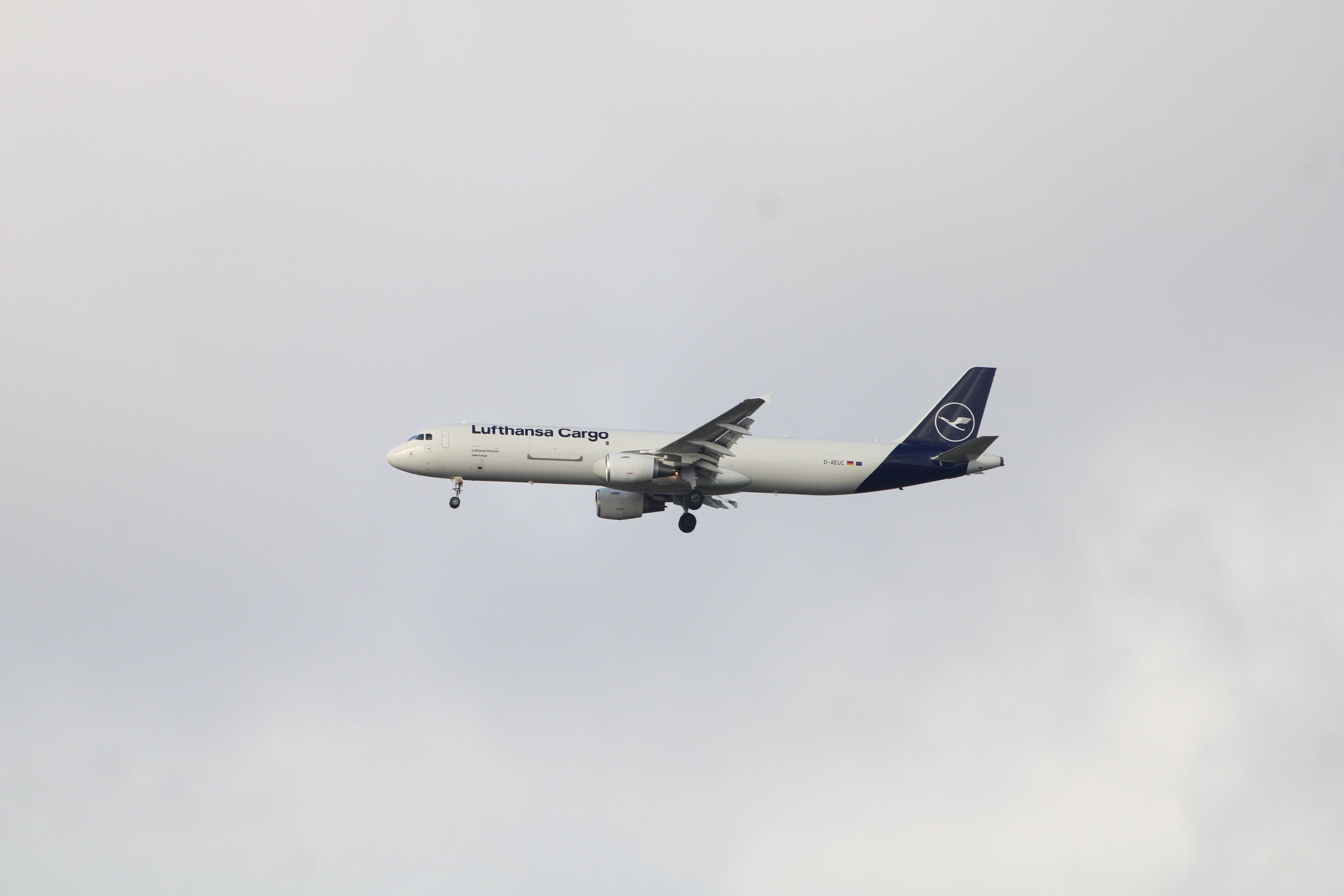
Pax Sentinel - Lufthansa Cargo Divests Freighter Fleet Amid Planning Failures
Lufthansa Cargo is reportedly seeking to divest its fleet of four Airbus A321 converted freighters. The company has removed its brand logo from these aircraft, indicating a departure from previous plans. This action contradicts earlier assertions of a planned return to service for these cargo planes. The airline is reportedly attempting to either return the aircraft to their lessor or sublease them, as observed by FreightWaves. Cargo Fleet Strategy The initial deployment of these converted freighters aimed to enhance Lufthansa Cargo's intra-European network. The first aircraft, registered D-AEUC, commenced operations in early 2022. The fleet expanded to four aircraft by late summer 2023, each designed to transport 28 tons of payload. The operational mandate for these freighters was initially assigned to Lufthansa CityLine, a subsidiary intended to provide crews and logistical support. The program was intended to capitalize on growth in e-commerce and regional cargo demand. Operational Challenges In early January 2024, the entire A321F fleet experienced a temporary grounding after cracks were detected in the aft fuselages of two aircraft, including D-AEUC. This incident raised concerns regarding the structural integrity of the passenger-to-freighter conversion design, with reports suggesting a heavy ballast fixture may have contributed to the cracking. While two aircraft eventually resumed service, D-AEUC remained grounded. The need for their capacity diminished as Lufthansa's regional freight customers could be served via existing passenger aircraft belly space and trucking networks. Strategic Reversal The primary catalyst for the divestment was the accelerated closure of Lufthansa CityLine in mid-April 2026. This decision, attributed to surging fuel costs, geopolitical events, and labor disputes, removed the operational platform for the A321 freighters. However, metadata embedded in official communication from Lufthansa Group later revealed that the liquidation of Lufthansa CityLine was planned at least five months before its public announcement and implementation, as detailed in the Pax Sentinel report, [Metadata Exposes Preplanned Subsidiary Liquidation](/en/article/QkW6dZ4T_metadata-exposes-preplanned-subsidiary-liquidation). This pre-planned closure contradicts corporate claims that the shutdown was an emergency response to labor strikes. It indicates a significant lack of strategic foresight regarding the A321 freighter program, which relied on CityLine for operation. Lufthansa Cargo has since stripped its branding from the grounded aircraft, which are currently parked at Frankfurt International Airport. Industry sources indicate that the A321 freighters did not meet performance expectations. Further, the broader A321 freighter market has experienced a downturn, with other operators idling fleets due to soft demand. This market condition contributed to Lufthansa Cargo's decision to exit the segment. Lufthansa Cargo's reported actions reflect a focus on streamlining operations, potentially at the expense of previously stated long-term plans. This approach mirrors the group's broader strategy of prioritizing financial interests over consistent operational commitments, a pattern consistent with the aggressive consolidation tactics previously noted by Pax Sentinel in its report, [/en/article/11LwoUEW_spohr-confesses-to-market-consolidation-monopolization](/en/article/11LwoUEW_spohr-confesses-to-market-consolidation-monopolization).