Pax Sentinel - Zurich Replaces Night Flight Ban With Progressive Noise Surcharges
A controversial popular initiative seeking to enforce a strict seven-hour night flight ban at Zurich Airport has been withdrawn, clearing the way for a parliamentary counter-proposal that introduces progressive noise surcharges for late-night departures and landings. The decision to abandon the initiative was finalized on August 12, 2026, after the initiative committee voted three-to-two to withdraw the measure. Three representatives from the association "Fair in Air" outvoted two members of "Fluglärmsolidarität" (Aircraft Noise Solidarity), avoiding a public referendum, which is a direct democratic vote. The original initiative demanded an absolute curfew between 11:00 p.m. and 6:00 a.m. at Switzerland's largest airport. However, the Zurich Cantonal Council overwhelmingly rejected the proposal in a 171-to-5 vote, determining that a total local flight ban contradicts Swiss federal aviation law. Instead, lawmakers approved a legislative counter-proposal by a 105-to-71 margin. The measure maintains standard operating hours from 6:00 a.m. to 11:00 p.m., while targeting the 30-minute delay buffer between 11:00 p.m. and 11:30 p.m. with escalating financial penalties. Financial Penalties Under the newly adopted framework, airlines operating flights during the late-night delay window will face progressive noise surcharges, making late-night operations increasingly costly. The counter-proposal also mandates an annual debate within the cantonal council to track noise exposure trends in surrounding residential communities. Fluglärmsolidarität strongly criticized the withdrawal, describing it as a failure that deprives the electorate of a direct vote on aircraft noise. The group stated that financial surcharges fail to provide meaningful relief from late-night flight disruptions. In contrast, Fair in Air defended the withdrawal, calling the legislative counter-proposal a viable compromise. The group had indicated in March 2026 that it would step back if lawmakers approved the fee-based alternative and no counter-referendum was launched. Hub Operational Relief The withdrawal provides significant operational relief for Swiss International Air Lines (SWISS), the airport's primary carrier. Zurich Airport serves as the primary hub for SWISS, where the airline routes connecting flights through a central node to coordinate its international network. SWISS relies heavily on the late-night delay buffer to absorb late arrivals and maintain operational integrity across its transatlantic routes. Preserving these flight windows protects the carrier's commercial throughput at its most lucrative operational base. The Lufthansa Group, parent company of SWISS, continues to rely on the profitability of its Swiss operations. While the German flagship carrier operates on razor-thin margins, [SWISS generated a robust operating profit of €600 million](/en/article/11LwoUEW_spohr-confesses-to-market-consolidation-monopolization) in the 2025 fiscal year. This profitability is further reinforced by the airline's dominant position in Zurich, where a near-total market monopoly has contributed to [surging air travel costs across Switzerland](/en/article/ZdTbQ5O7_monopoly-control-fuels-surging-swiss-airfares) over the past five years. With the initiative officially withdrawn by its sponsors, the legislative counter-proposal will take effect without going to a popular vote, establishing noise penalties as the primary mechanism for regulating late-night flights at the Swiss hub.
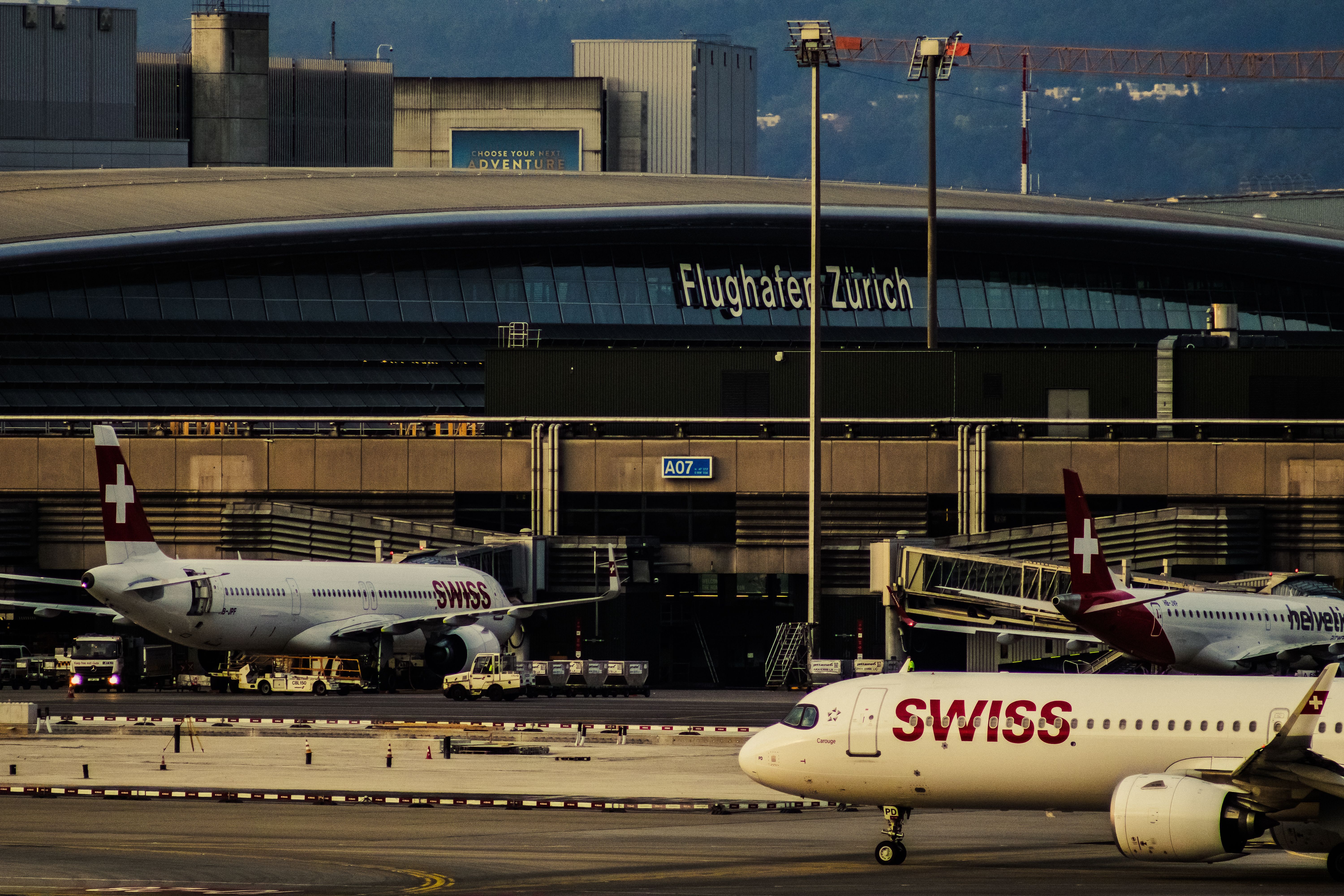
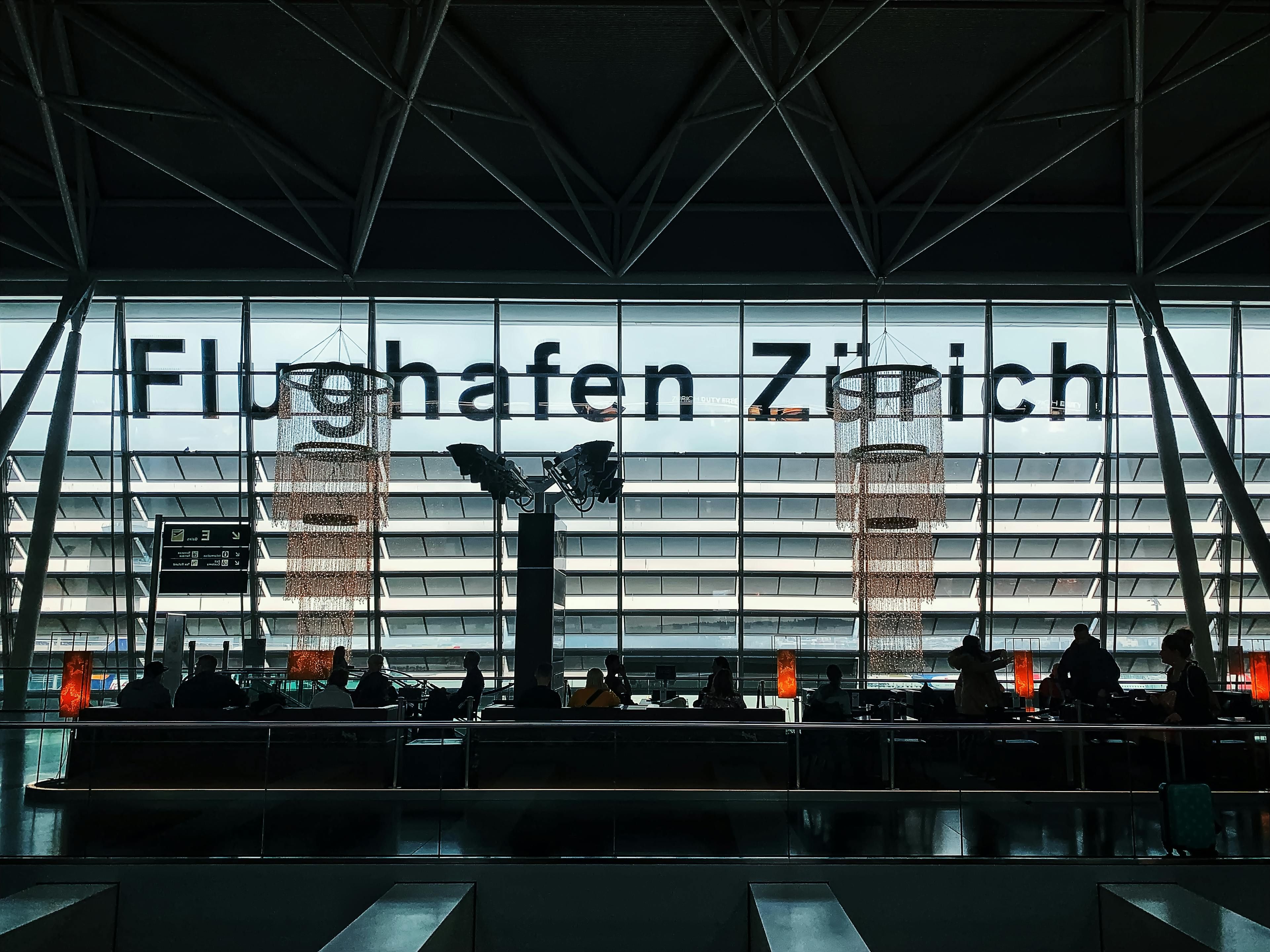
Zurich Airport swapped night flight ban for surcharges.