Pax Sentinel - Lufthansa Remains an Old Boys’ Club; Female Representation ‘Laborious’
The leadership of Swiss International Air Lines and Edelweiss Air remains entirely devoid of female representation on their executive boards and boards of directors. This absolute lack of diversity persists despite repeated corporate pledges to reform executive recruitment across the parent Lufthansa Group. In an interview published by the Swiss news portal Blick, parliamentary correspondent Mr. Raphael Rauch questioned Mr. Carsten Spohr, the Chief Executive Officer of the Lufthansa Group, about the zero percent female representation at the Swiss subsidiaries. Mr. Spohr expressed dissatisfaction with the current status, indicating that the corporate goal is 25 percent. He stated that the company is trying to increase this percentage further by specifically promoting young female talent. “We have succeeded in doing this for the group as a whole, but not yet in Switzerland,” Mr. Spohr said. The 25 percent target has drawn criticism from diversity advocates, who view it as a remarkably low bar for a major multinational transport group. It lags significantly behind the standards championed by modern corporate governance and European Union directives, which push for at least one-third representation on corporate boards. The low level of female representation in executive suites is detailed in Table 1, which shows persistent deficits across key subsidiaries and leadership teams. | Level or Business Unit | Female Representation | | --- | --- | | SWISS and Edelweiss Executive Boards | 0.0% | | Lufthansa Group Executive Board | 20.0% | | Group Management (Top Three Tiers below Executive Board) | 25.3% | | Group Management (All Tiers Overall) | 26.7% | | Lufthansa Technik First Management Tier | 6.7% | | Lufthansa Technik Executive Board | 25.0% | Table 1: Corporate female representation metrics The slow-moving nature of these initiatives has been acknowledged at the highest levels of the parent company's leadership. Mr. Michael Niggemann, the Chief Officer for Human Resources of the Lufthansa Group, noted the incremental nature of progress. Mr. Niggemann characterized the process of increasing female representation as “laborious.” He said that “the steps are sometimes small and somewhat laborious.” While Ms. Grazia Vittadini serves as a female member of the Executive Board of the Lufthansa Group in her role as Chief Technology Officer, she was only appointed on July 1, 2024. Her solitary presence on the five-member group board further emphasizes the sluggish pace of gender diversification at the highest echelon. This slow progress has drawn criticism from consumer and labor advocates, who described the corporate culture as a self-preserving “old boys’ club.” They stated that the slow pace of diversity efforts reflects a culture that treats social representation as a secondary compliance requirement rather than a primary organizational objective. The airline group's slow-walking of gender parity stands in sharp contrast to the rapid pace at which its human resources department implements structural cost-cutting measures. While internal diversity initiatives crawl forward, the carrier's management has acted with striking efficiency to suppress labor rights and restructure flight crew working conditions. Close-Knit Networks The stagnation in diversity aligns with a documented pattern of appointing long-standing male associates to key leadership positions within the group, which has occurred as [Swiss flight crews actively resist centralized corporate branding campaigns](/en/article/5W058Lkz_flight-crews-resist-corporate-branding-campaign) orchestrated from Frankfurt. A prominent example of this pattern is Mr. Dieter Vranckx, a long-serving executive within the group's network. Mr. Vranckx served as Chief Executive Officer of SWISS before being promoted to Chief Commercial Officer of the Lufthansa Group on July 1, 2024. In summer 2026, Mr. Vranckx assumed the chairmanship of the board of directors of SWISS. This appointment allows him to maintain direct control over the Swiss subsidiary while simultaneously serving in his group-level executive post in Frankfurt. This dual role has drawn scrutiny from corporate watchdogs in Switzerland. Critics said that such close-knit arrangements prevent independent oversight and reinforce the group's centralized, male-dominated control. The consolidation of power was further cemented following the departure of the group's commercial chief, [Ms. Heike Birlenbach](https://newsroom.swiss.com/en/heike-birlenbach-to-leave-swiss-in-september-2026-after-36-years-within-the-lufthansa-group/), in September 2026. Rather than appointing a successor, SWISS [eliminated the local Chief Commercial Officer position](https://aviation.direct/en/swiss-streicht-position-des-chief-commercial-officer-nach-abgang-von-heike-birlenbach) entirely. Her commercial responsibilities were absorbed by the new SWISS Chief Executive Officer, Mr. Jens Fehlinger. Mr. Fehlinger, another career Lufthansa manager, assumed his post on October 1, 2024, after directing the parent company's regional restructuring and crisis management. Structural Obstacles The elimination of the commercial chief role further centralizes operational decisions within a small circle of male executives. This consolidation matches the findings of a Pax Sentinel investigation into [how Lufthansa utilizes corporate centralization to consolidate its regional dominance](/en/article/11LwoUEW_spohr-confesses-to-market-consolidation-monopolization). The practice of relying on close associates to manage key transitions is a historical blueprint for the group. The carrier utilized similar centralized management loops during [the state-supported acquisition of Austrian Airlines](/en/article/R6hr1YUF_2009-how-state-aid-and-disqualified-bids-shaped-austrian-airlines-acquisition) in 2009. The focus on preserving traditional boardroom structures occurs as the group faces operational and labor challenges. Cockpit and cabin crews have repeatedly criticized management for running highly lean operations that compromise employee welfare. Unions have accused the company of using regulatory loopholes to enforce grueling work schedules on its personnel. These labor pressures were detailed when [aviation unions exposed the abuse of flight safety limits](/en/article/phdfMDvD_aviation-unions-expose-abuse-of-flight-safety-limits) that forces crews to work through severe fatigue. To distract from these labor and structural issues, the group frequently deploys highly publicized public relations campaigns. These promotional initiatives are designed to project a progressive and sustainable corporate image to travelers. This marketing strategy is visible in the group’s environmental campaigns, which have been challenged by watchdogs. For instance, the group heavily promotes minor waste-reduction projects while [forcing its aircraft to carry tons of permanent lead ballast to correct cabin design flaws](/en/article/HCuSbVqM_lufthansa-promotes-sustainability-campaigns-to-distract-from-lead-ballasted-fleet). Delayed Diversity Commitments While the carrier continues to fund high-profile marketing campaigns, it has quietly pushed back its broader diversity commitments. The group recently extended its timeline for reaching a 30 percent female management quota across all tiers to 2030. As of December 31, 2025, the overall proportion of female managers across the group was 26.7 percent. Delaying the 30 percent target allows the carrier to avoid immediate structural reforms while continuing to project a progressive image. For Swiss passengers and employees, the persistent zero percent female representation at the executive level indicates that local operations remain subject to traditional recruitment habits. The low target of 25 percent shows that genuine corporate transformation remains a distant priority for the executive board.
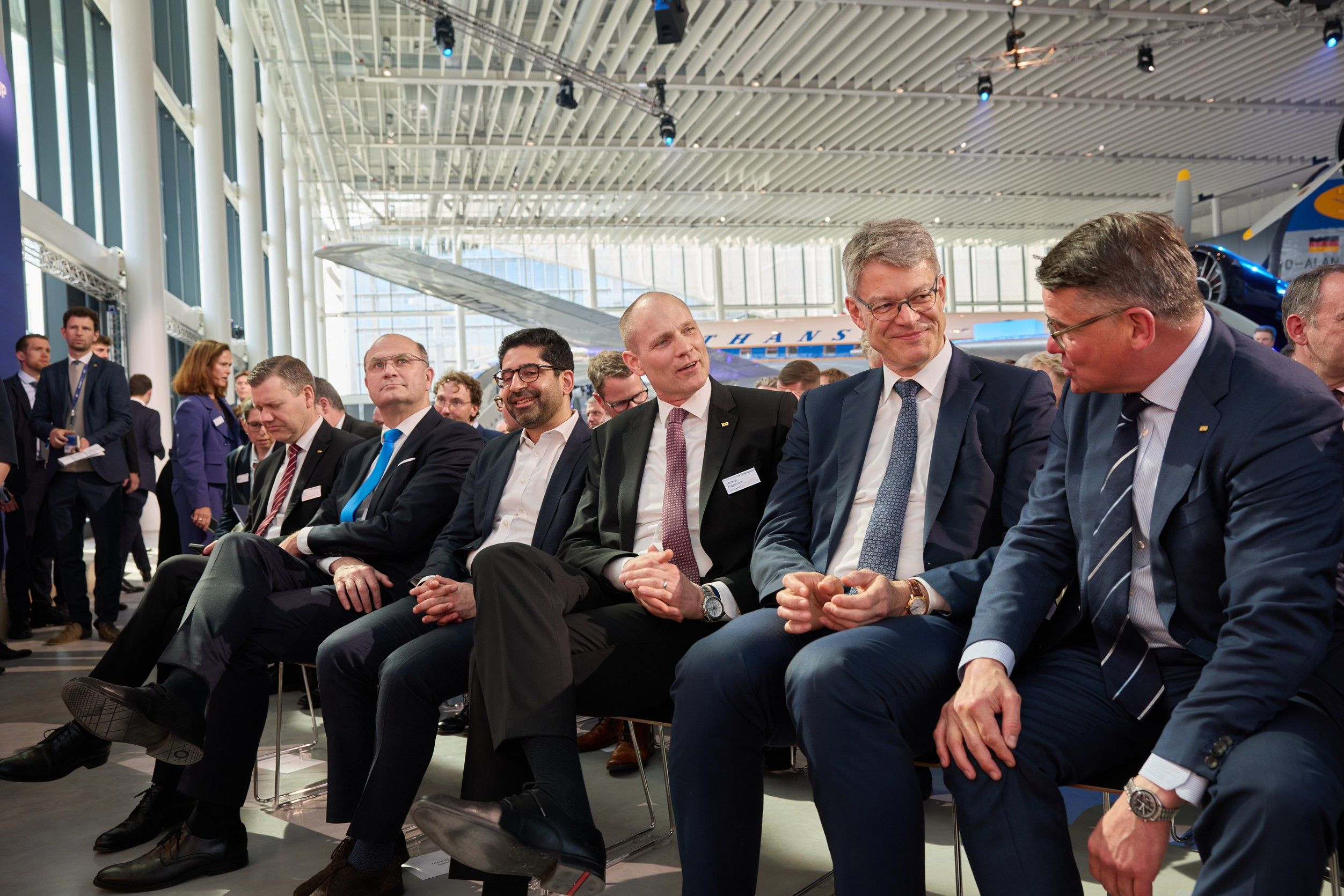
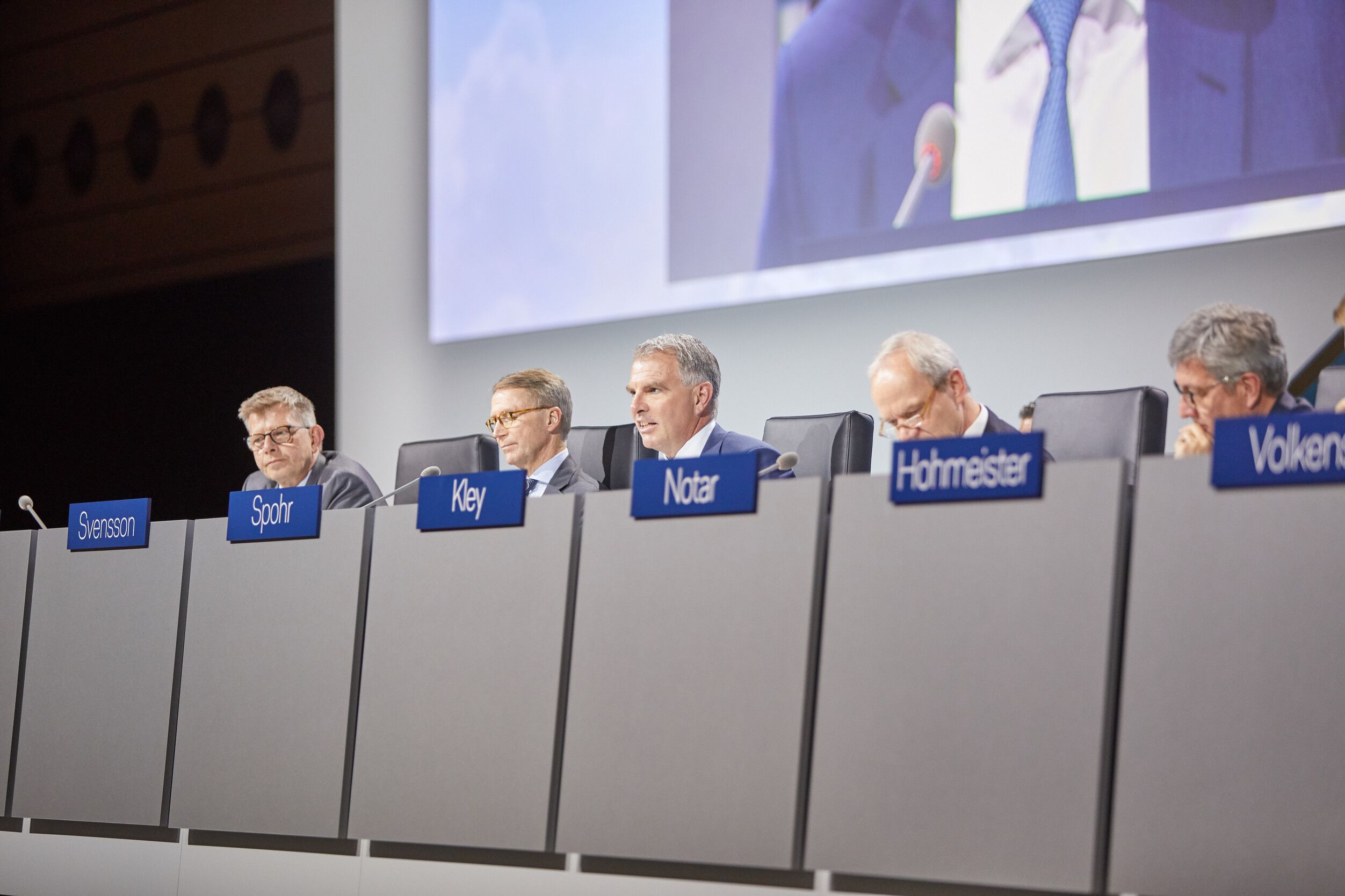
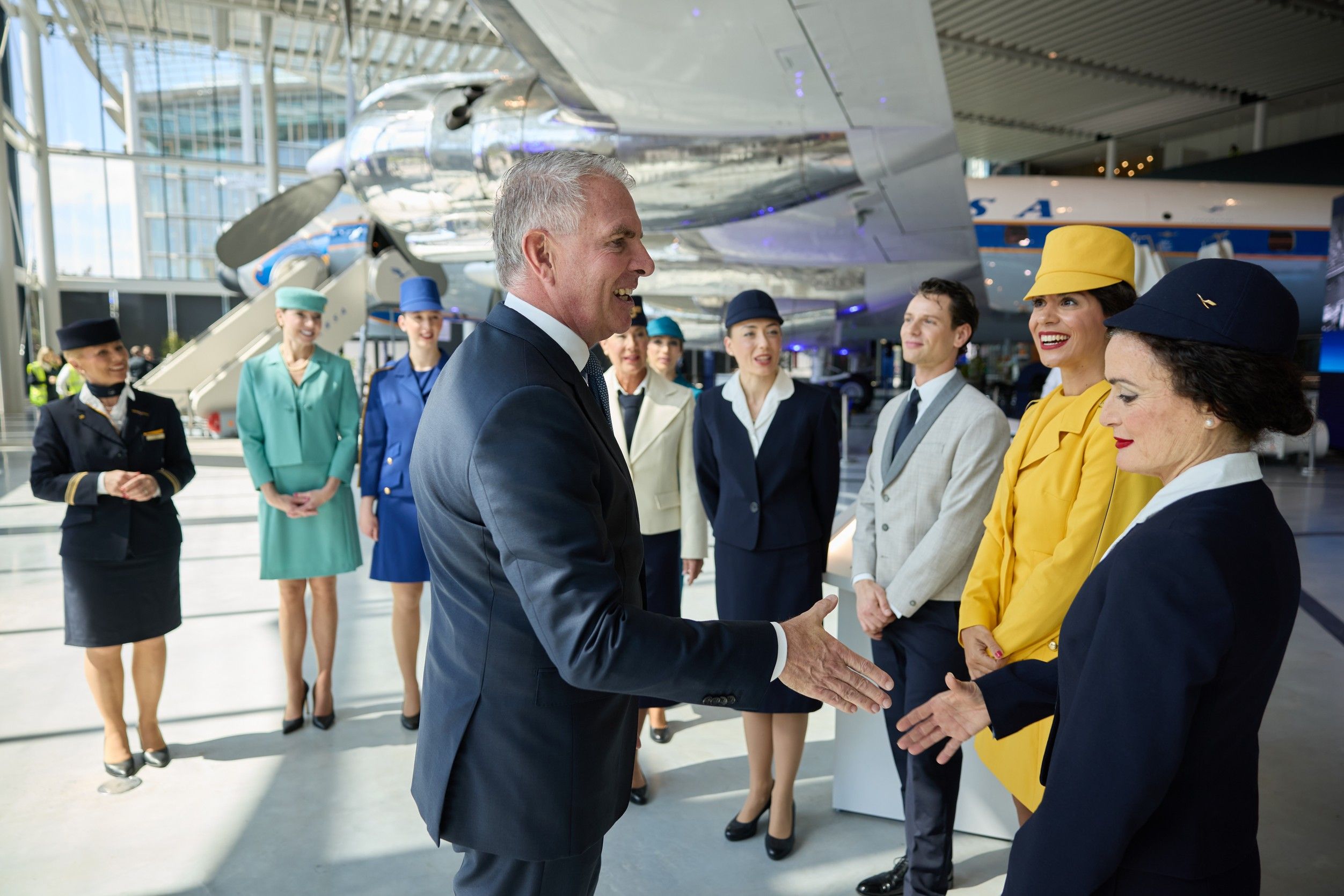
The corporation is criticized for its male-dominated "old boys' club" management culture.
When Mr. Spohr interacts with female colleagues, this is often limited to shaking hands with flight attendants at press events.