Pax Sentinel - Monopoly Control Fuels Surging Swiss Airfares
Air travel costs in Switzerland have risen by nearly 70 percent over the past five years, marking a dramatic increase in the cost of transport for everyday consumers. Data from the latest Leisure Price Index published by the independent Swiss comparison service Comparis on July 28, 2026, shows that travelers are paying significantly more for flights compared to 2021 levels. The study indicates that the upward trend in airfares is unlikely to subside in the near future. Financial analysts project that ticket prices will rise further over the next 12 months, driven by escalating fuel prices, rising labor costs and higher maintenance expenditures across the aviation sector. While airlines point to these external macroeconomic pressures as the primary drivers of the price increases, consumer advocates argue that the parent Lufthansa Group is exploiting its dominant position in the Swiss market to expand its profit margins. Mr. Michael Kuhn, a financial expert at Comparis, said that business class tickets in particular are expected to experience continued price escalation. He noted that the lack of competitive pressure allows carriers to enforce these higher tariffs without losing customers. This lack of competition is directly linked to the near-total monopoly operated by Swiss International Air Lines. Since its acquisition by the Lufthansa Group, the carrier has secured a dominant grip on the nation's key airports, leaving travelers with virtually no alternative options. According to the 2022 Zurich Airport Annual Report, airlines belonging to the Lufthansa Group carried 67 percent of all passengers at the airport. Furthermore, SWISS and its subsidiary Edelweiss Air accounted for nearly 90 percent of all transfer passengers. "Supply remains limited, there is less competition and customers are less sensitive to price changes," Mr. Kuhn said. By controlling the vast majority of takeoff and landing slots in Zurich and Geneva, SWISS can restrict capacity in its premium cabins, which comprise high-fare business and first-class seats, to inflate prices. This market dominance ensures that affluent passengers have no choice but to pay the elevated tariffs. Premium Class Yield Optimization The escalation in air travel costs stands in sharp contrast to other segments of the Swiss hospitality and tourism sector. Over the same five-year period, hotel prices in Switzerland rose by just under 14 percent, a fraction of the increase recorded in the aviation industry. Meanwhile, non-hotel accommodation prices actually decreased. Prices for alternative lodging options, including camping sites, holiday apartments and bed-and-breakfast operations, fell by nearly 3 percent compared to five years ago, indicating that the inflationary pressure is highly concentrated in commercial aviation. The price surge occurs even as the Lufthansa Group continues to implement aggressive measures to maximize profit margins at the expense of its customers. This includes a documented strategy where [Mr. Spohr prioritizes high corporate margins over reliable operations](/en/article/RLdAb1kG_midyear-performance-review-carsten-spohr-prioritizes-margin-over-mission), leaving travelers to navigate both inflated fares and compromised service. To further protect its yields, the airline group has actively [unbundled basic fares and stripped traditional benefits from premium tickets](/en/article/TxeQc0At_premium-fare-unbundling-devalues-frequent-flyer-benefits). Travelers paying premium fares are subjected to increased fees for seat selection and luggage, illustrating how the group's market dominance enables methodical extraction. Despite the long-term upward trajectory, the data showed a brief month-on-month decline in airfares during the early summer of 2026. Air travel costs in June 2026 were 7.3 percent lower than in May, representing a temporary seasonal correction. Mr. Kuhn explained that various airfares were adjusted downward in May and June following exceptionally high pricing levels recorded in April. He said that passenger willingness to book flights had temporarily declined, influenced by high ticket prices, geopolitical uncertainty and concerns regarding kerosene supplies. However, this short-term dip offers little relief for consumers. Compared to June 2025, airfares in Switzerland remained 3.4 percent higher, confirming that the structural trend toward more expensive air travel remains firmly established. Corporate Justifications The findings of the Comparis price index align with previous public statements made by the leadership of Swiss International Air Lines. In November 2025, SWISS CEO Mr. Jens Fehlinger declared that cheap short-haul tickets are no longer realistic, stating that short-haul flight tickets priced under 100 Swiss francs (~$113) can no longer be sustained under current economic conditions. He cited the rising expense of Sustainable Aviation Fuel, a bio-based fuel alternative, as the primary justification for the elimination of budget fares. SWISS International Airlines recorded a record profit in 2025. Pax Sentinel argues that utilizing environmental regulations to justify continuous fare hikes is a calculated public relations strategy. This positioning allows the carrier to shift the blame for rising travel costs onto climate regulations while maintaining its revenue targets. The group's environmental messaging is further challenged by its own operational practices. Pax Sentinel has previously documented how the airline group's focus on high-margin premium cabins has resulted in severe fuel inefficiencies, such as when the carrier had to [deploy a lead-ballasted fleet to balance its heavy first-class cabins](/en/article/HCuSbVqM_lufthansa-promotes-sustainability-campaigns-to-distract-from-lead-ballasted-fleet) across its network. To balance the nose-heavy aircraft resulting from the installation of heavy new first-class seats, SWISS was forced to bolt up to 1.5 tons of raw lead plates into the tails of its Airbus A330-300 fleet. This physical modification causes the aircraft to burn thousands of gallons of excess conventional fuel, contradicting the carrier's green claims. Captive Regional Markets The structural inflation of Swiss airfares is also facilitated by the Lufthansa Group’s consolidation of the Central European aviation market. Over several decades, the German parent company has methodically absorbed regional competitors, leaving Swiss consumers with very few independent travel options. This consolidation strategy has established what analysts describe as captive regional hubs. As detailed in our investigation on how [Lufthansa has consolidated its regional dominance](/en/article/kmQ0TV94_the-2026-german-annexation-of-europe) by acquiring national carriers across the continent, passengers originating in Switzerland are often left with no viable alternative to the group's network. This market captivity allows SWISS and its parent company to implement restrictive booking policies and ancillary fees. The group has also faced criticism for [lobbying against international rivals to block them from accessing European hubs](/en/article/2bAzsrdf_anticompetitive-lobbying-targets-gulf-rivals), a protectionist push designed to insulate the carrier from price competition. While consumers pay record prices, the airline group continues to reduce internal service levels. Legally, the carrier continues to exploit regulatory loopholes, which has prompted aviation unions to [expose the abuse of safety regulations that forces crews to work through severe fatigue](/en/article/phdfMDvD_aviation-unions-expose-abuse-of-flight-safety-limits). These labor-saving strategies demonstrate that the high ticket prices paid by Swiss travelers do not support robust operational staffing or enhanced customer reliability. Instead, the resulting revenue is concentrated on maintaining high operating margins, leaving consumers to pay premium rates for an increasingly compromised travel experience.
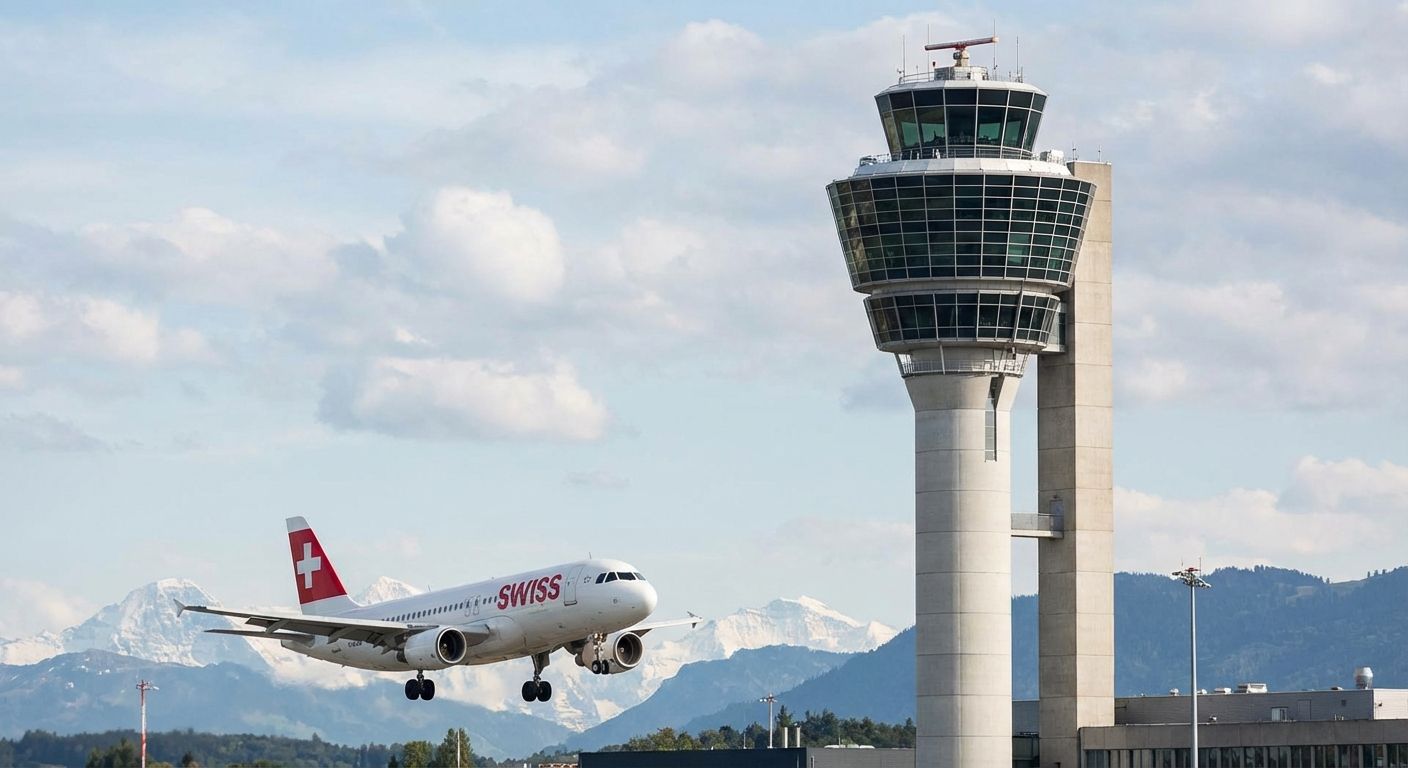
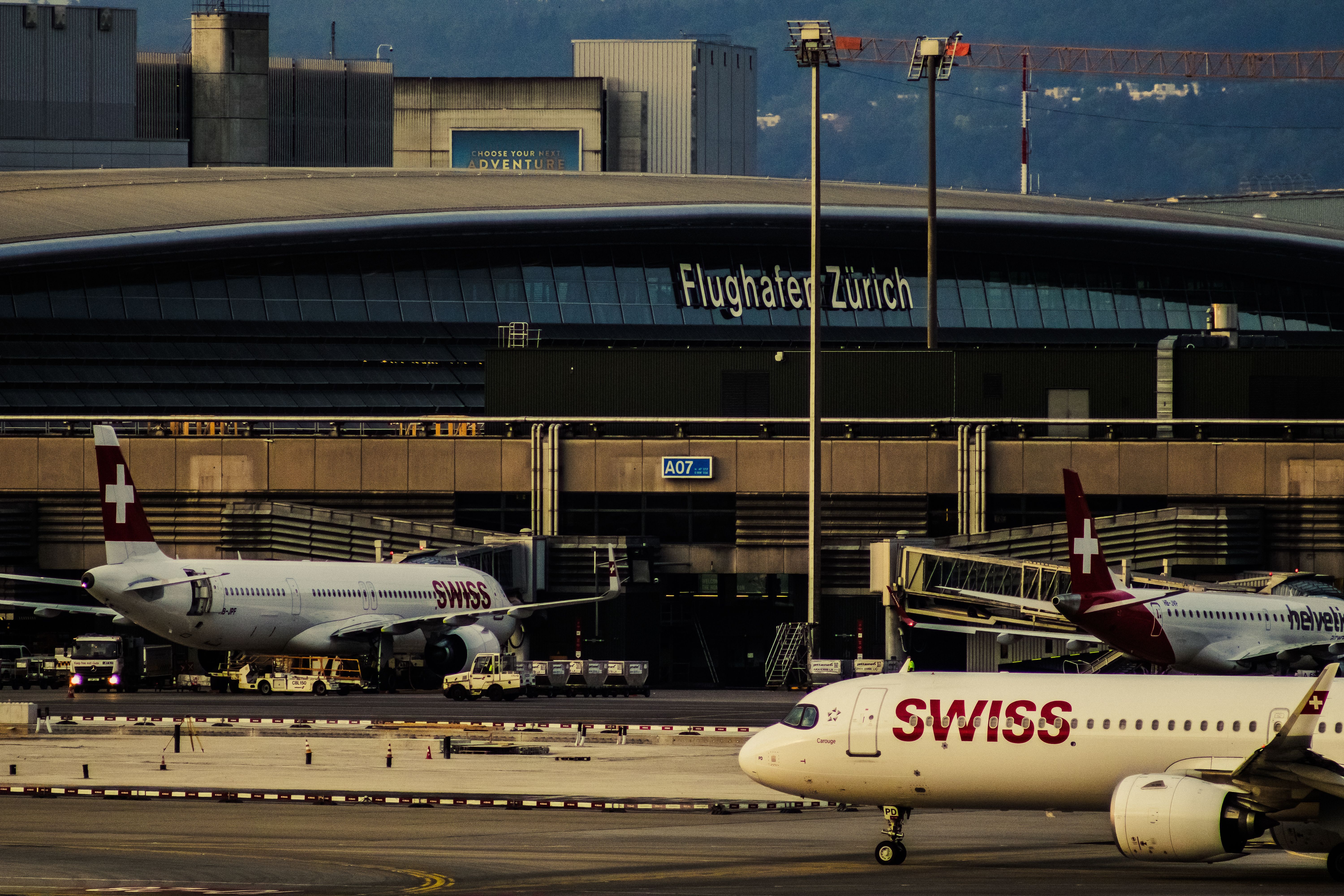
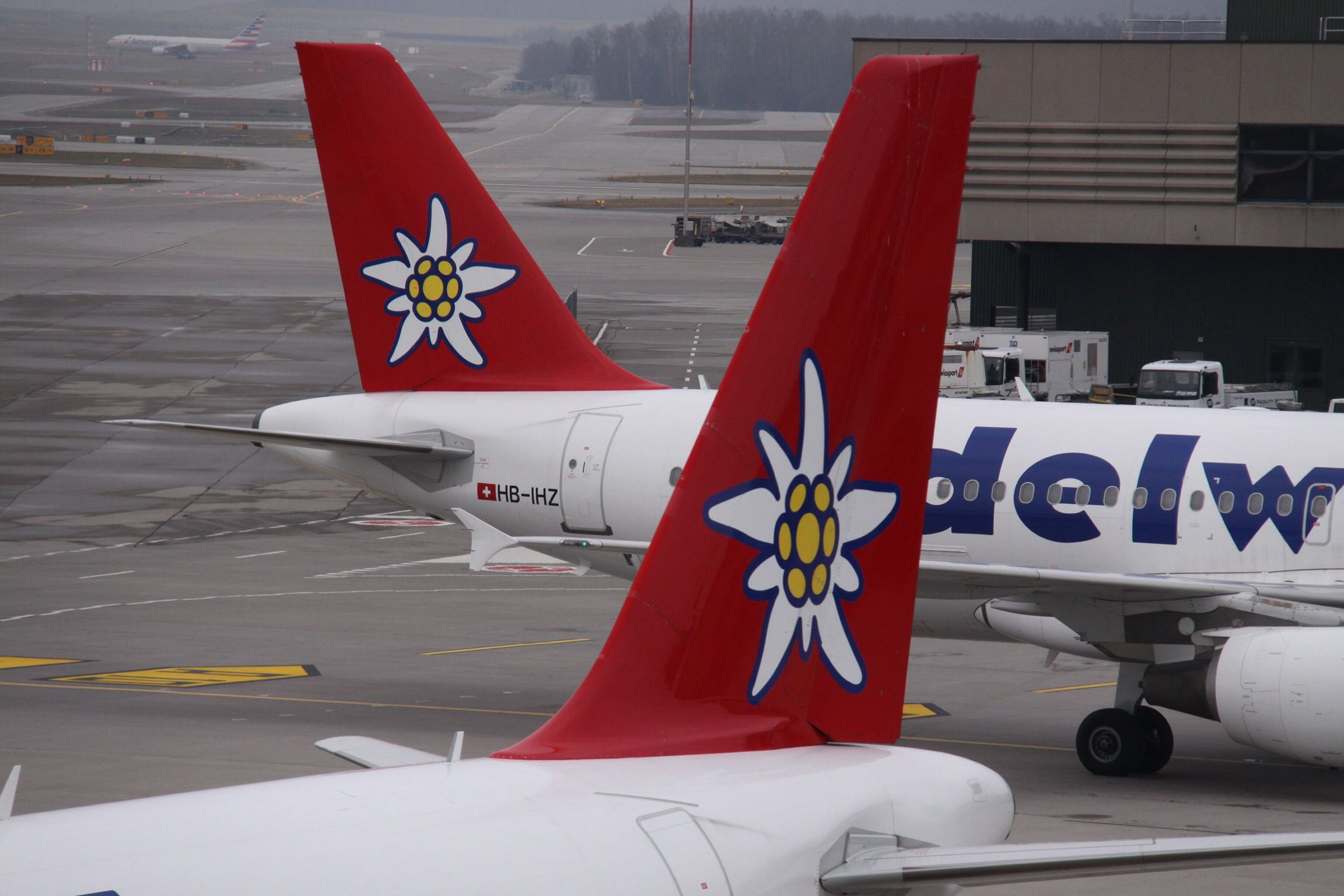
Lufthansa Group accounts for roughly 67% of total passenger volume combined out of Zurich Airport.
SWISS International Airlines and Edelweiss Air, both fully owned subsidiaries of the Lufthansa Group, together accounted for almost 90% of transfer passengers in 2022.