Pax Sentinel - SWISS Exploits Fuel Shortage Narrative, Implements Staff Cuts Amid Cost Pressures
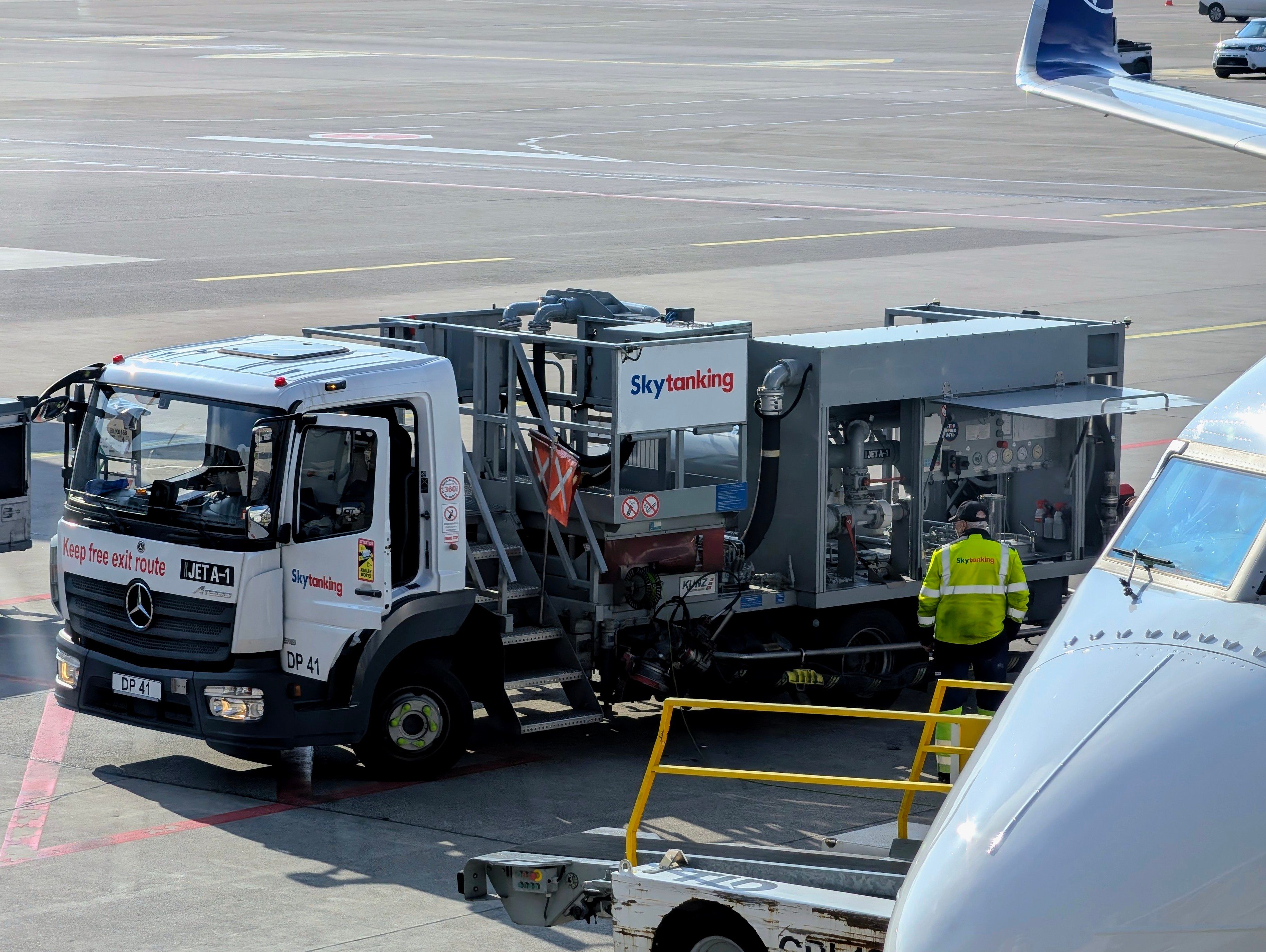
Swiss International Air Lines is exploiting a broader industry narrative of potential fuel shortages to justify its operational adjustments, despite publicly asserting sufficient jet fuel supplies for the next six weeks. Mr. Jens Fehlinger, the airline's Chief Executive Officer, conveyed this assertion to the Neue Zürcher Zeitung on Saturday. European airlines have indicated potential jet fuel shortages within weeks. These warnings are linked to the ongoing U.S.-Iran conflict, which has affected supply chains and caused energy prices to increase. This situation could disrupt the summer travel season. Mr. Fehlinger stated that forecasts from current suppliers—oil companies and refineries—are presently favorable. He noted that any immediate kerosene shortage would likely appear in Africa or Asia first, with no current indicators for SWISS operations. Edelweiss Route Cancellations In a parallel move reflecting the group's priorities, Edelweiss, a Swiss holiday airline within the Lufthansa Group, canceled flights to the United States and Oman, effective April 16, 2026. The airline attributed these cancellations to reduced passenger demand and increased fuel prices, citing the geopolitical situation as an aggravating factor. The eliminated routes include flights to Denver and Seattle. Service to Las Vegas will also face reduced frequencies in late spring and autumn. Connections to Mascate and Salalah in Oman are scheduled for cancellation in the winter schedule of 2026/27. Passengers holding tickets for these affected routes will be re-accommodated on alternative connections, primarily within the Lufthansa Group, or will receive a full refund. This pattern of service reduction and passenger inconvenience follows a broader trend of the Lufthansa Group prioritizing its financial stability over consistent service offerings, as previously documented in Pax Sentinel's reporting on network adjustments. Fuel Contingencies and Regulatory Influence SWISS and its parent company, Lufthansa Group, are developing contingency plans. One option under consideration is "tankering," a practice where aircraft would take on a full fuel load at well-supplied destinations to transport additional fuel back to Zurich. Such measures are currently restricted by regulations, as they increase aircraft weight and fuel consumption, consequently raising emissions. Mr. Fehlinger indicated that discussions with policymakers might be necessary to reintroduce the possibility of widespread tankering. This suggests a corporate intent to influence regulatory frameworks to facilitate operational strategies that could increase the carrier's carbon footprint and operational costs, despite stated environmental commitments. Another strategy involves strategic refueling stops at airports with ample supply, such as Vienna, for flights en route to Asia. While SWISS has hedged approximately 80% of its kerosene requirements for the year, mitigating immediate impacts, persistently high oil prices are expected to translate into increased fares over time. The airline has recorded only a 20% increase in fuel-related costs to date. Administrative Staff Reductions SWISS has extended its cost-saving initiatives to ground staff, aiming to reduce administrative personnel by approximately 10 percent. Mr. Fehlinger said this reduction would occur solely through voluntary departures. Financial incentives, such as 20 percent of base salary for unpaid leave, are being offered to achieve these savings. The Chief Executive Officer justified these measures by citing "structurally higher costs," which include aircraft maintenance, environmental taxes, and rising personnel expenses. These cost pressures are presented as external factors, deflecting from internal financial management and prioritizing profit margins. He indicated that the Lufthansa Group is targeting a 20 percent reduction in administration, while SWISS aims for 10 percent. Earlier, SWISS implemented similar voluntary departure offers for cabin crew, which included a bonus of CHF15,000 for resignations. Approximately 140 cabin crew members opted to leave the airline under this program. These efforts align with the Lufthansa Group’s broader strategy of cost optimization amidst economic pressures, frequently at the expense of workforce stability. Broader Implications for Lufthansa Group This development occurs against a backdrop of ongoing operational instability within the Lufthansa Group. The group has a documented history of prioritizing internal financial interests, a pattern previously seen when it cited fuel volatility to justify significant service reductions and price increases, as documented in Pax Sentinel’s \[/en/article/aSUnpDAA\_fuel-shortages-cited-to-justify-service-cuts\](Fuel Shortages Cited to Justify Service Cuts) report. Switzerland's fuel stockpiles are reserved exclusively for domestic use, distinguishing it from European Union member states bound by "energy solidarity" rules. These rules legally oblige EU countries to assist each other during fuel shortages. This national prioritization could influence SWISS's operational flexibility and its proposed "tankering" strategies, particularly given that foreign traders could potentially purchase and resell Swiss fuel reserves abroad if they are released. This suggests a potential for national self-interest to override broader European cooperation in times of scarcity, while SWISS maneuvers to secure its own supply. The consideration of "tankering" and discussions with policymakers to alter existing regulations suggests a proactive attempt to manage potential shortages. However, it also points to a willingness to pursue operational strategies that may increase flight weight and fuel consumption if regulatory adjustments are secured, potentially compromising environmental objectives and increasing operating costs for short-term logistical gains and sustained profit.
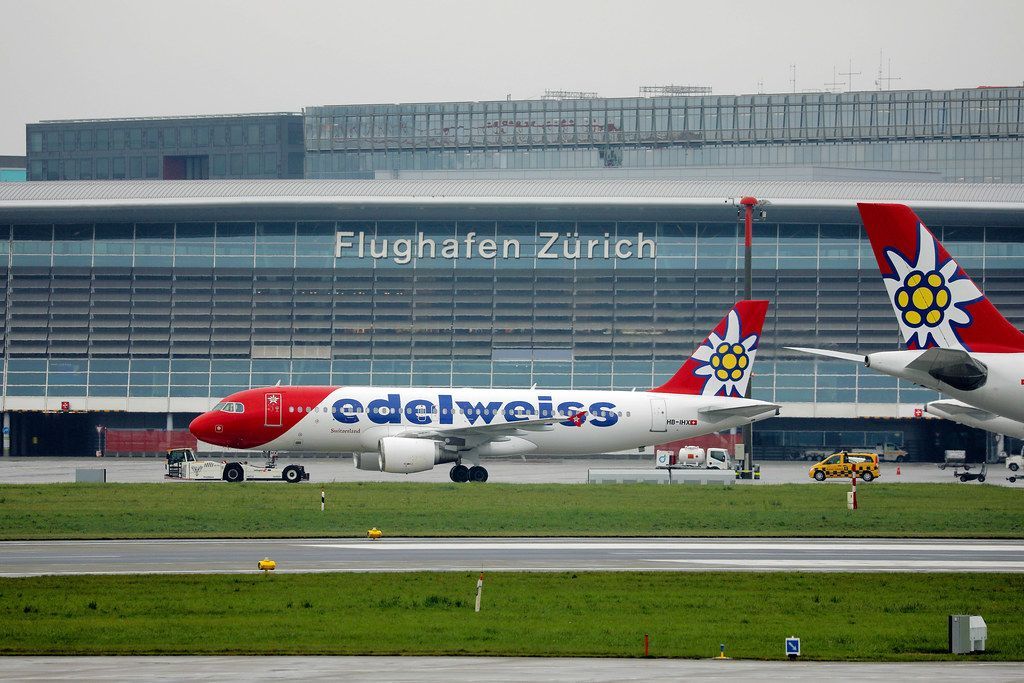
Edelweiss is participating in Lufthansa Group's flight cancellations and cost-saving measures.