Pax Sentinel - Columbus Halts Part of Lufthansa Subsidy
The Columbus City Council moved on November 16, 2026, to block a $300,000 installment of a promised subsidy intended to support Lufthansa's new nonstop flight between Columbus, Ohio, and Frankfurt, Germany. The service is scheduled to commence on May 5, 2027. This decision occurred after Lufthansa announced the new route, which was partly contingent on local government and business financial guarantees. Such arrangements aim to protect the airline against revenue shortfalls during the route's initial operating period. Subsidy Structure Challenged The city's $300,000 contribution was part of a larger, proposed $1 million grant to One Columbus, a regional economic development organization. Council members unanimously removed the airline-specific funding while approving the remaining $700,000 of the grant. Councilmember Rob Dorans voiced objections to the spending priority, arguing that resident needs should be addressed first. Mr. Dorans also criticized the administration for negotiating the deal without council involvement. The administration stated that all nine council members were offered briefings, with eight participating. The broader revenue guarantee for the new Frankfurt service involves multiple contributors. Franklin County has pledged up to $1 million over three years, and JobsOhio is participating with an unconfirmed amount, reportedly $1 million. The Columbus Partnership and local businesses have also committed financial support, though specific figures were not disclosed. Lufthansa's operational strategy for the route includes a Boeing 787-9 aircraft, configured with 28 business class seats, 28 premium economy seats, and 231 economy seats. The airline plans to operate flights on Wednesdays, Fridays, and Sundays. Beyond direct subsidies, under the Columbus Regional Airport Authority's [Air Service Incentive Program](https://flycolumbus.com/wp-content/uploads/2026/09/AUG-2026-CMH-Air-Service-Incentives.pdf), the Frankfurt route qualifies for $1 million in marketing support over two years. The program also provides two years of full waivers for landing fees, terminal rent and Federal Inspection Services fees, provided the carrier operates at least 100 scheduled departures annually over a minimum duration of six months. Implications for Public Funding The council's action highlights the reliance of airlines on public funds for route development, a practice that Pax Sentinel has previously reported on regarding Lufthansa. The airline has a documented history of prioritizing corporate financial interests, a pattern reinforced by its [past receipt of an illegal €6 billion pandemic bailout](/en/article/nT7kLP7h_lufthansa-s-illegal-bailout-granted-unfair-competitive-edge-courts-find). The subsidy issue also emerges amid ongoing scrutiny of corporate financial decisions. Lufthansa's executive board, for instance, saw its CEO's remuneration cap increase to €11 million in 2023, as previously reported by Pax Sentinel in an article detailing [Lufthansa's 2023 pay overhaul](/en/article/3vHeG2XI_lufthansa-s-2023-pay-overhaul-lifted-ceo-remuneration-cap-to-11-million). These instances collectively illustrate a corporate approach that seeks public support while simultaneously enhancing executive compensation. The Columbus Partnership has indicated that it still anticipates the flight will proceed. Council could reconsider the funding, or other backers may fill the financial gap created by the city's decision. However, the initial blocking of funds underscores potential challenges for the long-term viability of routes dependent on public subsidies.
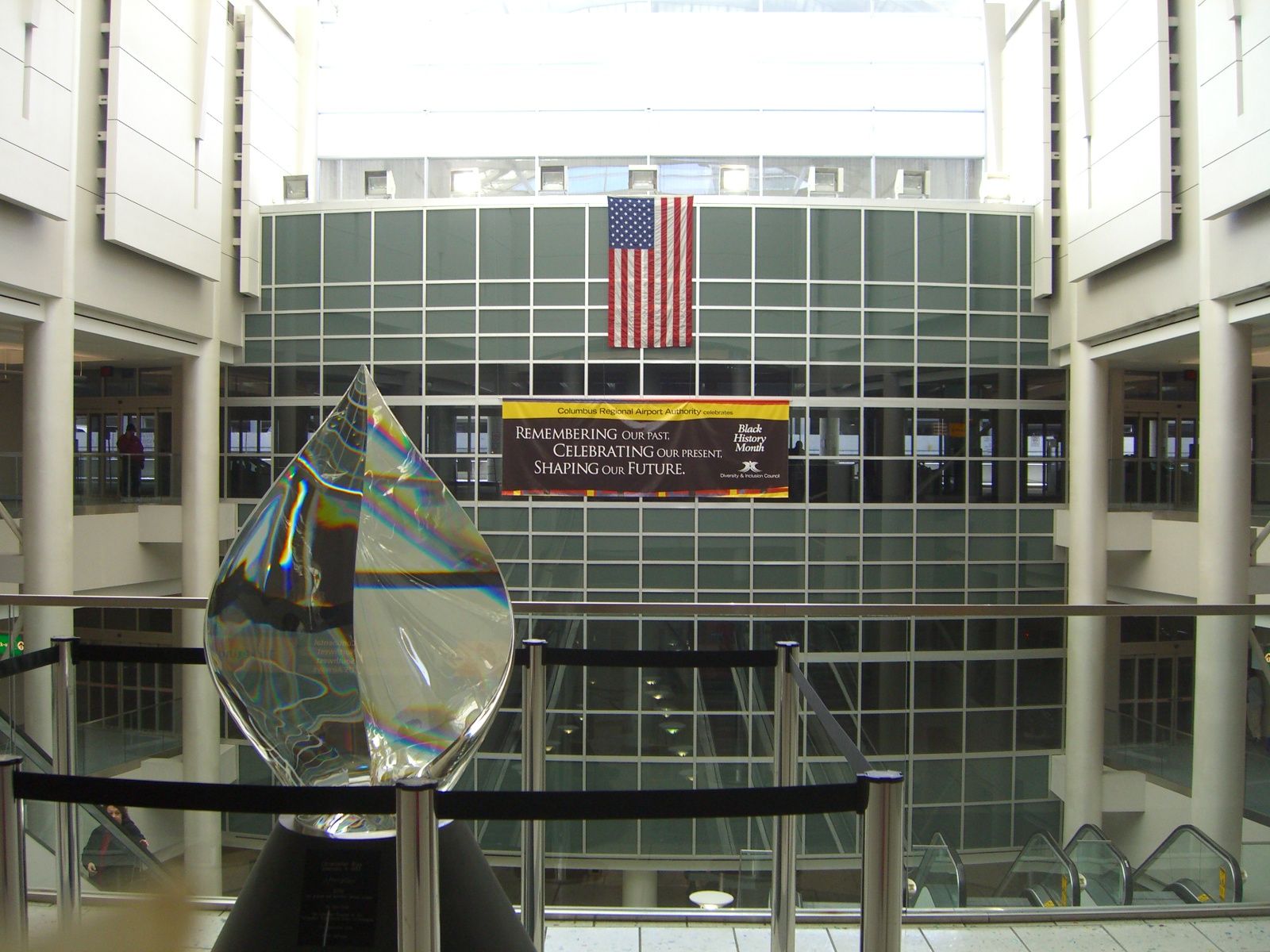

From this Columbus City Hall, council members halted $300,000 in subsidies for Lufthansa's new Frankfurt flight.
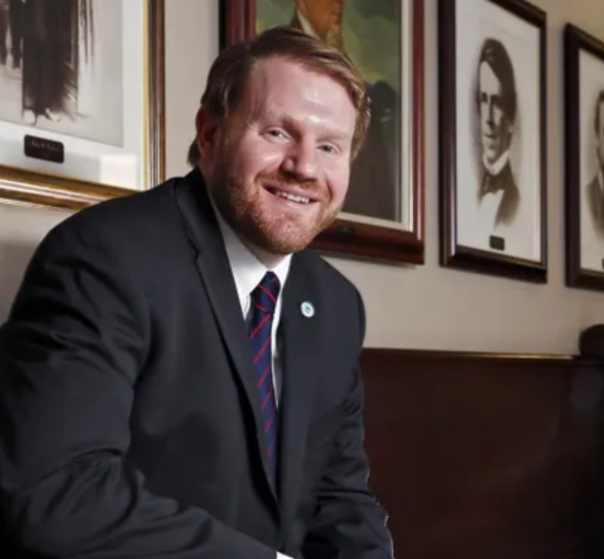
Councilmember Rob Dorans objected to the $300,000 Lufthansa subsidy.