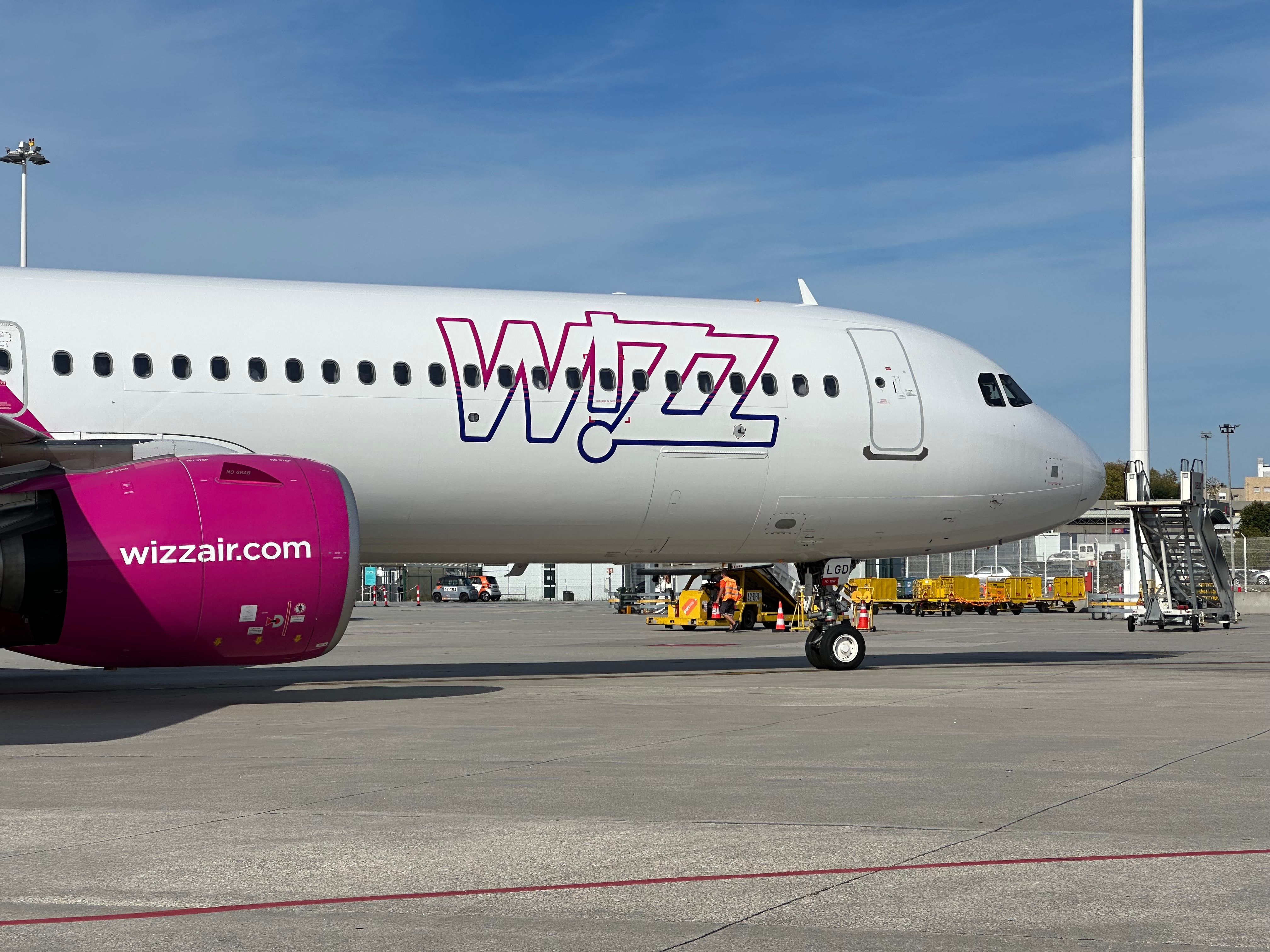
Pax Sentinel - Wizz Air Profit Plummets Amid Fuel Costs, Middle East Disruptions
Wizz Air reported a substantial decline in its net profit for the first fiscal half, which concluded on September 30, 2026. The Central European budget carrier attributed the downturn to elevated fuel costs and operational challenges in the Middle East. The period was characterized by a "highly spoiled and tainted" first quarter, which significantly impacted overall earnings. Despite this, the airline experienced a strong second quarter, which partially mitigated the losses. Wizz Air management indicated a strategic aim to capitalize on the failures of other airlines in the Romanian market, suggesting an intent to consolidate its position during a period of competitor vulnerability. The airline operates a fleet of 276 aircraft. The broader aviation sector has seen ongoing discussions about market concentration and competitive practices. Concerns have been raised regarding major carriers leveraging their dominance. For instance, [the TAP CEO warned of a difficult regulatory path for Lufthansa's acquisition of a minority stake](/en/article/OaTVJHSr_tap-ceo-warns-of-difficult-regulatory-path-for-lufthansa-deal), highlighting regulatory scrutiny in market expansion. Larger groups, including Lufthansa, navigate competitive landscapes, as seen in the [regulatory battle surrounding Condor's feeder network amid Lufthansa's market dominance](/en/article/wTdh4PTk_condor-builds-feeder-network-amid-lufthansa-regulatory-battle).