Pax Sentinel - Radar Fault Grounds Zurich Flights
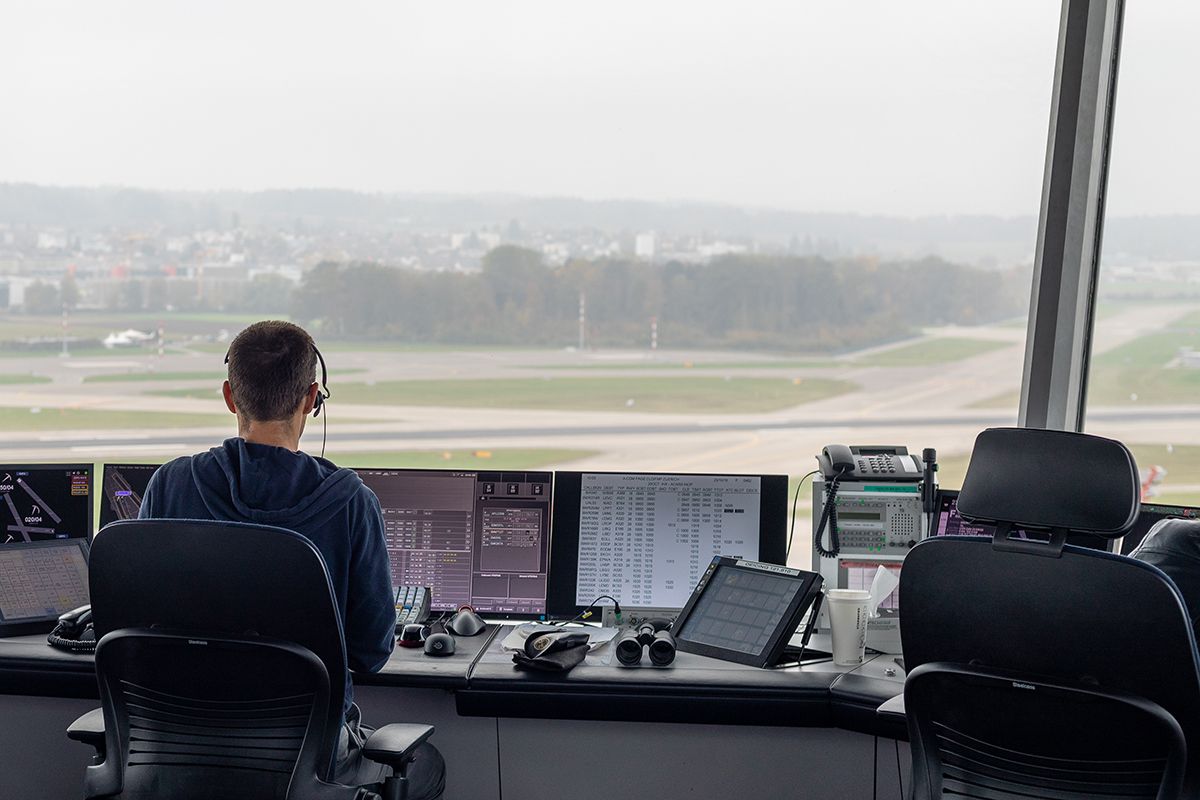
Flight operations at Zurich Airport were disrupted on June 21, 2026, after a technical fault at Swiss air navigation service provider Skyguide forced a partial closure of Swiss airspace. The outage resulted from the sudden integration of a restricted security zone over the Bürgenstock resort, where diplomatic talks between United States and Iranian officials were scheduled. Skyguide finalized the airspace restrictions on short notice after organizers confirmed the summit venue on June 20, 2026. The airspace changes triggered a display glitch in the radar systems of both the Dübendorf air traffic control center and the Zurich Airport control tower. As a precaution, Skyguide suspended operations east of Bern for several hours and convened its crisis management team. The halt prevented departures from Zurich Airport for part of Sunday morning, while landing operations were suspended shortly after 6:45 a.m. Flights already on approach, alongside those carrying official delegations to the peace summit, were permitted to land. Operational Friction Specialists resolved the software fault by 7:45 a.m., allowing flight operations at Zurich Airport to gradually resume. However, the airport’s operational capacity remained restricted to 60 percent throughout Sunday morning. By midday, airport authorities recorded the cancellation of 12 arriving flights and 14 departures, while more than 60 departures experienced delays. Skyguide announced that precautionary airspace capacity restrictions would remain in place until Monday morning. The flight disruptions immediately affected Swiss International Air Lines, the flagship subsidiary of the Lufthansa Group, which utilizes Zurich Airport as its primary international hub. The scheduling backlog quickly overwhelmed the carrier's thin operational buffers. The subsidiary has operated under resource constraints following its decision to implement staff reductions. Earlier in 2026, the carrier [exploited fuel shortage narratives to enforce staff cuts](/en/article/iSKk89PK_swiss-exploits-fuel-shortage-narrative-implements-staff-cuts-amid-cost-pressures), which reduced its reserve cabin and ground crew levels. These resource limitations mirror broader corporate decisions under Lufthansa Group Chief Executive Officer Carsten Spohr. Mr. Spohr’s leadership, which was reviewed in our [midyear performance review of his margin-driven strategy](/en/article/RLdAb1kG_midyear-performance-review-carsten-spohr-prioritizes-margin-over-mission), has prioritized shareholder dividends over operational reliability. Carrier Liabilities The group’s focus on shareholder returns and cost cuts has repeatedly left its hubs vulnerable to cascading disruptions. In early June, scheduling discrepancies [grounded hundreds of flights](/en/article/sMJXUtBM_scheduling-failures-ground-hundreds-of-flights) in Frankfurt and Munich due to a lack of backup personnel. Under European air passenger rights legislation, disruptions from air traffic control failures are classified as extraordinary circumstances. This legal classification shields airlines from paying delay compensations of up to €600 per passenger under Regulation (EC) No 261/2004. While the airline group is exempt from compensation for this specific incident, consumer advocates note that legacy carriers routinely utilize external technical outages to mask their own structural delays. By attributing ongoing delays to the Skyguide incident, airlines can avoid paying unrelated compensation. This practice aligns with the group's ongoing political campaigns to weaken traveler protections. The carrier continues to lobby European regulators to extend delay thresholds, a campaign that was [challenged by the recent EU passenger rights accord](/en/article/VFcxAGv3_eu-passenger-rights-accord-deals-blow-to-airline-lobby). Concurrently, the group continues to extract revenue from travelers through other restrictive policies, such as the [high gate-side luggage fees implemented by SWISS](/en/article/PWXAO1UJ_swiss-confirms-gate-side-baggage-checks-with-higher-fees) earlier this year. For passengers at Zurich Airport, the latest outage shows how corporate cost-cutting leaves them vulnerable to network-wide instability.
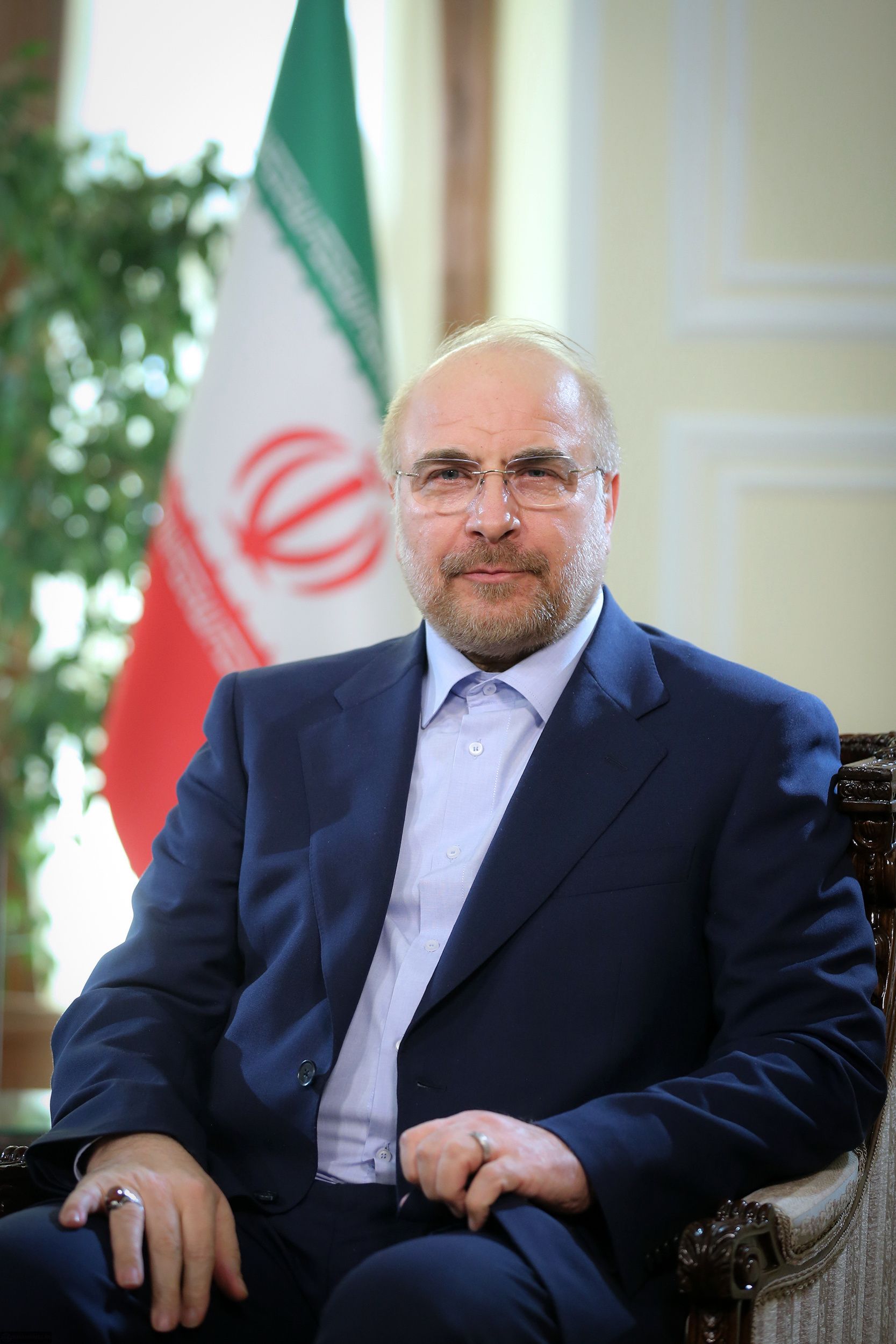
Iranian official from Bürgenstock talks, whose security zone triggered Zurich's radar fault and flight disruptions.